




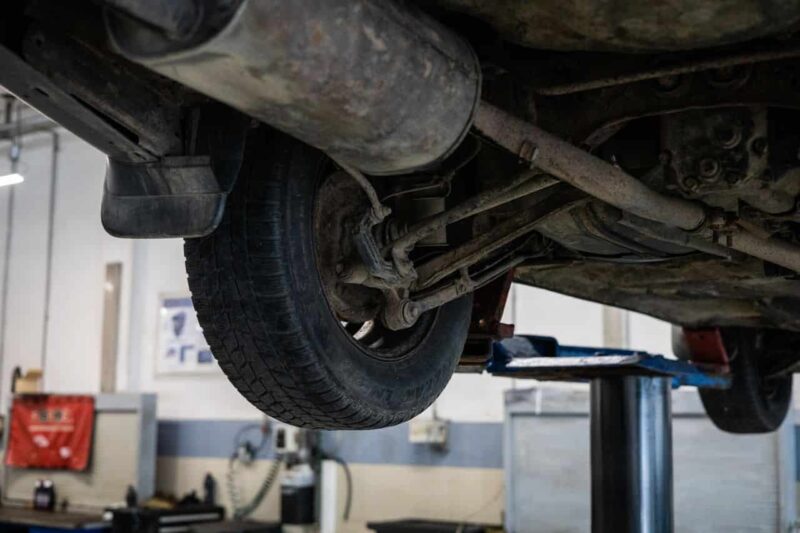
Your vehicle’s exhaust system is one of its most important components, yet it is often overlooked until problems arise. The exhaust system does much more than reduce engine noise—it helps direct harmful gases away from the engine and passenger cabin, improves engine performance, enhances fuel efficiency, and reduces harmful emissions. When any part of the system becomes damaged, prompt exhaust system repair is essential to maintain your vehicle’s safety, reliability, and performance.
Understanding how the exhaust system works and recognizing the warning signs of damage can help you avoid expensive repairs and prevent more serious mechanical issues.
What Is an Exhaust System?
An exhaust system is a network of pipes and components that carries exhaust gases away from the engine while reducing noise and controlling emissions. Modern exhaust systems are carefully engineered to maximize engine efficiency and meet environmental standards.
The main components include:
- Exhaust manifold
- Oxygen sensors
- Catalytic converter
- Resonator
- Muffler
- Exhaust pipes
- Tailpipe
- Mounting brackets and rubber hangers
Each component performs a specific function, and damage to any one of them can affect the entire system.
Common Causes of Exhaust System Damage
Exhaust systems are exposed to extreme temperatures, moisture, road debris, and constant vibration. Over time, these conditions contribute to wear and damage.
One of the most common causes is rust and corrosion. Moisture trapped inside the exhaust system, combined with road salt and humidity, gradually weakens metal components. This is especially common in regions with harsh winters.
Physical damage is another frequent issue. Driving over potholes, speed bumps, or road debris can dent or crack exhaust pipes and loosen mounting brackets.
Engine problems such as misfires or improper air-fuel mixtures can also overheat the exhaust system, placing additional stress on components like the catalytic converter.
Age is another contributing factor. Even with proper maintenance, exhaust components naturally wear out after years of use.
Also Read: How to Fix an Exhaust Leak
Signs You Need Exhaust System Repair
Recognizing the symptoms of a failing exhaust system can help prevent costly repairs.
One of the first signs is increased engine noise. A damaged muffler or leaking exhaust pipe often causes the vehicle to become significantly louder than normal.
You may also notice reduced fuel efficiency. A leaking or restricted exhaust system forces the engine to work harder, increasing fuel consumption.
Another common symptom is poor engine performance. Slow acceleration, rough idling, or reduced power may indicate an exhaust restriction or leak.
The smell of exhaust fumes inside the vehicle should never be ignored. This may indicate a dangerous leak that allows harmful gases to enter the passenger compartment.
Visible rust, hanging exhaust pipes, rattling noises, or a persistent check engine light are also signs that the exhaust system requires inspection.
Why Exhaust System Repair Is Important
Ignoring exhaust problems can lead to more than just excessive noise. A damaged exhaust system can reduce engine performance, increase emissions, and create serious safety risks.
Repairing the system promptly restores proper exhaust flow, allowing the engine to operate more efficiently. This often improves acceleration, fuel economy, and overall driving comfort.
A properly functioning exhaust system also helps reduce environmental pollution by ensuring harmful gases are processed correctly before leaving the tailpipe.
Most importantly, repairing exhaust leaks protects passengers from exposure to carbon monoxide and other hazardous gases.
Common Exhaust System Repairs
The type of repair depends on which component has failed.
Small exhaust leaks may be repaired by replacing worn gaskets or tightening loose clamps. Minor cracks in certain exhaust pipes can sometimes be repaired using specialized welding techniques.
Severely rusted pipes usually require replacement, as corrosion weakens the metal and makes permanent repairs difficult.
Damaged mufflers are often replaced entirely because internal components cannot usually be repaired.
If the catalytic converter becomes clogged or damaged, replacement is typically necessary to restore proper engine performance and emissions control.
Broken exhaust hangers are another common repair. Replacing worn rubber mounts prevents the exhaust system from sagging or vibrating excessively.
The Repair Process
Professional exhaust system repair begins with a complete inspection.
Technicians examine the entire exhaust system from the engine to the tailpipe, looking for rust, leaks, cracks, damaged brackets, and worn components.
Diagnostic equipment may also be used to identify issues involving oxygen sensors or the catalytic converter.
Once the damaged parts are identified, the technician determines whether repair or replacement is the most cost-effective solution.
After repairs are completed, the exhaust system is tested for leaks, proper alignment, and secure mounting to ensure safe operation.
How Much Does Exhaust System Repair Cost?
Repair costs vary depending on the type of damage and the vehicle.
Simple repairs such as replacing clamps or gaskets are generally inexpensive, while replacing larger components like mufflers or exhaust pipes costs more.
Catalytic converter replacement is often the most expensive repair because of the specialized materials used in its construction.
Regular inspections and early repairs can significantly reduce overall maintenance costs by preventing additional damage.
Preventing Exhaust System Problems
Routine maintenance is the best way to extend the life of your exhaust system.
Inspect the underside of your vehicle regularly for signs of rust or physical damage.
Wash the undercarriage during winter months to remove road salt that accelerates corrosion.
Repair engine problems promptly, as misfires and oil leaks can damage exhaust components.
Pay attention to unusual noises, vibrations, or warning lights, and have the vehicle inspected before small issues become major repairs.
Replacing worn rubber hangers before they fail can also prevent unnecessary strain on exhaust pipes and mufflers.
Professional Repair vs. DIY
While some simple repairs may be possible for experienced vehicle owners, most exhaust system repairs are best handled by trained professionals.
Professional technicians have the proper equipment to safely lift the vehicle, diagnose hidden problems, perform precision welding when necessary, and ensure all components are correctly aligned.
Professional installation also reduces the risk of future exhaust leaks and helps maintain compliance with local emissions regulations.
Conclusion
Exhaust system repair is an essential part of vehicle maintenance that directly affects performance, fuel efficiency, emissions, and passenger safety. Whether the problem involves a small exhaust leak, a damaged muffler, rusted pipes, or a failing catalytic converter, addressing the issue quickly can prevent more expensive repairs and extend the life of your vehicle.
Routine inspections, regular maintenance, and prompt professional repairs ensure your exhaust system continues to operate efficiently. By taking care of your exhaust system, you can enjoy a quieter ride, improved engine performance, lower emissions, and greater confidence every time you drive.
