




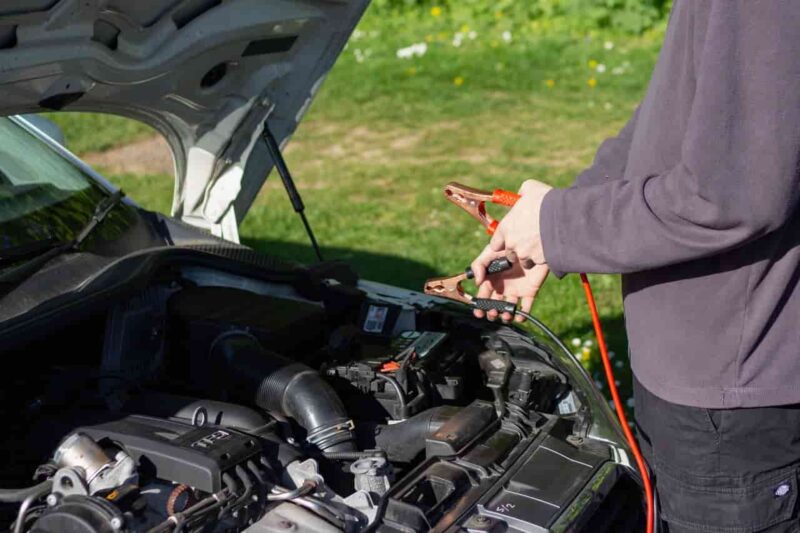
The starter motor plays a critical role in getting your Ford F-150 engine running. When you turn the ignition key or press the start button, the starter uses electrical power from the battery to turn the engine until it can run on its own. If the starter fails, your truck may not start even when the battery is fully charged.
Understanding the symptoms of starter failure, replacement costs, and the basic replacement process can help you identify the problem and determine the best solution.
Common Signs of a Bad F-150 Starter
A failing starter can produce several noticeable symptoms. Recognizing these signs early may help prevent an unexpected no-start situation.
Clicking When You Try to Start
One of the most common starter problems is a clicking sound when you turn the key or press the start button. A single click can indicate a problem with the starter solenoid or starter motor. However, rapid clicking can also be caused by a weak battery or poor battery connections.
Engine Does Not Crank
If the dashboard lights and accessories work normally but the engine does not turn over when you attempt to start the truck, the starter or its electrical circuit may be faulty.
Intermittent Starting Problems
A starter can begin failing intermittently. Your F-150 may start normally one day but fail to crank the next. This can happen when internal starter components become worn.
Grinding or Whining Noises
Grinding during startup can indicate a problem involving the starter gear and engine’s flywheel or flexplate. Continuing to operate the truck with this symptom could result in additional damage.
Smoke or Burning Smell
A starter that is overheating or drawing excessive electrical current may produce a burning smell or even smoke. If this occurs, stop attempting to start the truck and have the electrical system inspected.
Check the Battery Before Replacing the Starter
A dead or weak battery can create symptoms that look like starter failure. Before purchasing a replacement starter, check the battery condition and battery terminals.
Inspect the positive and negative connections for corrosion, looseness, or damage. A poor connection can prevent sufficient current from reaching the starter.
If the battery is healthy and the connections are secure but the engine still will not crank, further testing of the starter circuit is appropriate. A technician can check the starter relay, wiring, solenoid operation, and voltage at the starter.
Also Read: Ford F150 Financing with bad Credit
F-150 Starter Replacement Cost
The cost of an F-150 starter replacement depends on the truck’s model year, engine, starter type, parts quality, and labor rates.
Aftermarket starters are often less expensive than original-equipment or premium replacement units. Labor costs also vary because the location and accessibility of the starter differ between F-150 configurations.
When requesting a repair estimate, ask whether the quoted price includes the starter, labor, diagnostic testing, taxes, and any additional hardware. Comparing complete estimates is more useful than comparing the price of the starter alone.
If your truck has a starter that is difficult to access, labor can represent a significant portion of the total repair cost.
How to Replace an F-150 Starter
The exact replacement procedure varies depending on the F-150’s model year and engine. Always consult the appropriate service information for your specific truck.
Start by parking the F-150 on a level surface, engaging the parking brake, and turning off the ignition. Allow the engine and exhaust components to cool before beginning work.
Disconnect the negative battery cable. This is an important safety step because the starter receives high electrical current directly from the battery.
Locate the starter underneath the vehicle and identify its electrical connections. Depending on the configuration, you may need to remove protective panels or other components to gain access.
Disconnect the starter’s electrical wiring and carefully remove the mounting bolts. Support the starter as you remove the final fastener because the component can be heavier than it appears.
Compare the replacement starter with the original unit. Make sure the mounting points, electrical connections, and starter configuration match before installation.
Position the replacement starter and install the mounting hardware. Tighten the fasteners according to the manufacturer’s specifications. Reconnect the electrical connections and ensure that they are secure.
Finally, reconnect the negative battery cable. Start the truck and listen carefully for abnormal clicking, grinding, or unusual noises. The engine should crank smoothly and start normally.
Should You Replace the Starter Relay?
Not every no-start condition requires a new starter. The starter relay, ignition circuit, wiring, battery, or neutral safety system can also prevent the starter from operating.
If the starter itself tests correctly, replacing it may not solve the problem. Proper diagnosis before replacement can save money and prevent unnecessary repairs.
DIY or Professional Starter Replacement?
F-150 starter replacement can be a reasonable DIY project for someone with suitable mechanical experience and the correct tools. However, access to the starter can vary considerably between engines and model years.
Working underneath a vehicle also requires proper support equipment and safe procedures. Never rely solely on a jack while working underneath a truck.
If you are uncomfortable diagnosing electrical systems or working underneath your F-150, professional service is the safer choice. A qualified technician can determine whether the starter, battery, wiring, relay, or another component is responsible for the no-start condition.
How to Prevent Starter Problems
Starters are wear components, but several practices can help reduce unnecessary strain. Keep the battery properly charged, maintain clean and tight battery connections, and address charging-system problems promptly.
If you notice slow cranking, intermittent starting, or unusual noises, have the starting system inspected rather than waiting for complete failure.
Final Thoughts
F-150 starter replacement may become necessary when the truck develops repeated no-start problems, clicking noises, or grinding during startup. However, a faulty battery, electrical connection, relay, or wiring problem can produce similar symptoms.
Before replacing the starter, confirm the diagnosis and select a replacement designed specifically for your F-150’s model year and engine. Proper installation and testing can restore reliable starting performance and help prevent another inconvenient breakdown.
