




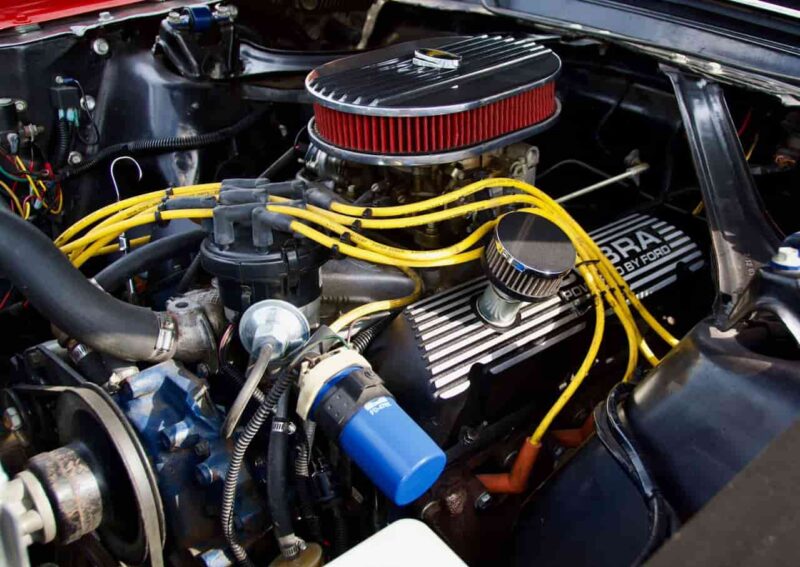
Spark plugs are small but essential components in gasoline-powered engines. They create the electrical spark that ignites the air-fuel mixture inside each cylinder, allowing the engine to produce power. Like other engine components, spark plugs wear out over time and can eventually affect vehicle performance.
Knowing the symptoms of bad car spark plugs can help you identify problems early and prevent more expensive repairs. While spark plug issues are relatively common, similar symptoms can also be caused by ignition coils, fuel injectors, sensors, or other engine components. Therefore, proper diagnosis is important before replacing parts.
1. Engine Misfires
One of the most common symptoms of bad spark plugs is an engine misfire. A misfire occurs when the air-fuel mixture in one or more cylinders fails to ignite properly.
You may notice the engine shaking, hesitating, or losing power, particularly when accelerating. In some cases, a misfire may be intermittent and become more noticeable when the engine is under heavy load.
Worn, fouled, or damaged spark plugs can produce a weak or inconsistent spark, making proper combustion difficult.
2. Difficulty Starting the Car
If your vehicle takes longer than normal to start, faulty spark plugs could be one possible cause. A worn spark plug may not produce a strong enough spark to ignite the air-fuel mixture consistently.
You might notice that the engine cranks several times before starting or that it struggles to start when the engine is cold.
However, starting problems can also result from a weak battery, starter motor, fuel delivery problem, or other ignition issues. A complete diagnosis can help identify the actual cause.
3. Rough Idling
A properly functioning engine should idle smoothly and consistently. If your vehicle vibrates, shakes, or feels unusually rough while stopped, worn spark plugs could be contributing to the problem.
A rough idle occurs when combustion isn’t consistent across the engine’s cylinders. Bad spark plugs can cause uneven combustion and make the engine feel unstable.
If rough idling continues after replacing the spark plugs, other components such as ignition coils, vacuum hoses, or fuel injectors may need inspection.
Also Read: How to repalce a crankshaft
4. Poor Fuel Economy
Another potential symptom of bad spark plugs is reduced fuel efficiency. When a spark plug doesn’t ignite the air-fuel mixture properly, the engine may not burn fuel efficiently.
As a result, you may find yourself visiting the fuel station more often than usual. A sudden decrease in fuel economy can have many causes, including underinflated tires, clogged filters, driving conditions, fuel system problems, and engine faults.
Nevertheless, worn spark plugs should be considered if they are overdue for replacement.
5. Slow or Hesitant Acceleration
Does your car feel less responsive when you press the accelerator? Weak spark plugs can contribute to hesitation and reduced engine power.
You may notice a delay when accelerating from a stop or when trying to overtake another vehicle. The engine may also feel like it is struggling when climbing hills or carrying a heavy load.
Because acceleration problems can have multiple causes, spark plugs should be inspected along with the ignition and fuel systems.
6. Increased Engine Vibrations
Excessive engine vibration can sometimes indicate that one or more cylinders aren’t firing correctly. Bad spark plugs may cause inconsistent combustion, which can make the engine vibrate more than normal.
You may feel these vibrations through the steering wheel, floor, or seats, particularly when the vehicle is idling.
Persistent or severe vibration should be investigated promptly because it may indicate a more serious engine or drivetrain problem.
7. Check Engine Light
A check engine light can appear when the vehicle’s computer detects an engine misfire or another performance problem. Faulty spark plugs are one possible cause of misfire-related diagnostic trouble codes.
If the check engine light is flashing, the problem should be addressed quickly. A severe misfire can potentially damage the catalytic converter.
A diagnostic scan can help identify whether the engine computer has detected a misfire and which cylinder may be affected.
8. Unusual Engine Noises
Bad spark plugs can sometimes contribute to unusual engine sounds caused by misfires or uneven combustion. You may hear popping, coughing, or irregular engine sounds during acceleration or idling.
These noises shouldn’t automatically be blamed on spark plugs, however. Engine noises can originate from numerous components, so professional inspection may be necessary.
9. Visible Spark Plug Damage
If you remove the spark plugs for inspection, their condition can provide useful clues. Excessive carbon deposits, worn electrodes, damaged insulators, or oil contamination can indicate that the plugs are no longer functioning correctly.
The appearance of a spark plug can also reveal underlying engine problems. For example, oil or excessive deposits may indicate an issue that should be investigated rather than simply installing new plugs.
Can Bad Spark Plugs Damage Your Car?
Driving with severely worn spark plugs for an extended period can contribute to poor combustion, increased emissions, reduced performance, and continued engine misfires.
Persistent misfires can potentially damage expensive emissions components such as the catalytic converter. Replacing spark plugs according to the vehicle manufacturer’s recommended maintenance schedule can help maintain efficient engine operation.
When Should You Replace Spark Plugs?
Spark plug replacement intervals vary depending on the vehicle and the type of spark plugs used. Some conventional spark plugs may require replacement after around 20,000 to 30,000 miles, while platinum and iridium plugs can often last significantly longer.
Always check your owner’s manual for the recommended replacement interval for your specific vehicle.
Final Thoughts
The most common symptoms of bad car spark plugs include engine misfires, difficult starting, rough idling, poor fuel economy, slow acceleration, increased vibrations, unusual engine behavior, and a check engine light.
Because many of these symptoms can also be caused by other mechanical or electrical problems, don’t assume that replacing the spark plugs will automatically solve the issue. If your vehicle is experiencing persistent performance problems, have the ignition, fuel, and engine systems properly diagnosed.
Replacing worn spark plugs at the correct interval is an important part of routine vehicle maintenance and can help keep your engine running smoothly and efficiently.
