




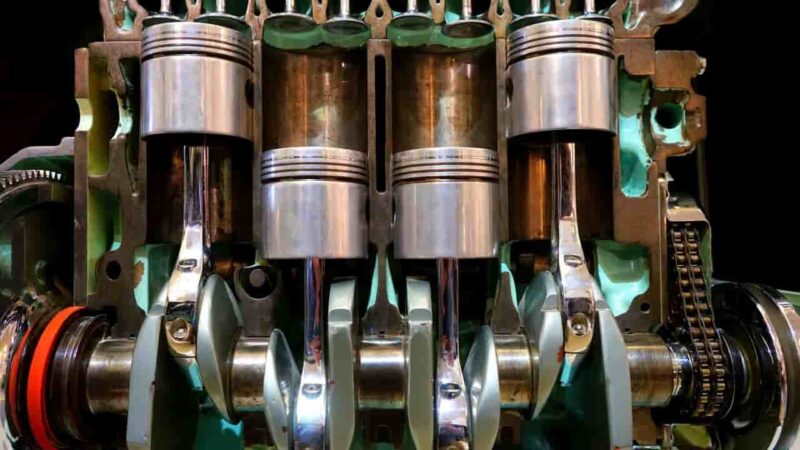
The crankshaft is one of the most critical components of your vehicle’s engine. It converts the pistons’ up-and-down movement into rotational force, allowing your car to move. Because it operates under extreme pressure and high temperatures, damage to the crankshaft can lead to costly engine repairs if left unaddressed.
If you’ve been told your vehicle needs crankshaft repairs, you’re probably wondering how much it will cost. The answer depends on several factors, including the extent of the damage, your vehicle’s make and model, labor rates, and whether the crankshaft can be repaired or must be replaced.
In this guide, we’ll break down the average crankshaft repair cost, explain what influences pricing, and provide practical tips to help reduce repair expenses.
Average Crankshaft Repair Cost
The cost of repairing a crankshaft varies depending on the type of repair required. Minor repairs, such as polishing or machining, are generally less expensive than replacing the entire crankshaft or rebuilding the engine.
Here is a general estimate of common crankshaft-related repair costs:
| Repair Type | Estimated Cost |
| Crankshaft inspection | $100–$250 |
| Crankshaft polishing | $150–$400 |
| Crankshaft grinding | $250–$600 |
| Main bearing replacement | $300–$1,000 |
| Crankshaft seal replacement | $200–$700 |
| Crankshaft position sensor replacement | $150–$450 |
| Crankshaft replacement | $1,500–$4,000+ |
| Engine rebuild with crankshaft repair | $2,500–$6,500+ |
These estimates include both parts and labor. Costs may vary based on your location and the specific vehicle.
Factors That Affect Crankshaft Repair Cost
Several factors influence the total cost of repairing a crankshaft.
Vehicle Make and Model
Luxury, high-performance, and imported vehicles typically have higher repair costs due to expensive replacement parts and increased labor requirements.
Compact cars and common sedans generally cost less to repair than trucks or sports cars.
Extent of the Damage
Minor surface wear may only require polishing or grinding, while cracked or severely bent crankshafts often need complete replacement.
If the engine block or connecting rods are also damaged, repair costs can increase significantly.
Labor Costs
Replacing or repairing a crankshaft is labor-intensive because it often requires complete engine disassembly.
Most repair shops charge between $80 and $180 per hour, depending on location and expertise. Since the job can take 10 to 20 hours or more, labor accounts for a large portion of the total cost.
Also Read: Steering Wheel Alignment – Guide
Parts Quality
You can choose from:
- Original Equipment Manufacturer (OEM) parts
- Aftermarket replacement parts
- Remanufactured crankshafts
OEM parts generally offer the best fit and reliability but are usually the most expensive.
Can a Crankshaft Be Repaired?
Yes, a crankshaft can often be repaired if the damage is not severe.
Common repair methods include:
- Polishing worn journals
- Grinding damaged surfaces
- Straightening slightly bent crankshafts
- Replacing worn bearings
- Repairing or replacing oil seals
However, if the crankshaft is cracked or heavily damaged, replacement is usually the safer and more reliable option.
When Does a Crankshaft Need Replacement?
A crankshaft may need replacement if it has:
- Deep cracks
- Severe journal damage
- Excessive wear
- Major bending
- Heat damage
- Broken counterweights
In many cases, replacing the crankshaft is more cost-effective than attempting extensive repairs.
Signs Your Crankshaft Needs Attention
Recognizing early warning signs can help reduce repair costs.
Common symptoms include:
- Engine knocking noises
- Excessive engine vibration
- Low oil pressure
- Difficulty starting
- Engine misfires
- Metal shavings in engine oil
- Oil leaks around the crankshaft seals
- Check Engine Light
Ignoring these symptoms can lead to catastrophic engine failure.
Crankshaft Repair vs. Replacement
Many vehicle owners wonder whether repairing or replacing a crankshaft is the better option.
Repair is often the best choice when:
- Damage is minor.
- The journals can be machined.
- Bearings are the primary issue.
- The crankshaft remains structurally sound.
Replacement is recommended when:
- The crankshaft is cracked.
- The shaft is severely bent.
- Repair costs approach replacement costs.
- Long-term reliability is the priority.
A qualified mechanic can inspect the crankshaft and recommend the most practical solution.
Is It Worth Repairing a Crankshaft?
Whether crankshaft repair is worthwhile depends on the age and value of your vehicle.
Repairing the crankshaft may be a good investment if:
- The vehicle is in otherwise good condition.
- The engine has relatively low mileage.
- Repair costs are significantly lower than buying another vehicle.
However, if the engine has extensive internal damage, replacing the engine or purchasing another vehicle may be the more economical choice.
How to Reduce Crankshaft Repair Costs
Although crankshaft repairs can be expensive, there are several ways to lower the overall cost.
Consider these money-saving tips:
- Compare estimates from multiple repair shops.
- Ask whether machining is possible before replacing the crankshaft.
- Use high-quality remanufactured parts when appropriate.
- Replace bearings during crankshaft service to avoid future repairs.
- Perform regular oil changes to prevent premature wear.
- Fix oil leaks as soon as they appear.
Preventive maintenance is almost always less expensive than major engine repairs.
Can You Drive with a Damaged Crankshaft?
Driving with a damaged crankshaft is not recommended.
Even if the vehicle appears to run normally, continued operation can lead to:
- Complete engine failure
- Broken connecting rods
- Damaged pistons
- Destroyed bearings
- Expensive engine rebuilds
If you notice unusual engine noises, severe vibration, or low oil pressure, stop driving and have the vehicle inspected immediately.
How to Prevent Crankshaft Damage
Proper maintenance can significantly extend the life of your crankshaft.
Follow these preventive measures:
- Change engine oil at the recommended intervals.
- Use the correct oil grade for your vehicle.
- Replace the oil filter regularly.
- Monitor engine oil levels.
- Avoid overheating the engine.
- Repair oil leaks promptly.
- Address unusual engine noises immediately.
- Schedule routine engine inspections.
These simple maintenance practices can help prevent costly crankshaft repairs.
Conclusion
Crankshaft repair costs can range from a few hundred dollars for minor machining to several thousand dollars for a complete replacement or engine rebuild. The final cost depends on the extent of the damage, labor rates, vehicle type, and the quality of replacement parts used.
Identifying problems early can make a significant difference in repair costs. Symptoms such as engine knocking, low oil pressure, excessive vibration, or metal particles in the engine oil should never be ignored. Routine maintenance, including regular oil changes and timely inspections, is the best way to protect your crankshaft and avoid expensive engine repairs. When repairs are needed, consulting a qualified mechanic will help ensure the most reliable and cost-effective solution for your vehicle.
