




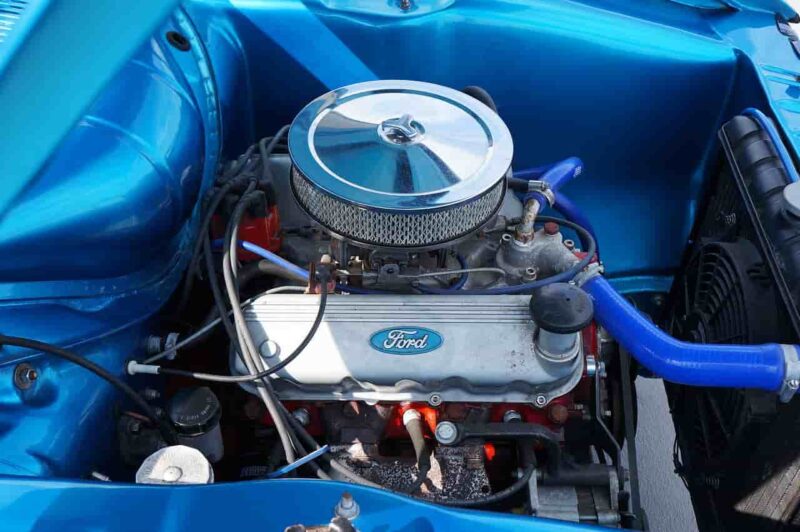
Spark plugs are one of the most important components in a gasoline-powered car. They create the spark needed to ignite the air-fuel mixture inside the engine cylinders, allowing the engine to produce power. Like other maintenance components, spark plugs eventually wear out and need to be replaced.
So, how long do car spark plugs last? The answer depends on the type of spark plug, your vehicle, driving conditions, and the manufacturer’s recommended maintenance schedule. Some spark plugs may last around 20,000 miles, while premium iridium or platinum plugs can often last 60,000 to 100,000 miles or more.
Understanding spark plug lifespan can help you maintain engine performance and avoid unexpected problems.
How Many Miles Do Car Spark Plugs Last?
The lifespan of spark plugs varies significantly depending on their construction and the vehicle in which they are installed.
Traditional copper or nickel-alloy spark plugs generally have a shorter service life and may need replacement every 20,000 to 30,000 miles. Platinum spark plugs can often last approximately 40,000 to 60,000 miles, while iridium spark plugs may last 60,000 to 100,000 miles or more.
These figures are general estimates rather than universal rules. Some vehicles require spark plug replacement at different intervals, even when they use similar types of plugs.
The best way to determine when your spark plugs should be replaced is to check your vehicle owner’s manual and follow the manufacturer’s maintenance recommendations.
Also Read: Steering Pump Replacement – Guide
What Affects Spark Plug Lifespan?
Several factors can affect how long spark plugs last. Understanding these factors can help explain why some plugs wear out earlier than expected.
Type of Spark Plug
The material used for the spark plug’s center electrode has a major effect on its lifespan. Copper spark plugs are generally affordable but wear faster. Platinum and iridium plugs use harder materials that resist electrode erosion and typically provide a longer service life.
However, you should always use the spark plug type specified by your vehicle manufacturer rather than choosing a plug solely because it has a longer expected lifespan.
Driving Habits
Your driving style can also affect spark plug wear. Frequent short trips, stop-and-go traffic, aggressive acceleration, and extended periods of idling can put additional stress on the engine and ignition system.
Vehicles that regularly operate under heavy loads or tow trailers may also experience different maintenance requirements.
Engine Condition
The overall condition of your engine can influence spark plug life. Problems such as excessive oil consumption, incorrect fuel mixture, worn engine components, or faulty fuel injectors can cause spark plugs to become fouled or contaminated.
If new spark plugs become dirty or damaged unusually quickly, simply replacing them may not solve the underlying problem. The engine should be inspected to determine why the plugs are wearing prematurely.
Maintenance and Service
Regular vehicle maintenance can help spark plugs reach their expected service life. Keeping the engine properly tuned, replacing filters when necessary, and addressing warning lights promptly can help prevent conditions that contribute to spark plug problems.
Signs Your Spark Plugs Need Replacing
Spark plugs don’t always fail suddenly. They often become less effective gradually, producing noticeable changes in engine performance.
Common signs of worn or failing spark plugs include:
- Difficulty starting the engine
- Rough or unstable idling
- Engine misfires
- Poor fuel economy
- Sluggish acceleration
- Reduced engine power
- Increased engine vibration
- A check engine light
- Hesitation during acceleration
If you experience one or more of these symptoms, the spark plugs could be responsible. However, similar symptoms can also be caused by ignition coils, fuel injectors, sensors, air filters, or other engine components.
A proper diagnosis can help identify the actual cause.
Can Spark Plugs Last Too Long?
Even if your vehicle continues to run, that doesn’t necessarily mean the spark plugs are in good condition. As spark plugs wear, the electrode gap can increase and the ignition system may have to work harder to produce the required spark.
Overdue spark plugs can contribute to misfires, reduced fuel efficiency, and poor engine performance. In severe cases, persistent misfires may potentially damage the catalytic converter.
For this reason, it’s generally better to replace spark plugs according to the manufacturer’s recommended service interval rather than waiting for obvious symptoms to appear.
How Often Should You Check Spark Plugs?
The need for inspection depends on your vehicle and its maintenance schedule. Some modern spark plugs are designed to last for many years and may not require frequent inspection between scheduled replacements.
During routine maintenance, a mechanic can inspect the plugs and assess their condition if necessary. If you’re experiencing engine performance problems, spark plugs may also be inspected as part of a diagnostic process.
Always follow the recommendations provided for your specific engine rather than relying on a general mileage figure.
Do All Spark Plugs Need to Be Replaced Together?
In most cases, it’s recommended to replace the complete set of spark plugs at the same time, particularly when they have reached their scheduled service interval.
Replacing all the plugs helps maintain consistent ignition performance across the engine’s cylinders. If one plug is significantly more worn than the others, it may also indicate an underlying engine or ignition problem that should be investigated.
Final Thoughts
So, how long do car spark plugs last? Depending on the type and vehicle, spark plugs can last anywhere from approximately 20,000 miles to 100,000 miles or more. Copper plugs generally have shorter service lives, while platinum and iridium plugs typically last longer.
However, mileage isn’t the only factor to consider. Driving habits, engine condition, maintenance, and the specific manufacturer’s recommendations all affect spark plug lifespan.
Watch for symptoms such as hard starting, rough idling, misfires, poor fuel economy, hesitation, and reduced acceleration. Most importantly, check your owner’s manual for the correct replacement interval and spark plug specifications.
Replacing spark plugs on schedule is a relatively simple maintenance task that can help support reliable starting, smooth engine operation, efficient fuel consumption, and long-term vehicle performance.
