




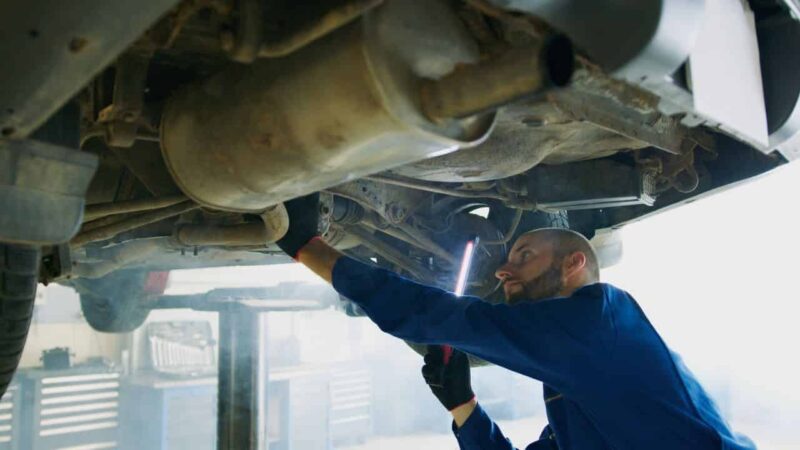
An exhaust leak is a common vehicle problem that should never be ignored. Your car’s exhaust system is responsible for directing harmful gases away from the engine and passenger cabin while reducing emissions and controlling noise. When a leak develops, it can affect engine performance, reduce fuel efficiency, increase emissions, and even pose a safety risk.
Understanding how to fix an exhaust leak can help you identify the problem early and determine whether it can be repaired or requires professional attention. In this guide, we’ll explain the causes, symptoms, repair methods, and preventive maintenance tips to keep your exhaust system in excellent condition.
What Is an Exhaust Leak?
An exhaust leak occurs when exhaust gases escape through cracks, holes, damaged joints, or worn components before reaching the tailpipe. These leaks can develop anywhere along the exhaust system, including the exhaust manifold, catalytic converter connections, exhaust pipes, resonator, muffler, or gaskets.
Because the exhaust system operates under high temperatures and constant vibration, its components naturally wear over time, making leaks more likely as a vehicle ages.
Common Causes of Exhaust Leaks
Several factors can lead to an exhaust leak. Identifying the underlying cause is the first step toward a lasting repair.
Rust and Corrosion
Moisture, road salt, and changing weather conditions can cause metal exhaust components to rust. Over time, corrosion weakens the pipes and muffler, creating holes that allow exhaust gases to escape.
Physical Damage
Driving over speed bumps, potholes, rocks, or road debris can dent or crack exhaust pipes, leading to leaks.
Worn Gaskets
Exhaust manifold and flange gaskets seal connections between components. As these gaskets age, they may crack or deteriorate, allowing gases to escape.
Loose Clamps or Connections
Exhaust pipes are connected with clamps and mounting hardware that may loosen due to vibration and regular driving.
Cracked Exhaust Manifold
The exhaust manifold experiences extreme heat during engine operation. Repeated heating and cooling cycles can eventually cause cracks.
Signs of an Exhaust Leak
Recognizing the symptoms of an exhaust leak can help prevent more expensive repairs.
Common warning signs include:
- Loud engine or exhaust noise
- Hissing or tapping sounds during acceleration
- Strong exhaust smell inside or outside the vehicle
- Reduced fuel economy
- Decreased engine performance
- Vibrations under the vehicle
- Check engine light illumination
- Failed emissions inspection
If you notice any of these symptoms, inspect the exhaust system as soon as possible.
Also Read: Premium Alloy Wheels For SUV’s
How to Find an Exhaust Leak
Locating the leak is essential before beginning repairs.
Visual Inspection
With the engine off and completely cooled, inspect the exhaust system from the manifold to the tailpipe.
Look for:
- Rust holes
- Cracks
- Broken welds
- Loose clamps
- Black soot around joints
- Hanging exhaust components
Black carbon deposits often indicate escaping exhaust gases.
Listen for Unusual Sounds
Start the engine and listen carefully.
Leaks often produce:
- Ticking sounds near the engine
- Hissing noises
- Loud rumbling underneath the vehicle
The sound usually becomes more noticeable during acceleration.
Feel for Escaping Air
While keeping a safe distance from hot components, carefully feel around suspected leak areas for escaping exhaust gases. Never touch hot exhaust parts, as they can cause severe burns.
How to Fix an Exhaust Leak
The appropriate repair depends on the severity and location of the leak.
Tighten Loose Connections
If the leak comes from a loose clamp or flange, tightening the hardware may solve the problem.
Inspect all bolts and clamps for wear or damage before tightening.
Replace Damaged Gaskets
If the leak originates at a gasket, remove the affected component and install a new gasket that matches your vehicle’s specifications.
Always clean the mounting surfaces before installing the replacement gasket to ensure a proper seal.
Repair Small Holes
Small holes or minor cracks in exhaust pipes may be temporarily repaired using:
- Exhaust repair tape
- High-temperature exhaust repair paste
- Exhaust repair bandages
- Clamp-on repair sleeves
These products can provide a short-term solution but should not replace permanent repairs when significant damage is present.
Replace Damaged Sections
If rust or cracks are extensive, replacing the affected pipe, resonator, or muffler is usually the most reliable solution.
Many exhaust components are available separately, making it unnecessary to replace the entire system in most cases.
Repair or Replace the Exhaust Manifold
Cracked exhaust manifolds often require welding or complete replacement, depending on the extent of the damage.
Because manifold repairs involve engine components, professional installation is generally recommended.
Can You Drive with an Exhaust Leak?
Although some minor exhaust leaks may not immediately affect drivability, continuing to drive with a damaged exhaust system is not advisable.
Potential risks include:
- Reduced engine efficiency
- Increased fuel consumption
- Harmful exhaust gases entering the passenger cabin
- Engine performance issues
- Damage to nearby components
- Failure to meet emissions standards
Repairing the leak promptly helps maintain both safety and vehicle reliability.
How Much Does It Cost to Fix an Exhaust Leak?
Repair costs vary depending on the damaged component and labor involved.
Typical price ranges include:
- Tightening clamps: $20–$100
- Gasket replacement: $100–$300
- Muffler replacement: $200–$600
- Exhaust pipe replacement: $150–$700
- Exhaust manifold replacement: $400–$1,200
Addressing minor leaks early is usually much less expensive than waiting until additional components fail.
Preventing Future Exhaust Leaks
Regular maintenance can significantly extend the life of your exhaust system.
Helpful maintenance tips include:
- Wash the underside of your vehicle during winter to remove road salt.
- Repair engine issues that increase exhaust temperatures.
- Inspect the exhaust system during routine servicing.
- Replace worn rubber hangers before pipes become misaligned.
- Avoid driving over large obstacles that could damage the exhaust.
- Address unusual noises immediately before they worsen.
Preventive maintenance reduces repair costs and improves vehicle performance.
When to Visit a Professional
While some small leaks can be repaired at home, larger problems often require specialized tools and welding equipment.
Seek professional assistance if:
- The exhaust manifold is cracked.
- The catalytic converter is damaged.
- Multiple exhaust components are rusted.
- The leak cannot be located.
- The repair requires welding.
- The check engine light remains on after repairs.
Professional technicians can accurately diagnose the issue and ensure the repair meets safety and emissions standards.
Final Thoughts
Knowing how to fix an exhaust leak can help you maintain your vehicle’s performance, fuel efficiency, and safety. Whether the problem is a loose clamp, a worn gasket, or a rusted exhaust pipe, addressing it early can prevent more extensive damage and costly repairs.
Routine inspections, prompt repairs, and regular maintenance will keep your exhaust system functioning efficiently for years to come. If the damage is severe or you’re unsure of the cause, consulting a qualified mechanic is the safest way to restore your vehicle’s exhaust system and ensure reliable performance.
