




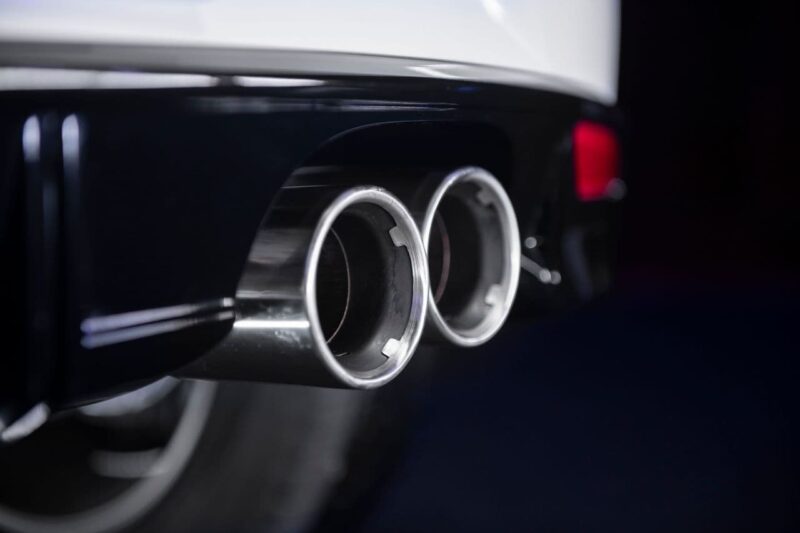
For many car enthusiasts, the sound of an engine is just as important as its performance. A well-designed exhaust system can transform an ordinary vehicle into one that produces a deep, aggressive, and sporty exhaust note. Whether you prefer a subtle rumble or a bold roar, choosing the best exhaust system for better sound can dramatically enhance your driving experience.
Factory exhaust systems are designed to minimize noise and meet emissions regulations, but they often restrict the rich engine sound many drivers desire. Aftermarket performance exhaust systems provide an excellent solution by improving exhaust flow while delivering a more exciting exhaust tone.
In this guide, we’ll explore the best exhaust systems for better sound, their benefits, different types, materials, and factors to consider before upgrading your vehicle.
Why Upgrade Your Exhaust System?
Upgrading your exhaust system offers much more than a louder engine note. A quality performance exhaust can improve airflow, reduce backpressure, and enhance the overall character of your vehicle.
Some key benefits include:
- Deeper and more aggressive exhaust sound
- Improved engine performance
- Better throttle response
- Potential fuel efficiency improvements
- Enhanced vehicle appearance
- Increased durability with premium materials
The right exhaust system creates a balance between sound, performance, and everyday drivability.
Types of Exhaust Systems for Better Sound
Different exhaust systems produce different sound levels and performance characteristics. Choosing the right option depends on your driving style and personal preference.
Axle-Back Exhaust System
An axle-back exhaust replaces the muffler and tailpipe located behind the rear axle.
Advantages include:
- Noticeable sound improvement
- Affordable upgrade
- Easy installation
- Minimal modifications required
This option is ideal for drivers who primarily want a better exhaust note without replacing the entire system.
Cat-Back Exhaust System
A cat-back exhaust replaces everything from the catalytic converter to the exhaust tips.
Benefits include:
- Deeper exhaust tone
- Improved airflow
- Better engine performance
- Moderate horsepower gains
Cat-back systems are among the most popular upgrades because they provide an excellent balance between sound and performance.
Header-Back Exhaust System
A header-back exhaust replaces nearly the entire exhaust system from the engine headers to the tailpipes.
Advantages include:
- Maximum airflow
- Most aggressive exhaust sound
- Significant performance improvements
- Complete exhaust customization
This setup is commonly chosen for high-performance vehicles and heavily modified engines.
Also Read: Custom Exhaust Installation
Choosing the Right Muffler for Sound
The muffler has one of the biggest impacts on your vehicle’s exhaust tone.
Chambered Mufflers
These mufflers use internal chambers to create a deep, classic muscle car sound.
Ideal for:
- V8 engines
- Performance cars
- Drivers seeking an aggressive exhaust note
Straight-Through Mufflers
Straight-through designs allow exhaust gases to flow with minimal restriction.
Benefits include:
- Loud, sporty sound
- Improved performance
- Excellent airflow
These are commonly found on sports cars and modified vehicles.
Turbo Mufflers
Turbo mufflers provide a quieter, smoother exhaust tone while still improving airflow compared to factory mufflers.
They’re an excellent option for daily drivers who want a refined sound without excessive noise.
Exhaust Pipe Size Matters
The diameter of your exhaust pipes affects both sound and performance.
Larger pipes generally produce:
- Deeper exhaust tones
- Increased airflow
- Greater horsepower potential
However, pipes that are too large for your engine can reduce low-end torque and negatively impact performance. Choosing the correct pipe size for your vehicle is essential.
Best Materials for Exhaust Systems
The material used in your exhaust system affects its durability, appearance, and longevity.
Aluminized Steel
Advantages:
- Affordable
- Suitable for dry climates
- Good durability
While economical, it is more susceptible to rust over time.
Stainless Steel
Stainless steel is the most popular choice for aftermarket exhaust systems because it offers:
- Excellent corrosion resistance
- Long service life
- Attractive finish
- Minimal maintenance
It provides the best balance between quality and cost.
Titanium
Titanium exhaust systems offer premium performance with several advantages:
- Extremely lightweight
- Outstanding corrosion resistance
- High strength
- Distinctive appearance
Although expensive, titanium is popular among performance enthusiasts and racing applications.
Factors That Affect Exhaust Sound
Several factors influence how your exhaust system sounds after installation.
Engine Size
Larger engines naturally produce deeper exhaust notes than smaller engines.
Muffler Design
The internal construction of the muffler significantly affects tone, volume, and sound quality.
Resonators
Resonators help eliminate unwanted frequencies and reduce cabin drone while maintaining a sporty exhaust sound.
Catalytic Converter
High-flow catalytic converters may slightly increase exhaust volume while maintaining emissions compliance where permitted.
Professional Installation vs. DIY
Many exhaust systems are designed as direct bolt-on upgrades, making installation possible for experienced DIY enthusiasts.
However, professional installation offers important advantages:
- Proper alignment
- Secure mounting
- Leak-free connections
- Correct pipe clearance
- Long-term reliability
Professional installation is especially beneficial for custom exhaust systems requiring welding or fabrication.
Maintaining Your Exhaust System
Proper maintenance helps preserve both sound quality and performance.
Maintenance tips include:
- Inspect the exhaust system regularly for rust and damage.
- Check exhaust hangers and mounting brackets.
- Tighten loose clamps and bolts.
- Clean polished exhaust tips.
- Repair leaks promptly.
- Schedule inspections during routine vehicle maintenance.
Regular care extends the lifespan of your performance exhaust system.
Is a Louder Exhaust Always Better?
While many drivers enjoy a louder exhaust, the best system produces a refined sound rather than excessive noise. A well-designed exhaust should enhance the engine’s natural tone without creating unwanted drone inside the cabin or violating local noise regulations.
Choosing a system that matches your vehicle and driving style ensures a more enjoyable experience on both city streets and highways.
How to Choose the Best Exhaust System
Before purchasing an exhaust system, consider the following:
- Your preferred sound level
- Vehicle make and model
- Driving habits
- Performance goals
- Budget
- Material quality
- Local emissions and noise regulations
Reading customer reviews and selecting a reputable manufacturer can also help you make an informed decision.
Final Thoughts
Finding the best exhaust system for better sound is about more than simply making your vehicle louder. The ideal system enhances your engine’s natural tone, improves exhaust flow, and delivers reliable performance without sacrificing comfort or durability.
Whether you choose an axle-back, cat-back, or complete header-back system, investing in a high-quality exhaust upgrade can make every drive more enjoyable. By selecting the right materials, ensuring professional installation, and maintaining the system regularly, you’ll enjoy a deeper, richer exhaust sound and improved vehicle performance for years to come.
