




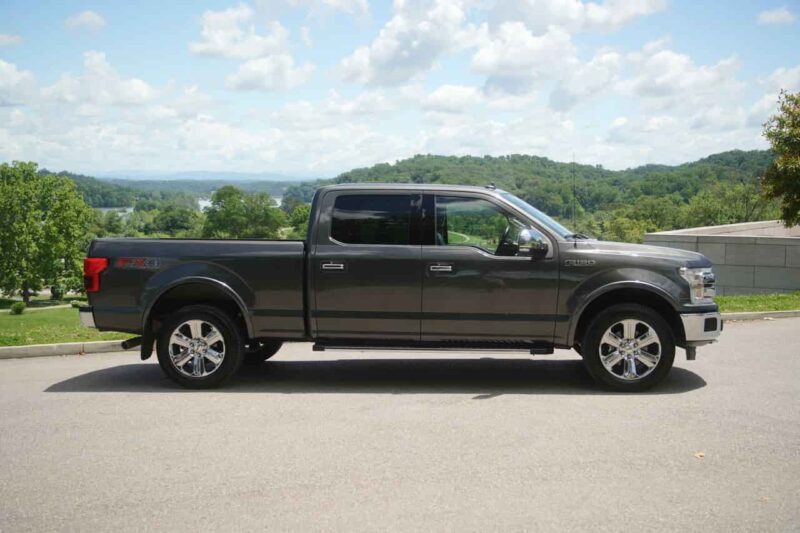
If you’re thinking about selling or upgrading your truck, understanding your Ford F-150 trade-in value is an important first step. The amount a dealer offers can vary significantly depending on your truck’s model year, trim, mileage, condition, equipment, and current demand. Knowing what affects the value can help you negotiate with confidence and avoid accepting an offer that is lower than your truck deserves.
What Determines Ford F-150 Trade-In Value?
Several factors influence how much a dealership is willing to offer for your F-150. The first is the model year. Newer F-150s generally retain more value than older trucks, although depreciation can vary depending on the configuration and market.
Mileage is another major consideration. An F-150 with relatively low mileage will typically command a higher trade-in offer than a similar truck with significantly more miles. However, mileage isn’t everything. A well-maintained F-150 with higher mileage can sometimes be worth more than a neglected truck with fewer miles.
Your truck’s trim level and configuration also matter. Popular versions such as the XLT, Lariat, King Ranch, Platinum, and Raptor can have different resale values. Buyers may also place a premium on desirable features such as four-wheel drive, larger engines, towing packages, upgraded interiors, advanced technology, and premium equipment.
How Condition Affects Your Trade-In Offer
The physical and mechanical condition of your F-150 can have a substantial effect on its trade-in value. Dealers typically inspect the exterior, interior, tires, engine, transmission, suspension, brakes, and other major components.
Minor scratches and normal wear are usually expected on a used truck. However, significant body damage, worn tires, mechanical problems, warning lights, damaged upholstery, or evidence of an accident can reduce the offer.
Keeping maintenance records can also help demonstrate that the truck has been properly cared for. Documentation for oil changes, tire replacements, brake work, and other major services gives a dealer greater confidence in the vehicle’s condition.
Also Read: Car Body Dent Repair Kit – Ultimate Guide
How to Estimate Your Ford F-150 Trade-In Value
Before visiting a dealership, research the current market for trucks similar to yours. Look at vehicles with the same or similar model year, trim, mileage, drivetrain, and equipment.
Online valuation tools can provide a useful starting point, but remember that an estimate isn’t necessarily the same as the amount a dealer will offer. A dealership considers factors such as local demand, inventory levels, expected reconditioning costs, and the price it believes the truck can achieve when resold.
It can also be useful to get multiple trade-in offers. Comparing offers from several dealerships gives you a better understanding of the truck’s current market value and gives you leverage when negotiating.
Trade-In Value vs. Private-Sale Value
One common question is whether trading in an F-150 is better than selling it privately. A private buyer may pay more because the transaction doesn’t involve a dealership’s resale margin and operating costs. However, selling privately can require more time and effort.
You may need to advertise the truck, respond to potential buyers, arrange inspections and test drives, negotiate the price, and handle the paperwork. A trade-in is usually more convenient because the dealership handles much of the transaction.
There can also be tax advantages to trading in your truck, depending on your location and local laws. In some jurisdictions, the taxable amount of a new vehicle purchase may be reduced by the value of the trade-in. Because tax rules vary, it’s worth checking the regulations where you live.
Ways to Increase Your F-150’s Trade-In Value
You don’t necessarily need to spend a large amount of money preparing your truck for trade. Start with basic improvements that make the vehicle present well.
Clean the interior thoroughly, wash and detail the exterior, remove personal belongings, and repair inexpensive cosmetic issues when doing so makes financial sense. Make sure the truck has working lights and that warning indicators aren’t illuminated.
Gather maintenance records, the owner’s manuals, spare keys, and any original equipment that came with the truck. These details can make the vehicle easier for a dealer to evaluate.
Avoid making expensive modifications solely to increase trade-in value. Custom wheels, suspension changes, aftermarket exhaust systems, or other modifications may not add as much value as they cost. In some cases, returning a truck to a clean, original configuration may be more beneficial.
When Is the Best Time to Trade In an F-150?
Timing can influence your trade-in offer, although there is no universal month or mileage point that guarantees the highest value. Market demand, dealership inventory, seasonal conditions, fuel prices, and the popularity of particular truck configurations can all affect pricing.
If you’re approaching a major mileage milestone or have expensive maintenance coming due, comparing trade-in offers beforehand can be worthwhile. Likewise, if used F-150 inventory is limited in your market, strong demand could potentially improve your negotiating position.
Don’t Focus Only on the Trade-In Number
When trading an F-150 for another vehicle, focus on the entire transaction, not just the trade-in offer. A dealer could offer a strong trade-in allowance while charging more for the vehicle you’re purchasing. Conversely, a lower trade-in figure could potentially be offset by a better purchase price.
Ask for the trade-in value, vehicle purchase price, fees, financing terms, and final amount separately. Comparing these figures makes it easier to understand what you’re actually paying.
Ultimately, the best way to determine your Ford F-150 trade-in value is to combine online research with real-world dealer offers. Know your truck’s exact specifications, understand its condition, compare similar vehicles, and obtain multiple offers before making a decision. With that information, you’ll be in a much stronger position to negotiate a fair deal.
