




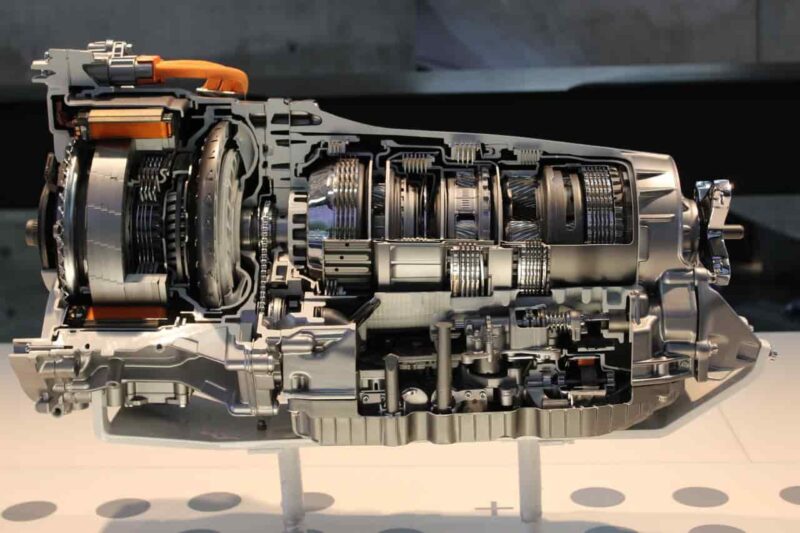
A Ford F-150 transmission slipping can be a frustrating and potentially expensive problem. When the transmission slips, the truck may struggle to stay in the correct gear, hesitate during acceleration, or suddenly increase engine RPM without a corresponding increase in speed.
Transmission problems should not be ignored. Continuing to drive a truck with a slipping transmission can potentially turn a relatively manageable repair into a much more expensive transmission rebuild or replacement.
Understanding the warning signs and possible causes can help F-150 owners decide what to do next.
What Does Transmission Slipping Mean?
Transmission slipping occurs when the transmission does not properly maintain the selected gear. Instead of transferring engine power smoothly to the wheels, the transmission may temporarily lose engagement or shift unexpectedly.
One common symptom is an increase in engine RPM while the truck accelerates slowly. You may feel that the engine is working harder without producing the expected movement.
Depending on the problem, slipping may occur during acceleration, gear changes, towing, climbing hills, or when the transmission is cold or hot.
Common Symptoms of a Slipping F-150 Transmission
Several warning signs may indicate a transmission problem.
Unexpected RPM Increases
If the engine RPM suddenly rises while your speed stays relatively constant, the transmission may be slipping.
Delayed Gear Engagement
You may notice a delay when shifting from Park into Drive or Reverse. A healthy transmission should engage relatively smoothly without a significant pause.
Harsh or Erratic Shifting
Hard shifts, unexpected downshifts, or inconsistent gear changes can indicate a transmission or control-system problem.
Shuddering or Vibrations
A slipping or malfunctioning transmission can sometimes cause shuddering during acceleration or while changing gears.
Burning Smell
A burning odor may indicate overheated or degraded transmission fluid. Because overheating can cause serious damage, this symptom should be investigated promptly.
Check Engine or Transmission Warning
Modern F-150 models use electronic systems to monitor transmission operation. A warning light or stored diagnostic trouble code may accompany transmission problems.
Also Read: Suction Dent Puller – Ultimate Guide
What Causes Ford F-150 Transmission Slipping?
There are several potential causes of transmission slipping, and the correct diagnosis depends on the specific model year and transmission.
Low or Degraded Transmission Fluid
Transmission fluid plays an important role in lubrication, cooling, hydraulic pressure, and gear engagement. Low fluid levels can interfere with proper transmission operation.
Old or contaminated fluid can also contribute to shifting problems.
If you suspect a fluid issue, have the vehicle inspected rather than automatically adding fluid. Some transmissions have specific procedures for checking fluid level and condition.
Worn Clutches
Automatic transmissions contain internal clutch components that engage and disengage different gears. Over time, these components can wear.
Severe clutch wear can result in slipping, poor acceleration, and difficulty maintaining gears.
Solenoid Problems
Transmission solenoids control fluid flow within the transmission. A malfunctioning solenoid can cause incorrect shift timing, harsh shifts, or gear engagement problems.
Valve Body Issues
The valve body directs transmission fluid to various circuits. Wear, contamination, or other faults can affect hydraulic pressure and shift quality.
Electronic or Software Problems
Modern F-150 transmissions rely heavily on electronic controls. Sensor faults, wiring issues, control-module problems, or software-related issues can sometimes produce symptoms that resemble mechanical transmission failure.
For this reason, diagnostic scanning can be an important part of troubleshooting.
Can You Drive an F-150 With a Slipping Transmission?
It is generally best to avoid unnecessary driving when you suspect the transmission is slipping.
A slipping transmission can generate additional heat and accelerate internal wear. If the truck suddenly loses power transfer or changes gears unexpectedly, it may also create a safety concern, particularly in traffic or while towing.
If the transmission is severely slipping, producing a burning smell, leaking fluid, or refusing to engage properly, consider having the vehicle transported to a qualified repair facility rather than continuing to drive it.
How Is Transmission Slipping Diagnosed?
A professional technician will typically begin by asking about the symptoms and when they occur.
The inspection may include checking for fluid leaks, examining fluid condition, scanning the vehicle for diagnostic trouble codes, and performing a road test.
Depending on the findings, the technician may investigate transmission pressure, solenoid operation, sensors, wiring, valve-body function, and internal components.
Accurate diagnosis matters because not every shifting problem requires a complete transmission replacement.
How Much Does It Cost to Fix a Slipping F-150 Transmission?
Repair costs vary widely depending on the underlying problem, model year, transmission type, labor rates, and whether internal components are damaged.
A relatively simple repair, such as addressing an electrical issue or certain external components, may cost considerably less than rebuilding or replacing the transmission.
If internal clutches, gears, or other major components are damaged, costs can become substantially higher.
Before approving major work, ask the repair facility for a written estimate explaining the diagnosis, recommended repair, parts, labor, and warranty.
How to Prevent Transmission Problems
Regular maintenance can help protect your F-150’s transmission.
Follow the maintenance schedule appropriate for your model year and transmission. Avoid exceeding the truck’s towing and payload ratings, and pay attention to signs of overheating or fluid leaks.
If you frequently tow heavy trailers, make sure your F-150 is properly equipped and maintained for that workload.
It is also important to address unusual shifting behavior early rather than waiting until the truck becomes undriveable.
Final Thoughts
A Ford F-150 transmission slipping can result from anything from fluid-related problems to worn internal components or electronic faults. Symptoms such as rising RPM, delayed engagement, harsh shifting, shuddering, or burning odors should not be ignored.
The best approach is to have the truck properly diagnosed as soon as possible. Identifying the cause early may help prevent additional damage and give you more repair options.
Because F-150 transmission designs and service requirements vary by model year, always use the correct specifications and repair procedures for your particular truck.
