




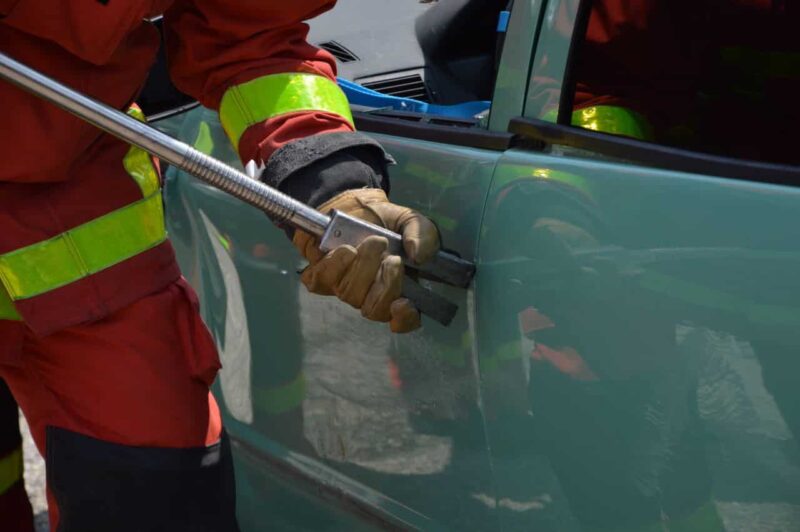
A car body dent repair kit can be a practical solution for vehicle owners dealing with minor dents, dings, and shallow body damage. Instead of immediately taking a car to a body shop, many shoppers consider DIY dent repair tools as a convenient and potentially more affordable option.
However, not every dent repair kit works for every type of damage. The right choice depends on the dent’s size, depth, location, and the type of tools included in the kit. Understanding the available repair solutions can help you make a better purchasing decision.
What Is a Car Body Dent Repair Kit?
A car body dent repair kit is a collection of tools designed to help remove or reduce dents from a vehicle’s exterior panels. Depending on the product, a kit may include suction cups, glue tabs, a hot glue gun, pulling tools, dent lifters, rods, knockdown tools, and other accessories.
Most kits are designed for minor cosmetic damage rather than major collision repairs. They can be particularly useful for small door dings, shallow dents, and other imperfections where the vehicle’s paint has remained intact.
Comparing Popular Dent Repair Solutions
Before purchasing a car body dent repair kit, it is useful to compare the main methods available to vehicle owners.
Suction Dent Pullers
Suction pullers use vacuum pressure to grip a smooth surface and pull the damaged panel outward. They are generally simple to use and do not require adhesives or drilling.
The main limitation is that suction tools need a relatively smooth surface and may not work effectively on sharp, deep, or heavily creased dents. They are best suited to shallow dents with accessible surfaces.
Glue Pull Dent Repair Kits
Glue pull kits use adhesive tabs attached to the dent. A pulling device is then used to gradually draw the metal back toward its original position.
This method can provide more versatility than basic suction tools because different glue tabs can accommodate different dent shapes and sizes. However, users need to follow the instructions carefully to avoid damaging the vehicle’s paint or leaving adhesive residue.
Paintless Dent Repair Tools
Professional paintless dent repair, commonly known as PDR, uses specialized tools to manipulate damaged metal from behind the panel. When performed correctly, it can preserve the original factory paint.
PDR is often a strong choice for dents where the paint remains undamaged, but professional equipment and experience can make this option more expensive than a basic DIY dent repair kit.
Traditional Body Repair
For deep dents, cracked paint, stretched metal, rust, or collision-related damage, traditional body repair may be the better solution. This process can involve filling, sanding, painting, and replacing damaged components.
Although it typically costs more than a DIY approach, professional body repair can provide a more comprehensive solution for serious damage.
Also Read: ECU Failure Symptoms
How to Choose the Best Car Body Dent Repair Kit
When comparing products, look beyond the number of accessories included. A kit with dozens of pieces is not necessarily better than a smaller kit containing durable, purpose-built tools.
Consider the following factors:
Dent compatibility: Check whether the kit is designed for the size and shape of dents you need to repair.
Tool quality: Look for sturdy pulling handles, durable tabs, and reliable accessories that can withstand repeated use.
Ease of use: Beginners may benefit from kits with clear instructions and straightforward tools.
Vehicle surface: Consider whether the method is suitable for your vehicle’s body material and painted surface.
Included accessories: Compare what each kit contains and determine whether you actually need the additional tools.
Safety and limitations: A quality product should clearly explain what types of dents it can and cannot repair.
Can a DIY Dent Repair Kit Fix Every Dent?
No. A car body dent repair kit is primarily intended for minor cosmetic dents. It may not be appropriate for deep creases, dents with extensive paint damage, damaged edges, or panels that have been severely distorted.
Before attempting a repair, inspect the affected area carefully. If the paint is cracked or the metal has been sharply folded, trying to pull the dent yourself could make the damage worse.
Benefits of Using a Car Dent Repair Kit
For suitable dents, a DIY repair kit can offer several advantages. It can provide a convenient alternative to visiting a repair shop for every minor cosmetic issue. Many kits are compact enough to store in a garage or vehicle workshop, making them useful for occasional repairs.
Another advantage is flexibility. A multi-piece kit may contain several tools and accessories, allowing users to choose a method based on the shape and position of the dent.
However, results depend heavily on the quality of the kit and the user’s technique.
DIY Kit vs Professional Dent Repair
The best option ultimately depends on the damage. A DIY car body dent repair kit may make sense for shoppers who want to address small, shallow dents themselves. Professional repair is generally more appropriate when the damage is complex or when maintaining a flawless finish is important.
For a simple door ding, a suitable DIY kit may provide a convenient starting point. For significant collision damage, professional assessment is usually the safer choice.
Final Thoughts
Choosing the right car body dent repair kit starts with understanding the type of dent you are dealing with. Suction pullers can be useful for simple shallow dents, while glue pull systems offer greater flexibility for certain cosmetic repairs. Professional paintless dent repair and traditional bodywork remain better options for more complicated damage.
For automotive shoppers, the best kit is not necessarily the one with the most tools. Instead, compare the repair method, build quality, included accessories, ease of use, and compatibility with your vehicle’s damage. By matching the repair solution to the dent, you can make a more informed purchase and avoid unnecessary repair costs.
