




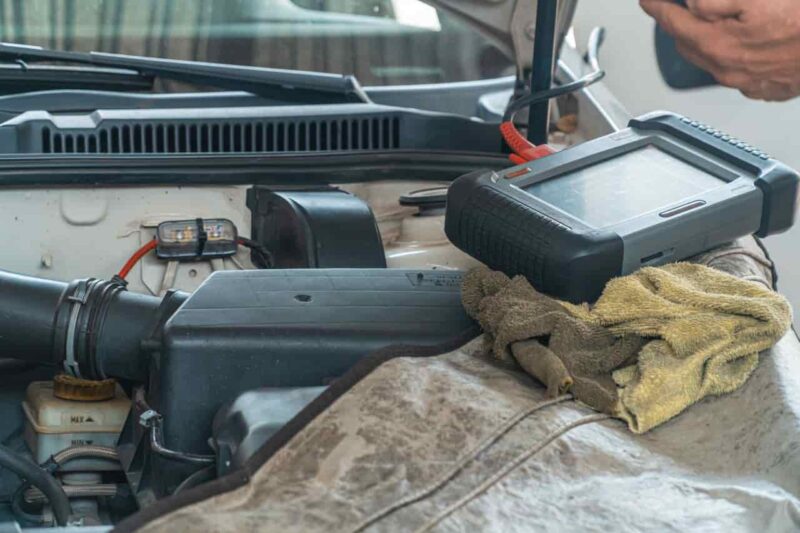
The engine control unit (ECU) is the computer responsible for monitoring and controlling many functions of a modern vehicle. It processes information from sensors and adjusts fuel injection, ignition timing, emissions systems, idle speed, and other engine parameters.
Sometimes, drivers may need to reset the ECU after repairing a problem, replacing a sensor, clearing certain diagnostic trouble codes, or allowing the vehicle to relearn its operating conditions. Knowing how to reset a car ECU can be useful, but the correct procedure varies depending on the vehicle’s make, model, and year.
It is also important to understand that resetting an ECU does not repair a mechanical or electrical fault. If the underlying problem remains, the warning light or fault code may return.
What Does Resetting a Car ECU Do?
Resetting the ECU clears certain stored information and can return some learned engine parameters to their default state. The ECU may then need to relearn factors such as idle behavior, fuel adjustments, and throttle response as you drive.
Depending on the vehicle, an ECU reset may also clear stored diagnostic trouble codes. However, some codes require a diagnostic scanner to clear, while others may return immediately if the underlying fault is still present.
Method 1: Use an OBD2 Scanner
Using an OBD2 scanner is generally the most controlled method for resetting or clearing ECU-related fault codes.
First, park the vehicle safely and switch off the engine. Locate the OBD2 diagnostic port, which is commonly located beneath the dashboard near the driver’s side.
Connect the scanner to the port and switch on the vehicle’s ignition without starting the engine. Follow the scanner’s instructions to read the stored diagnostic trouble codes.
After identifying and addressing the underlying problem, select the option to clear or erase the codes. The exact menu wording varies between scanners.
Once the codes have been cleared, turn off the ignition, disconnect the scanner, and restart the vehicle. The ECU may require some driving time to relearn its operating parameters.
Also Read: How Long Do car Spark Plug Last – Ultimate Guide
Method 2: Disconnect the Battery
Another commonly used ECU reset method involves disconnecting the vehicle’s battery. However, this procedure should be used carefully because modern vehicles contain electronic systems that can lose stored settings when power is disconnected.
Before disconnecting the battery, switch off the ignition and make sure the vehicle is secure. If your vehicle has special battery-management or electronic systems, consult the owner’s manual before proceeding.
Disconnecting the battery may clear some temporary ECU memory, but it does not necessarily erase every fault code on every vehicle.
After reconnecting the battery, some systems may need to be reset or relearned. These can include the clock, radio presets, power windows, throttle settings, or other electronic features.
Method 3: Follow the Manufacturer’s Reset Procedure
Some vehicles have a specific ECU relearn or reset procedure. The process can vary significantly between manufacturers and even between models from the same manufacturer.
The owner’s manual or official service information should be consulted for the correct procedure. Some vehicles require specific ignition cycles, throttle procedures, idle relearning, or driving conditions after the ECU has been reset.
Following the manufacturer’s instructions is preferable to using a generic procedure that may not apply to your vehicle.
What Happens After an ECU Reset?
After resetting the ECU, the vehicle may behave slightly differently for a short period. This is because the computer may need to relearn certain operating parameters.
You might notice changes in idle speed, throttle response, or fuel consumption while the ECU adapts to driving conditions.
In many vehicles, normal operation returns after a period of mixed driving. However, the exact relearning process depends on the vehicle and its engine management system.
Does Resetting the ECU Clear the Check Engine Light?
Resetting the ECU or clearing diagnostic codes may turn off the Check Engine Light, but this does not necessarily mean the vehicle has been repaired.
If the underlying problem is still present, the warning light may return after the ECU completes its checks. For this reason, it is better to diagnose and repair the cause before clearing the code.
A diagnostic scanner can also help determine whether the vehicle’s emissions monitors are ready after an ECU reset.
When Should You Reset a Car ECU?
An ECU reset may be appropriate after certain repairs or when instructed by the vehicle manufacturer. It can also be useful when clearing confirmed diagnostic codes after the underlying issue has been fixed.
However, repeatedly resetting the ECU to make a warning light disappear is not a substitute for diagnosis. If a fault continues to occur, resetting the computer will not solve the root cause.
Important Things to Know Before Resetting
Before resetting your ECU, consider whether your vehicle has any special electronic requirements. Some modern vehicles use sophisticated battery-management systems, immobilizers, electronic throttles, and multiple interconnected control modules.
Disconnecting the battery can also erase learned settings or stored information. If you are unsure about the correct procedure, consult the owner’s manual or a qualified technician.
Conclusion
Learning how to reset a car ECU is relatively straightforward, but the safest method depends on the vehicle. An OBD2 scanner provides a controlled way to clear diagnostic trouble codes, while disconnecting the battery may reset certain learned information on some vehicles. Manufacturer-specific reset and relearn procedures are often the best choice for modern vehicles.
Remember that an ECU reset does not fix the underlying cause of a fault. If the Check Engine Light returns or the vehicle continues to experience performance problems, the system should be properly diagnosed rather than repeatedly reset.
Using the correct procedure can help ensure the ECU relearns engine parameters properly and that your vehicle continues to operate as intended.
