




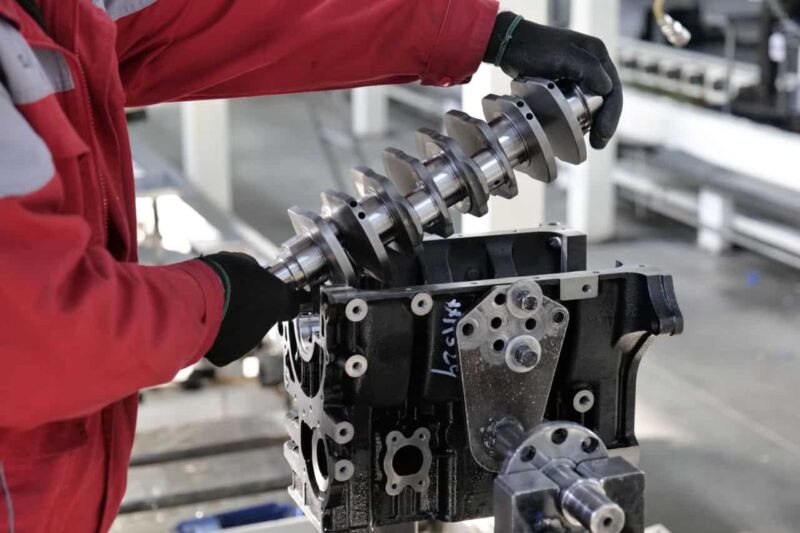
If you’ve ever explored how a car engine works, you’ve probably come across the terms crankshaft and camshaft. While both are essential engine components, they perform very different functions. The crankshaft converts the pistons’ movement into rotational power, while the camshaft controls the opening and closing of the engine’s valves.
Understanding the difference between a crankshaft and a camshaft can help you better understand engine operation, diagnose common problems, and make informed maintenance decisions. In this guide, we’ll compare the crankshaft and camshaft, explain how they work together, and discuss the signs of failure for each component.
What Is a Crankshaft?
A crankshaft is a heavy-duty rotating shaft located in the lower section of the engine block. It connects to the pistons through connecting rods and converts their up-and-down movement into rotational motion.
This rotational energy is transferred through the flywheel and transmission to drive the vehicle’s wheels.
The crankshaft is manufactured from forged steel or cast iron to withstand high pressure, extreme temperatures, and continuous engine loads.
Main Functions of a Crankshaft
The crankshaft performs several important tasks, including:
- Converting piston motion into rotary motion
- Driving the transmission through the flywheel
- Powering engine accessories through pulleys
- Maintaining engine balance with counterweights
- Supporting smooth engine operation
Without the crankshaft, the engine could not produce usable mechanical power.
What Is a Camshaft?
A camshaft is a long shaft fitted with specially shaped lobes called cams. It is usually located in the cylinder head of overhead cam (OHC) engines or inside the engine block in older overhead valve (OHV) engines.
The camshaft controls the opening and closing of the intake and exhaust valves at precise intervals during the engine cycle.
Its rotation is synchronized with the crankshaft using either a timing belt, timing chain, or timing gears.
Main Functions of a Camshaft
The camshaft is responsible for:
- Opening intake valves
- Opening exhaust valves
- Controlling valve timing
- Regulating engine breathing
- Improving engine performance and efficiency
Accurate valve timing is essential for proper combustion and power production.
Crankshaft vs Camshaft: Key Differences
Although both shafts rotate inside the engine, they serve different purposes.
| Feature | Crankshaft | Camshaft |
| Primary Function | Converts piston motion into rotational power | Controls intake and exhaust valves |
| Location | Lower engine block | Cylinder head or engine block |
| Connected To | Pistons and connecting rods | Intake and exhaust valves |
| Speed | Rotates faster | Rotates at half the crankshaft speed in a four-stroke engine |
| Driven By | Pistons | Timing chain, belt, or gears from the crankshaft |
| Main Purpose | Generate engine power | Control valve timing |
Both components are equally important for efficient engine operation.
Also Read: Power Steering Repair – Guide
How the Crankshaft and Camshaft Work Together
The crankshaft and camshaft must remain perfectly synchronized for the engine to operate correctly.
In a four-stroke engine, the crankshaft completes two full revolutions while the camshaft completes one revolution. This 2:1 ratio ensures that the intake and exhaust valves open and close at the correct moments during the engine cycle.
The synchronization is maintained using:
- Timing belt
- Timing chain
- Timing gears
If the timing system fails, valve timing becomes inaccurate, potentially causing severe engine damage in interference engines.
Symptoms of a Bad Crankshaft
A damaged crankshaft often produces noticeable warning signs.
Common symptoms include:
- Engine knocking noises
- Low oil pressure
- Excessive engine vibration
- Difficulty starting
- Engine misfires
- Metal shavings in engine oil
- Check Engine Light
- Complete engine failure in severe cases
Early diagnosis can help prevent costly engine repairs.
Symptoms of a Bad Camshaft
A worn or damaged camshaft can significantly affect engine performance.
Typical symptoms include:
- Rough idle
- Reduced engine power
- Poor fuel economy
- Engine misfires
- Ticking noises from the valve train
- Check Engine Light
- Difficulty starting
- Increased exhaust emissions
Ignoring camshaft problems may lead to valve train damage and reduced engine efficiency.
Common Causes of Crankshaft Failure
Several factors can damage a crankshaft over time.
These include:
- Poor lubrication
- Low engine oil levels
- Worn bearings
- Engine overheating
- High mileage
- Excessive engine load
- Manufacturing defects
Regular oil changes are one of the best ways to protect the crankshaft.
Common Causes of Camshaft Failure
Camshaft wear typically results from lubrication or maintenance problems.
Common causes include:
- Dirty engine oil
- Oil starvation
- Worn valve lifters
- Broken timing belt or chain
- Poor maintenance
- High engine mileage
- Incorrect valve adjustment
Routine maintenance helps extend camshaft life.
Can an Engine Run Without a Crankshaft or Camshaft?
The answer is no.
Without a crankshaft, the pistons cannot produce rotational force to drive the vehicle.
Without a camshaft, the intake and exhaust valves cannot open or close properly, preventing the engine from completing the combustion process.
Both components are essential for engine operation and cannot function independently.
Maintenance Tips for Both Components
Although the crankshaft and camshaft are built to last, proper maintenance is essential.
Follow these tips:
- Change engine oil at recommended intervals.
- Use the correct oil grade.
- Replace the oil filter regularly.
- Inspect the timing belt or timing chain.
- Repair oil leaks promptly.
- Avoid engine overheating.
- Listen for unusual engine noises.
- Perform regular engine inspections.
Preventive maintenance greatly reduces the risk of expensive repairs.
Which Component Is More Important?
Many people wonder whether the crankshaft or camshaft is more important.
The truth is that both components are equally critical. The crankshaft generates mechanical power, while the camshaft controls the valve timing necessary for combustion. Without either one, the engine cannot operate efficiently or produce power.
Rather than competing, these two components work together as part of a precisely timed system that ensures smooth performance, fuel efficiency, and reliability.
Conclusion
Understanding the differences between a crankshaft and a camshaft helps you appreciate how modern engines operate. While the crankshaft converts the pistons’ movement into rotational power, the camshaft controls the timing of the engine’s intake and exhaust valves. Together, they ensure that combustion occurs efficiently and that power is delivered smoothly to the wheels.
Regular oil changes, proper maintenance, and timely repairs can extend the lifespan of both components and help prevent costly engine damage. Whether you’re a car owner, DIY enthusiast, or automotive student, knowing the roles of the crankshaft and camshaft will make it easier to understand engine performance and identify potential problems before they become serious.
