




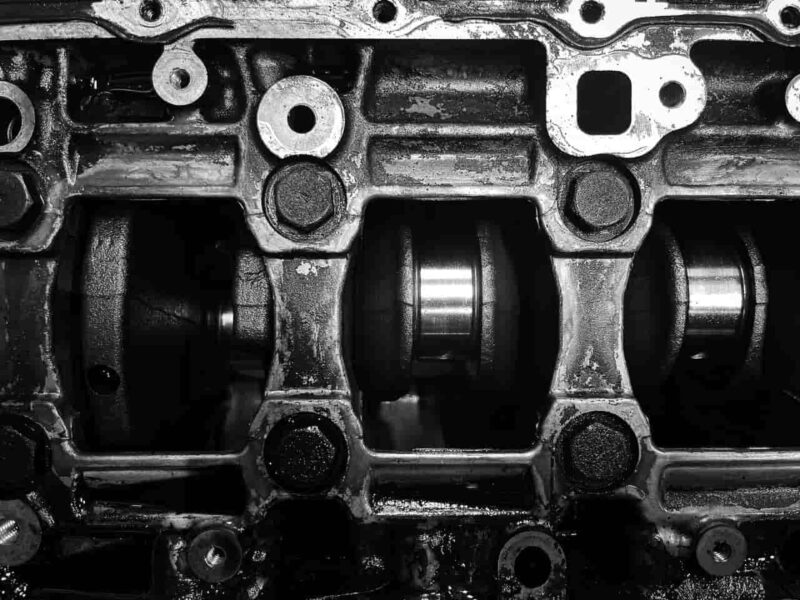
The crankshaft is one of the most important components of your vehicle’s engine. It converts the up-and-down motion of the pistons into rotational power that drives the wheels. Because it operates under extreme pressure and high speeds, a damaged or failing crankshaft can lead to serious engine problems if ignored.
Recognizing the symptoms of a bad crankshaft early can save you from expensive repairs and even complete engine failure. In this guide, you’ll learn the most common warning signs, possible causes, and how to fix crankshaft issues before they become severe.
What Is a Crankshaft?
A crankshaft is a precision-engineered metal shaft located inside the engine block. It connects to the pistons through connecting rods and transforms reciprocating motion into rotational movement. This rotation ultimately powers your vehicle.
Since the crankshaft is critical to engine operation, even minor damage can affect performance, fuel efficiency, and reliability.
Symptoms of a Bad Crankshaft
Here are the most common signs that indicate your crankshaft may be failing.
1. Engine Knocking Noise
One of the earliest symptoms of a bad crankshaft is a deep knocking sound coming from the engine. This often happens when the crankshaft bearings become worn or damaged, allowing excessive movement.
Ignoring this noise can lead to severe internal engine damage.
2. Excessive Engine Vibrations
A damaged or bent crankshaft can throw the engine out of balance. As a result, you’ll notice excessive vibrations while driving or idling.
The vibration may become more noticeable during acceleration and can eventually affect other engine components.
Also Read: Steering Pump Replacement – Guide
3. Low Oil Pressure
The crankshaft relies on a constant supply of engine oil for lubrication. Worn crankshaft bearings create larger clearances that reduce oil pressure.
Common signs include:
- Oil pressure warning light
- Engine overheating
- Increased engine wear
- Poor lubrication
Driving with low oil pressure can quickly destroy the engine.
4. Engine Misfires
If the crankshaft or crankshaft position sensor isn’t functioning correctly, the engine control unit (ECU) may receive inaccurate timing information.
This can result in:
- Engine misfires
- Rough idling
- Hesitation during acceleration
- Reduced engine performance
Misfires should never be ignored because they can damage the catalytic converter.
5. Difficulty Starting the Engine
A failing crankshaft position sensor often accompanies crankshaft problems. Since the ECU depends on this sensor for ignition timing, your vehicle may become difficult to start.
In severe cases, the engine may crank but never start.
6. Check Engine Light
The Check Engine Light can illuminate for many reasons, including crankshaft-related issues.
Diagnostic trouble codes commonly associated with crankshaft problems include:
- P0335
- P0336
- P0337
- P0338
- P0339
A professional diagnostic scan can determine whether the crankshaft or its sensor is responsible.
7. Oil Leaks Near the Engine
A worn crankshaft seal can allow engine oil to leak from the front or rear of the engine.
Signs include:
- Oil spots under the vehicle
- Burning oil smell
- Low engine oil level
- Dirty engine components
Replacing the seal early can prevent further engine damage.
8. Poor Engine Performance
A damaged crankshaft affects engine timing and smooth operation.
Drivers often notice:
- Sluggish acceleration
- Reduced power
- Poor throttle response
- Decreased fuel economy
These symptoms usually worsen over time if repairs are delayed.
9. Metal Shavings in Engine Oil
During an oil change, metallic particles in the oil may indicate crankshaft or bearing wear.
Metal contamination is a serious warning sign that requires immediate inspection to avoid catastrophic engine failure.
10. Complete Engine Failure
In extreme cases, a broken crankshaft can cause the engine to seize completely.
This usually happens after prolonged operation with severe bearing wear, lack of lubrication, or excessive engine stress.
Engine replacement is often the only solution at this stage.
What Causes a Bad Crankshaft?
Several factors can lead to crankshaft failure, including:
- Poor engine lubrication
- Low engine oil levels
- Dirty or contaminated oil
- Worn crankshaft bearings
- Overheating
- Manufacturing defects
- High engine mileage
- Engine overload
- Improper engine modifications
Regular maintenance significantly reduces the risk of crankshaft damage.
Can You Drive with a Bad Crankshaft?
Driving with a damaged crankshaft is extremely risky. While minor issues may allow the vehicle to run temporarily, continued driving can cause severe engine damage.
If you notice knocking noises, excessive vibration, or low oil pressure, stop driving and have the vehicle inspected immediately.
Ignoring these warning signs can turn a relatively affordable repair into a complete engine rebuild.
How to Diagnose a Bad Crankshaft
Mechanics use several methods to diagnose crankshaft problems, including:
- Computer diagnostic scan
- Oil pressure testing
- Engine compression testing
- Visual inspection
- Bearing clearance measurement
- Crankshaft runout measurement
Accurate diagnosis helps determine whether repair or replacement is necessary.
How Much Does It Cost to Replace a Crankshaft?
Crankshaft replacement costs vary depending on the vehicle make and engine type.
Typical expenses include:
- Crankshaft: $300–$1,200
- Labor: $800–$2,500
- Total replacement cost: $1,100–$3,700 or more
Luxury and high-performance vehicles often cost significantly more due to increased labor complexity.
How to Prevent Crankshaft Failure
Proper maintenance is the best way to extend crankshaft life.
Follow these maintenance tips:
- Change engine oil regularly.
- Use the manufacturer-recommended oil.
- Replace the oil filter during every oil change.
- Monitor oil pressure.
- Repair oil leaks promptly.
- Avoid overheating the engine.
- Address unusual engine noises immediately.
- Schedule regular engine inspections.
Preventive maintenance is much less expensive than replacing a damaged crankshaft.
Final Thoughts
Understanding the symptoms of a bad crankshaft can help you avoid major engine repairs and unexpected breakdowns. Common warning signs include engine knocking, excessive vibrations, low oil pressure, poor performance, difficulty starting, oil leaks, and metal particles in the engine oil.
If your vehicle shows any of these symptoms, have it inspected by a qualified mechanic as soon as possible. Early diagnosis can prevent catastrophic engine failure and save thousands of dollars in repair costs. Regular oil changes, routine inspections, and prompt attention to unusual engine behavior remain the most effective ways to keep your crankshaft and engine operating reliably for years.
