




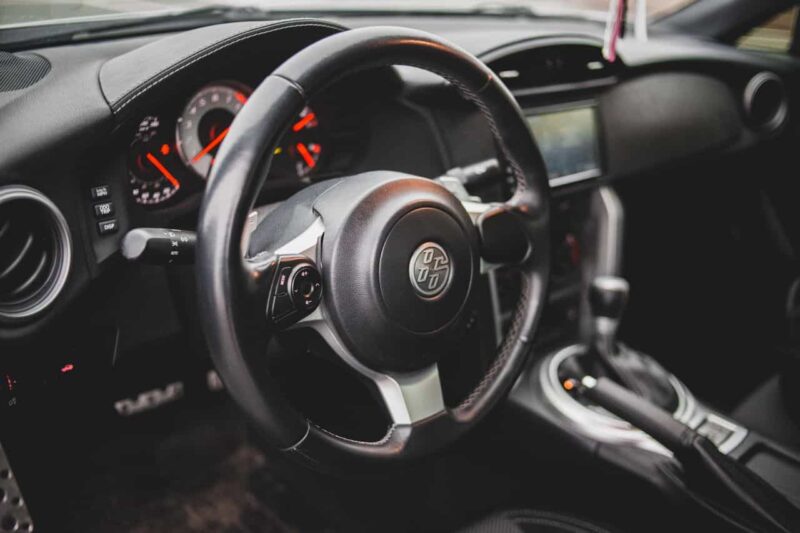
The power steering pump is one of the most important components of your vehicle’s steering system. It generates the hydraulic pressure needed to make steering smooth and effortless, allowing you to maneuver your vehicle with minimal effort. When the pump begins to fail, steering can become difficult, noisy, and unpredictable, making steering pump replacement essential for maintaining safe and reliable vehicle operation.
A faulty power steering pump not only affects driving comfort but can also cause damage to other steering components if left unrepaired. Understanding the causes of pump failure, recognizing the warning signs, and replacing the pump promptly can help prevent expensive repairs and ensure your vehicle remains safe on the road.
What Is a Power Steering Pump?
A power steering pump is a hydraulic device that supplies pressurized power steering fluid to the steering gear or steering rack. This hydraulic pressure reduces the effort required to turn the steering wheel, especially at low speeds or while parking.
Most hydraulic power steering systems include:
- Power steering pump
- Power steering fluid reservoir
- High-pressure and return hoses
- Steering rack or steering gearbox
- Drive belt or serpentine belt
- Power steering fluid
When all of these components work together properly, steering remains responsive and easy under all driving conditions.
Common Causes of Power Steering Pump Failure
Although power steering pumps are designed for long-term durability, several factors can contribute to premature failure.
Low Power Steering Fluid
Low fluid levels reduce lubrication and cooling inside the pump. Running the pump with insufficient fluid can quickly damage internal bearings and vanes.
Contaminated Fluid
Over time, dirt, metal particles, and moisture can contaminate power steering fluid. Dirty fluid increases friction and accelerates wear inside the pump.
Worn Drive Belt
A loose, cracked, or worn serpentine belt may prevent the pump from spinning at the proper speed, reducing hydraulic pressure and affecting steering performance.
Fluid Leaks
Leaks from hoses, seals, or fittings can lower fluid levels, forcing the pump to work harder and increasing the risk of failure.
Normal Wear and Tear
Like any mechanical component, power steering pumps eventually wear out after years of continuous use and exposure to heat and pressure.
Also Read: Exhaust System Repair – Ultimate Guide
Signs You Need Steering Pump Replacement
Recognizing the symptoms of a failing power steering pump can help you avoid complete steering system failure.
Whining or Groaning Noise
One of the most common warning signs is a whining or groaning sound when turning the steering wheel. This often indicates low fluid levels or internal pump wear.
Hard Steering
If the steering wheel becomes difficult to turn, particularly at low speeds, the pump may not be generating enough hydraulic pressure.
Steering Wheel Jerking
A failing pump may cause inconsistent steering assistance, resulting in jerky or uneven steering response.
Power Steering Fluid Leaks
Fluid leaking beneath the front of the vehicle may indicate damaged pump seals, hoses, or fittings.
Foamy or Discolored Fluid
Power steering fluid that appears dark, dirty, or filled with bubbles may indicate contamination or air entering the system.
Squealing Belt
A worn or slipping serpentine belt may produce a squealing sound while affecting pump performance.
Why Steering Pump Replacement Is Important
Driving with a faulty power steering pump can significantly reduce your ability to control the vehicle safely. As steering assistance decreases, maneuvering becomes more difficult, especially in emergency situations or while parking.
Replacing a worn pump restores proper hydraulic pressure, reduces strain on other steering components, and helps prevent damage to the steering rack, hoses, and drive belt.
Prompt replacement also improves driving comfort and helps maintain consistent steering performance.
The Steering Pump Replacement Process
Replacing a power steering pump involves several important steps.
Vehicle Inspection
A technician first inspects the steering system to confirm the pump is the source of the problem rather than a leaking hose or damaged steering rack.
Draining the Fluid
The old power steering fluid is drained from the system to prevent contamination of the new pump.
Removing the Drive Belt
The serpentine belt is loosened and removed from the pump pulley.
Disconnecting Hoses
The high-pressure and return hoses are carefully disconnected, and any remaining fluid is collected.
Installing the New Pump
The replacement pump is mounted securely and connected to the hydraulic lines using new seals or O-rings if required.
Refilling the System
Fresh power steering fluid is added according to the manufacturer’s specifications.
Bleeding the System
Air trapped inside the hydraulic system is removed by bleeding the system, ensuring smooth and consistent steering operation.
Final Testing
The technician checks for leaks, verifies fluid levels, and performs a road test to confirm proper steering performance.
How Much Does Steering Pump Replacement Cost?
The cost of replacing a power steering pump depends on the vehicle make, model, labor rates, and whether original equipment manufacturer (OEM) or aftermarket parts are used.
Typical expenses include:
- Replacement power steering pump
- Labor charges
- New power steering fluid
- Replacement drive belt if necessary
- Hose or fitting replacement if damaged
Repair costs vary depending on the complexity of the steering system and accessibility of the pump.
OEM vs. Aftermarket Power Steering Pumps
Vehicle owners generally have two replacement options.
OEM Pumps
OEM pumps are manufactured to meet the original specifications of your vehicle.
Benefits include:
- Exact fit
- Reliable performance
- Manufacturer warranty
- Consistent steering feel
Aftermarket Pumps
Quality aftermarket pumps can provide dependable performance at a lower cost.
When selecting an aftermarket pump, choose a reputable manufacturer known for durability and warranty support.
Preventing Power Steering Pump Failure
Proper maintenance can greatly extend the life of your power steering pump.
Helpful maintenance practices include:
- Check power steering fluid levels regularly.
- Replace contaminated fluid according to the manufacturer’s recommendations.
- Repair leaks immediately.
- Inspect the serpentine belt for cracks and wear.
- Avoid holding the steering wheel at full lock for extended periods.
- Schedule routine steering system inspections during regular maintenance.
These simple steps help reduce unnecessary stress on the pump and improve overall system reliability.
Professional Replacement vs. DIY
Although experienced DIY mechanics may replace a power steering pump themselves, professional installation is recommended for most vehicle owners.
Certified technicians have the tools and expertise to correctly diagnose steering problems, install the new pump, bleed the hydraulic system, and verify that all components function properly.
Improper installation or failure to remove trapped air can lead to noisy operation, reduced steering performance, or premature pump failure.
Conclusion
Steering pump replacement is an essential repair that restores smooth, responsive, and reliable steering. A failing power steering pump can make driving more difficult, reduce vehicle control, and place unnecessary strain on other steering components.
By recognizing the warning signs early, maintaining proper fluid levels, and replacing worn components promptly, you can extend the life of your steering system and avoid more expensive repairs. Investing in a quality replacement pump and professional installation ensures dependable performance, improved handling, and greater confidence every time you drive.
