




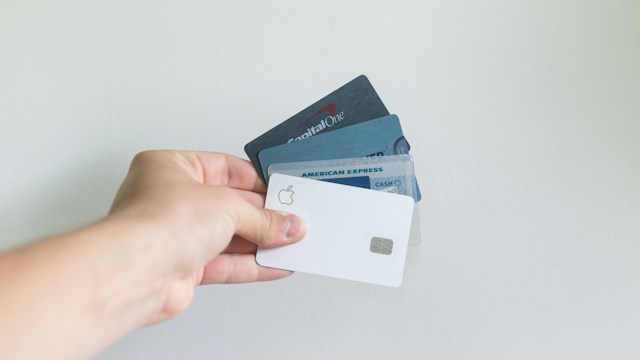
A thin credit file or a damaged score can block you from a car loan, an apartment, or even a cell phone plan. The frustrating part is that fixing it requires credit, and lenders will not extend credit until you fix it. A secured credit card to build credit is the most reliable way out of that loop. You put down a refundable deposit, the card reports to the credit bureaus like any other account, and within six to twelve months of responsible use most cardholders see a meaningful score improvement.
This guide explains how secured cards work, how to choose one, the habits that raise your score fastest and how to graduate to an unsecured card without closing your account.
How a Secured Credit Card Works
With a secured card, you deposit money with the issuer, usually between $200 and $2,500, and that deposit becomes your credit limit. The deposit protects the bank if you default, which is why approval is far easier than with a standard card. Beyond that, the card functions normally. You make purchases, receive a monthly statement, pay at least the minimum by the due date and pay interest on any balance you carry.
The critical feature is reporting. Every month the issuer sends your payment history, balance and credit limit to Equifax, Experian and TransUnion. That reporting is what builds your file. Prepaid debit cards look similar but report nothing, so they do nothing for your score.
Who Should Use a Secured Card
- Young adults and students with no credit history
- Recent immigrants who have no U.S. credit file
- Anyone recovering from bankruptcy, collections or charge-offs
- People who were denied for unsecured cards because of a low score
What to Look for in a Secured Card
Not all secured cards are equal. Compare these features before applying:
- Annual fee: Many of the best secured cards charge nothing. Avoid cards with monthly maintenance fees or application fees.
- Reporting to all three bureaus: This is non-negotiable. A card that reports to only one bureau builds only one-third of your file.
- Minimum deposit: A $200 minimum is common. Some issuers allow a lower deposit for a $200 limit if you qualify.
- Graduation path: The best issuers review your account after six to twelve months and upgrade you to an unsecured card, returning your deposit.
- Interest rate: Secured cards often carry APRs above 25 percent. This matters only if you carry a balance, which you should not.
How to Use a Secured Card to Build Credit Fast
Keep Utilization Low
Credit utilization, the percentage of your limit you are using, is the second-largest factor in your score. Keep your reported balance below 30 percent of your limit, and below 10 percent for the fastest gains. On a $300 limit, that means letting no more than $30 to $90 appear on your statement. You can make a payment before the statement closes to lower the reported balance.
Pay in Full, Every Month
Payment history is the single biggest scoring factor. One 30-day late payment can drop a score by 60 to 100 points and stays on your report for seven years. Set up autopay for at least the minimum, then pay the full statement balance manually so you never pay interest.
Use It Regularly but Lightly
Put one small recurring charge on the card, such as a streaming subscription, and pay it off each month. Activity keeps the account reporting, and consistent on-time payments are what lenders want to see.
Realistic Timeline
If you are starting with no credit file, you will typically have a FICO score after six months of reporting, often in the 600s if you have kept utilization low and paid on time. Someone rebuilding from a 550 score can reasonably expect to reach the mid-600s within a year, assuming no new negative marks. Reaching 700 and above depends on the age of your accounts and whether older derogatory items fall off your report.
Scores of 660 and above open the door to much better auto loan rates. For a detailed look at what lenders expect, see our guide on the credit score needed for car financing.
Graduating to an Unsecured Card
After six to twelve months of on-time payments, contact your issuer and ask about an upgrade. Many will convert the account to an unsecured card and refund your deposit while keeping the same account open. That matters because the account’s age continues to count toward your score. If your issuer does not offer graduation, apply for an unsecured card elsewhere once your score is in the mid-600s, then consider closing the secured card only after the new account is established. Do not close it before then, because losing the limit raises your utilization.
Common Mistakes to Avoid
- Maxing out the card, which signals risk even if you pay in full
- Missing a payment because you assumed the deposit covers it. It does not.
- Paying an annual fee when no-fee options exist
- Closing the card immediately after graduation
- Falling for “credit repair” cards that charge high fees and report to only one bureau
You are entitled to a free credit report from each bureau every week through the official site authorized by federal law. Check it regularly to confirm your secured card is reporting correctly and dispute any errors. The Consumer Financial Protection Bureau explains how to read your report and how to file a dispute.
Final Thoughts
Using a secured credit card to build credit is slow by design, but it works for nearly everyone who sticks to the rules. Choose a no-fee card that reports to all three bureaus, keep your balance tiny, pay in full every month and ask for an upgrade after a year. The deposit comes back, the account stays open and the score you build will save you thousands on every loan you take out afterward.
