




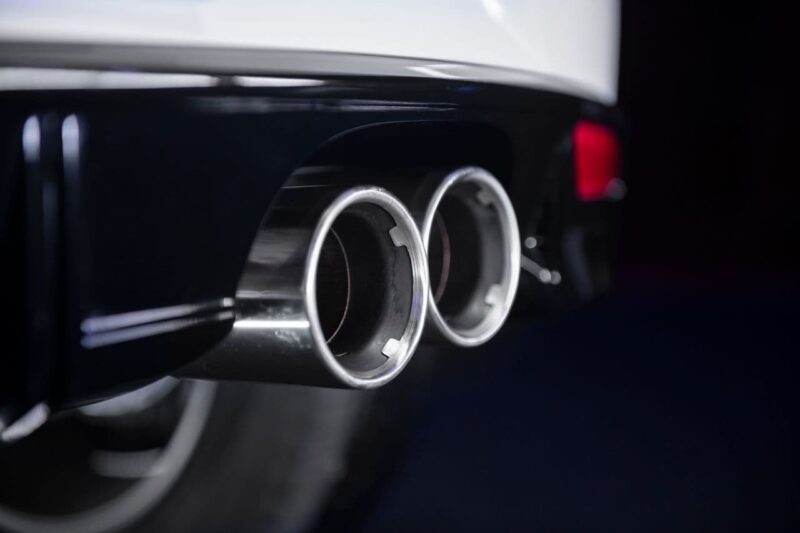
Many vehicle owners invest in performance upgrades to increase horsepower and improve driving enjoyment, but one benefit that often gets overlooked is fuel efficiency. A performance exhaust system can help your engine operate more efficiently by improving exhaust flow, which may contribute to better fuel economy under the right conditions.
While installing a performance exhaust won’t dramatically reduce fuel consumption on its own, it can improve engine efficiency and complement other upgrades. In this guide, we’ll explain how a performance exhaust works, its impact on fuel economy, and what to consider before making the upgrade.
What Is a Performance Exhaust System?
A performance exhaust system is designed to improve the flow of exhaust gases from the engine. Compared to many factory-installed systems, it typically features larger-diameter pipes, smoother bends, and less restrictive mufflers. These design changes reduce backpressure, allowing exhaust gases to exit the engine more efficiently.
Common components of a performance exhaust system include:
- Performance exhaust headers
- High-flow catalytic converters
- Mid-pipes
- Resonators
- Performance mufflers
- Larger exhaust pipes
- Polished exhaust tips
By improving airflow, the engine can operate more efficiently, which may positively affect both performance and fuel economy.
How Does a Performance Exhaust Improve Fuel Economy?
The engine functions as an air pump, drawing in fresh air and expelling exhaust gases. If exhaust gases cannot leave efficiently, the engine works harder during combustion.
A performance exhaust reduces restrictions, making it easier for the engine to expel exhaust gases. This improved flow can result in:
- Reduced engine workload
- Improved combustion efficiency
- Better throttle response
- More efficient fuel usage
The overall improvement in fuel economy depends on the vehicle, driving conditions, and the quality of the exhaust system.
Factors That Influence Fuel Savings
Although many drivers notice improved efficiency after installing a performance exhaust, results vary based on several factors.
Vehicle Type
Larger engines often experience more noticeable improvements because they produce greater exhaust flow. Smaller engines may still benefit, but the gains are usually more modest.
Driving Habits
Aggressive acceleration and high-speed driving can offset any fuel savings. Drivers who maintain steady speeds and smooth acceleration are more likely to see efficiency improvements.
Engine Condition
A well-maintained engine responds better to performance upgrades. Dirty air filters, worn spark plugs, or faulty oxygen sensors can reduce the effectiveness of a new exhaust system.
Supporting Modifications
A performance exhaust often works best when combined with other upgrades, such as:
- High-flow air intake systems
- Engine tuning
- Performance air filters
- Proper ignition maintenance
Together, these improvements help the engine breathe more efficiently.
Additional Benefits of a Performance Exhaust
While fuel economy is an attractive advantage, a performance exhaust offers several other benefits.
Improved Engine Performance
Reduced backpressure allows the engine to produce power more efficiently. Many drivers notice increased horsepower and torque, particularly during acceleration.
Better Throttle Response
Improved exhaust flow enables the engine to respond more quickly when you press the accelerator, making the vehicle feel more responsive.
Enhanced Exhaust Sound
One of the most popular reasons for upgrading is the improved exhaust note. Depending on the system, you can achieve a deeper, sportier, or more aggressive sound without compromising daily drivability.
Reduced Weight
Some aftermarket performance exhaust systems use lightweight materials such as stainless steel or titanium. Reducing vehicle weight can contribute to better overall efficiency and handling.
Improved Durability
High-quality aftermarket exhaust systems are often made from corrosion-resistant materials that last longer than some factory exhaust components.
Also Read: Forged Vs Cast Wheels – Guide
Types of Performance Exhaust Systems
Choosing the right exhaust system depends on your goals and budget.
Axle-Back Exhaust
This system replaces the muffler and tailpipe section.
Benefits include:
- Lower cost
- Improved sound
- Simple installation
Fuel economy improvements are generally modest.
Cat-Back Exhaust
A cat-back system replaces everything from the catalytic converter to the exhaust tips.
Advantages include:
- Better airflow
- Noticeable performance improvements
- Potential fuel economy gains
- Popular choice for daily drivers
Header-Back Exhaust
A header-back system replaces nearly the entire exhaust system.
Benefits include:
- Maximum airflow
- Significant performance improvements
- Greater customization
This option is commonly selected for heavily modified or high-performance vehicles.
How Much Fuel Economy Improvement Can You Expect?
A performance exhaust should not be viewed as a guaranteed way to dramatically lower fuel consumption. However, under the right conditions, some drivers report measurable improvements in fuel efficiency.
Potential results depend on:
- Vehicle make and model
- Engine size
- Exhaust design
- Driving style
- Vehicle maintenance
The greatest benefits are often seen when the exhaust upgrade is part of a broader vehicle maintenance and performance strategy.
Installation Considerations
Professional installation helps ensure your exhaust system performs as intended.
A qualified technician will:
- Verify proper fitment
- Check for exhaust leaks
- Ensure correct pipe alignment
- Secure all mounting points
- Confirm adequate clearance from suspension and body components
Proper installation helps maximize performance while reducing the likelihood of future repairs.
Maintaining a Performance Exhaust System
Routine maintenance helps preserve both performance and fuel efficiency.
Recommended maintenance includes:
- Inspecting for rust or corrosion
- Checking exhaust hangers and clamps
- Cleaning stainless steel exhaust tips
- Repairing leaks promptly
- Tightening loose mounting hardware
- Scheduling periodic inspections during routine vehicle service
Keeping the exhaust system in good condition ensures consistent airflow and long-term reliability.
Is a Performance Exhaust Worth It?
If your primary goal is fuel savings alone, a performance exhaust may not provide enough improvement to justify the upgrade. However, when combined with its additional benefits—including better engine performance, improved throttle response, enhanced sound, and increased durability—it can be a worthwhile investment for many drivers.
Drivers who value a more engaging driving experience while maintaining efficient engine operation often find that a quality performance exhaust delivers a balanced combination of performance and practicality.
Final Thoughts
A performance exhaust can contribute to improved fuel economy by reducing exhaust restrictions and helping the engine operate more efficiently. While the fuel savings are generally modest, the combined benefits of increased horsepower, smoother airflow, enhanced throttle response, and a more refined exhaust note make it a popular upgrade for many vehicle owners.
To achieve the best results, choose a high-quality exhaust system that is compatible with your vehicle, have it professionally installed, and maintain your engine according to the manufacturer’s recommendations. When paired with good driving habits and regular maintenance, a performance exhaust can enhance both efficiency and the overall driving experience.
