




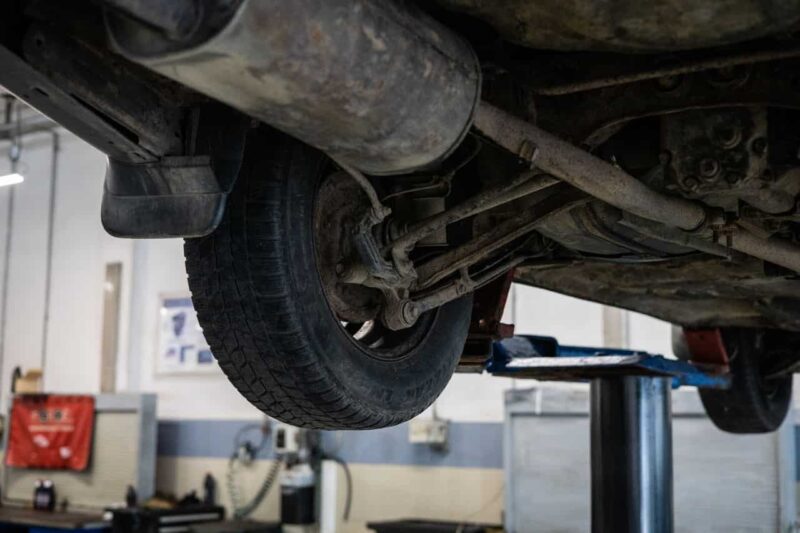
Wheel alignment is a critical part of vehicle maintenance that directly affects your car’s handling, tire life, fuel efficiency, and overall safety. Even a slight misalignment can cause your tires to wear unevenly, reduce driving comfort, and lead to expensive repairs if left uncorrected.
Many drivers don’t realize their vehicle needs an alignment until noticeable symptoms appear. Fortunately, recognizing the signs you need a wheel alignment can help you address the problem before it causes serious tire or suspension damage.
This guide explains the most common warning signs, what causes wheel alignment problems, and when you should schedule an alignment service.
What Is a Wheel Alignment?
A wheel alignment involves adjusting your vehicle’s suspension angles so the wheels are positioned according to the manufacturer’s specifications. Contrary to popular belief, the wheels themselves are not adjusted. Instead, technicians adjust suspension components that control wheel positioning.
Proper alignment helps ensure:
- Even tire wear
- Straight driving
- Better steering response
- Improved fuel economy
- Maximum tire lifespan
- Enhanced driving safety
Over time, normal driving, potholes, curbs, and suspension wear can cause your vehicle’s alignment to change.
1. Your Vehicle Pulls to One Side
One of the most common signs of poor wheel alignment is a vehicle that consistently pulls to the left or right while driving on a straight, level road.
Instead of maintaining a straight path, you may find yourself constantly correcting the steering wheel.
Although tire pressure differences or brake issues can also cause pulling, wheel alignment is one of the most frequent reasons.
2. Crooked Steering Wheel
When driving straight, your steering wheel should remain centered.
If the steering wheel appears tilted to one side while the vehicle is traveling straight, your alignment may be incorrect.
A crooked steering wheel often indicates that one or more wheel angles are outside the manufacturer’s specifications.
3. Uneven Tire Wear
Uneven tire wear is one of the clearest indicators of alignment problems.
Inspect your tires regularly for:
- Excessive inside edge wear
- Excessive outside edge wear
- Feathered tread
- Cupping
- Irregular tread patterns
Properly aligned wheels allow tires to contact the road evenly across the entire tread surface.
Ignoring uneven wear can significantly shorten tire life.
4. Steering Feels Loose
A vehicle with poor alignment may feel unstable or less responsive.
You might notice:
- Delayed steering response
- Wandering on the highway
- Difficulty maintaining a straight line
- Reduced steering precision
While suspension wear can also contribute to these symptoms, alignment should be checked as part of the diagnosis.
5. Steering Wheel Vibration
Vibration in the steering wheel is often associated with unbalanced wheels, but alignment issues may also contribute to abnormal steering behavior.
If vibration occurs together with uneven tire wear or pulling, an alignment inspection is recommended.
Persistent vibration should never be ignored because it may indicate tire, wheel, suspension, or steering problems.
6. Squealing Tires
Improper alignment can force the tires to travel at slightly different angles than intended.
This may create excessive friction between the tires and the road surface, occasionally producing squealing noises, particularly during low-speed turns.
Although squealing can have several causes, alignment should be considered during diagnosis.
7. Reduced Fuel Economy
Misaligned wheels increase rolling resistance.
When the tires don’t roll efficiently, the engine must work harder to move the vehicle, potentially increasing fuel consumption.
While many factors influence fuel economy, correcting alignment can improve efficiency when misalignment is the underlying cause.
Also Read: Hybrid Engine Maintenance
8. Poor Handling
A properly aligned vehicle feels stable and predictable.
Poor alignment may result in:
- Reduced cornering stability
- Less precise steering
- Difficulty maintaining lane position
- Unstable highway driving
- Reduced overall confidence behind the wheel
If your vehicle suddenly feels different to drive, have it inspected promptly.
9. Recent Impact With a Pothole or Curb
Even if your vehicle seems to drive normally, a hard impact can knock the suspension out of alignment.
Common causes include:
- Hitting a pothole
- Striking a curb
- Driving over road debris
- Minor collisions
- Rough roads
If you experience a significant impact, consider having your alignment checked even if no obvious symptoms appear immediately.
10. New Tires Are Wearing Prematurely
New tires should wear evenly over their expected lifespan.
If recently installed tires begin showing uneven wear after only a short period, improper alignment may be responsible.
Correcting the alignment early helps protect your investment and maximizes tire life.
What Causes Wheel Misalignment?
Several factors can affect wheel alignment over time.
Common causes include:
- Potholes
- Curb impacts
- Road debris
- Worn suspension components
- Worn steering parts
- Vehicle accidents
- Lift or lowering modifications
- Normal suspension wear
Even everyday driving gradually changes suspension geometry as components age.
What Happens If You Ignore Alignment Problems?
Driving with poor alignment can lead to more than just uneven tire wear.
Potential consequences include:
- Premature tire replacement
- Reduced fuel efficiency
- Poor steering control
- Longer stopping distances
- Increased suspension wear
- Greater stress on steering components
- Less comfortable driving
Replacing a full set of tires costs far more than a routine wheel alignment, making preventive maintenance a smart investment.
How Often Should You Get a Wheel Alignment?
There is no universal schedule for every vehicle, but many experts recommend checking alignment:
- Once a year
- After replacing tires
- After suspension repairs
- After hitting a large pothole
- Following a curb impact
- Whenever steering feels abnormal
- If uneven tire wear appears
Regular inspections help detect small alignment changes before they become expensive problems.
How Is a Wheel Alignment Performed?
Modern repair shops use computerized alignment equipment to measure wheel angles with high precision.
During the service, technicians typically:
- Inspect suspension and steering components.
- Measure current alignment angles.
- Adjust suspension settings to manufacturer specifications.
- Center the steering wheel.
- Verify final measurements.
Many repair facilities provide a before-and-after alignment report showing the completed adjustments.
Can You Drive With Bad Alignment?
A vehicle with minor alignment issues may still be drivable, but delaying repairs is not recommended.
Continuing to drive with poor alignment increases tire wear and may eventually affect vehicle handling and braking performance.
If your vehicle pulls significantly, has severe tire wear, or feels unstable, have it inspected as soon as possible.
How to Prevent Alignment Problems
While normal wear cannot be completely avoided, you can reduce the likelihood of alignment issues by:
- Avoiding potholes whenever possible
- Slowing down on rough roads
- Avoiding curbs during parking
- Maintaining proper tire pressure
- Rotating tires regularly
- Inspecting suspension components during routine maintenance
- Addressing steering or suspension problems promptly
Preventive maintenance helps extend the life of both your tires and suspension system.
Final Thoughts
Recognizing the signs you need a wheel alignment can save you money and improve driving safety. A vehicle that pulls to one side, a crooked steering wheel, uneven tire wear, steering vibration, poor handling, and reduced fuel economy are all common indicators that your alignment may be out of specification.
Don’t ignore these warning signs. Scheduling a professional wheel alignment at the first sign of trouble can extend tire life, improve fuel efficiency, enhance steering response, and provide a safer, more comfortable driving experience. Regular alignment checks, especially after hitting potholes or installing new tires, are a simple investment that helps keep your vehicle performing at its best.
