




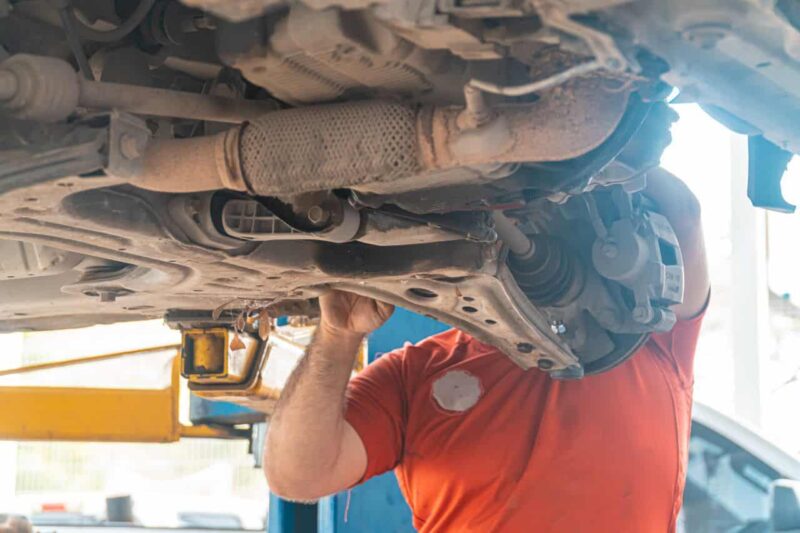
A catalytic converter is one of the most important components of your vehicle’s exhaust system. It plays a critical role in reducing harmful emissions and ensuring your car complies with environmental regulations. Over time, however, catalytic converters can become clogged, damaged, or stolen, making catalytic converter replacement necessary.
In this guide, we’ll explain what a catalytic converter does, signs that it needs replacement, replacement costs, and how to choose the right one for your vehicle.
What Is a Catalytic Converter?
A catalytic converter is an emissions control device installed between the engine and the muffler. Its primary function is to convert harmful gases produced during combustion into less harmful emissions before they leave the exhaust pipe.
It helps reduce pollutants such as:
- Carbon monoxide (CO)
- Hydrocarbons (HC)
- Nitrogen oxides (NOx)
Without a properly functioning catalytic converter, your vehicle will emit significantly more pollution and may fail emissions testing.
Signs You Need a Catalytic Converter Replacement
Recognizing the symptoms of a failing catalytic converter can help you avoid costly engine damage and poor vehicle performance.
1. Check Engine Light
One of the earliest signs is an illuminated check engine light. Fault codes related to the oxygen sensors or catalytic converter efficiency often indicate a problem.
2. Reduced Engine Performance
A clogged catalytic converter restricts exhaust flow, causing your engine to lose power. You may notice slow acceleration, poor throttle response, or difficulty climbing hills.
3. Poor Fuel Economy
When exhaust gases cannot flow properly, the engine has to work harder, resulting in increased fuel consumption.
4. Rotten Egg Smell
A sulfur or rotten egg odor from the exhaust usually indicates the catalytic converter is no longer processing gases effectively.
5. Rattling Noise
Internal components inside the converter can break apart due to age or impact. This often creates a rattling sound when driving or starting the engine.
6. Failed Emissions Test
If your vehicle fails an emissions inspection, a worn-out catalytic converter could be the cause.
Common Causes of Catalytic Converter Failure
Several factors can shorten the lifespan of a catalytic converter, including:
- Engine misfires
- Oil leaks
- Coolant leaks into the combustion chamber
- Rich air-fuel mixtures
- Physical damage from road debris
- Long-term wear and tear
- Theft
Fixing underlying engine issues before installing a new catalytic converter is essential to prevent premature failure.
Also Read: Best Alloy Wheels Brands
How Much Does Catalytic Converter Replacement Cost?
The cost of catalytic converter replacement depends on several factors, including your vehicle’s make and model, labor charges, and whether you choose an OEM or aftermarket part.
Typical cost ranges include:
- Economy vehicles: $500–$1,200
- Mid-size vehicles: $800–$2,000
- Luxury or performance vehicles: $2,000–$4,000 or more
Labor usually takes between one and three hours, depending on the complexity of the exhaust system.
OEM vs. Aftermarket Catalytic Converters
When replacing your catalytic converter, you’ll generally choose between OEM and aftermarket options.
OEM Catalytic Converters
Original Equipment Manufacturer (OEM) converters are designed specifically for your vehicle.
Advantages include:
- Perfect fit
- Reliable performance
- Longer lifespan
- Manufacturer warranty
However, they are usually more expensive.
Aftermarket Catalytic Converters
Aftermarket converters are produced by third-party manufacturers.
Benefits include:
- Lower cost
- Wide availability
- Suitable for many vehicles
Be sure to choose a high-quality, emissions-compliant converter to ensure proper performance and legal compliance.
Can You Drive with a Bad Catalytic Converter?
Technically, you may still be able to drive your vehicle with a failing catalytic converter, but it is not recommended.
Driving with a damaged converter can lead to:
- Engine overheating
- Reduced fuel efficiency
- Poor acceleration
- Increased emissions
- Potential engine damage
Prompt replacement helps maintain vehicle performance and prevents more expensive repairs.
How Long Does a Catalytic Converter Last?
A properly maintained catalytic converter can last between 70,000 and 100,000 miles, although many last much longer.
Its lifespan depends on:
- Driving habits
- Engine maintenance
- Fuel quality
- Road conditions
- Engine health
Regular maintenance significantly extends the life of both the engine and the catalytic converter.
Tips for Extending Catalytic Converter Life
You can maximize the lifespan of your catalytic converter by following these maintenance practices:
- Repair engine misfires immediately.
- Fix oil and coolant leaks.
- Use high-quality fuel.
- Replace spark plugs as recommended.
- Maintain proper engine tuning.
- Address check engine lights promptly.
- Avoid driving over large road debris.
Preventive maintenance is far less expensive than replacing a damaged converter.
Is Catalytic Converter Replacement Worth It?
Absolutely. Replacing a faulty catalytic converter restores engine performance, improves fuel efficiency, reduces emissions, and ensures your vehicle meets legal environmental standards.
Benefits include:
- Better acceleration
- Improved fuel economy
- Lower emissions
- Quieter exhaust operation
- Passing emissions inspections
- Increased vehicle value
Ignoring the problem often leads to more serious engine and exhaust system damage.
Choosing the Right Repair Shop
When selecting a repair shop for catalytic converter replacement, consider the following:
- Certified technicians
- Experience with your vehicle brand
- Warranty on parts and labor
- Transparent pricing
- Positive customer reviews
Always request a detailed estimate before authorizing repairs.
Final Thoughts
Catalytic converter replacement is an essential repair that protects your vehicle’s performance and the environment. Whether your converter has failed due to age, contamination, or theft, replacing it promptly helps restore fuel efficiency, reduce harmful emissions, and prevent costly engine problems.
If you notice symptoms such as poor acceleration, unusual exhaust odors, or a persistent check engine light, have your vehicle inspected by a qualified technician. Investing in a quality catalytic converter replacement ensures reliable performance, legal compliance, and long-term peace of mind.
