




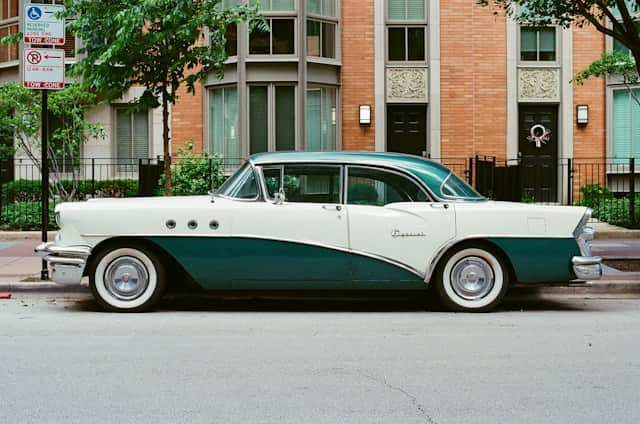
A classic car is more than transportation. It might be a fully restored 1967 Mustang, a survivor-condition Datsun 240Z, or the pickup your grandfather drove for forty years. Whatever sits in your garage, insuring it with a standard auto policy can leave you dangerously underprotected. Classic car insurance is built specifically for collector vehicles, and its most important feature, agreed value coverage, can mean the difference between a fair payout and a heartbreaking loss. This guide explains how classic car insurance works, who qualifies, what it costs, and how to choose the right policy.
What Is Classic Car Insurance?
Classic car insurance, sometimes called collector car insurance, is a specialty policy for vehicles that are owned primarily for enjoyment, display and occasional driving rather than daily commuting. Because these cars are driven less, stored carefully and usually appreciate in value instead of depreciating, insurers can offer broader protection at a lower premium than a typical auto policy.
The biggest difference lies in how a claim is valued. A standard policy pays the car’s actual cash value, which assumes your vehicle loses value every year. That approach makes sense for a five-year-old sedan. It makes no sense for a restored muscle car that is worth more today than when you bought it.
Agreed Value vs. Stated Value vs. Actual Cash Value
Understanding these three valuation methods is essential before you buy any policy:
- Agreed value: You and the insurer agree on the car’s worth when the policy starts, usually supported by photos, receipts or an appraisal. If the car is totaled or stolen, you receive that full amount, minus any deductible if one applies. There is no depreciation and no argument after the loss.
- Stated value: You state a value, but the insurer pays the lesser of that number or the actual cash value at the time of loss. Many owners do not realize this until a claim is filed.
- Actual cash value: The replacement cost minus depreciation. For collector vehicles, this almost always results in a payout far below the car’s true market value.
For most collectors, agreed value coverage is the clear choice. Always confirm the exact wording in the policy before you sign.
Does Your Car Qualify?
Eligibility rules vary by insurer, but most look at both the vehicle and how you use it.
Vehicle Requirements
- Age: Many carriers define classics as roughly 20 to 25 years or older, while antiques are often 45 years or older. Some insurers also cover newer exotics, limited-production models and modern collectibles.
- Condition: The car should be well maintained, restored or in original collectible condition. Project cars may qualify under special restoration coverage.
- Modified vehicles: Restomods, hot rods and custom builds are often eligible, but you should document every upgrade so the agreed value reflects the work.
Usage and Driver Requirements
- Limited mileage: Policies often cap annual driving, with tiers commonly ranging from about 1,000 to 7,500 miles or more.
- Secure storage: Most insurers require a locked, enclosed garage or storage unit.
- Another daily vehicle: You usually need a separate car insured for everyday use for every licensed driver in the household.
- Clean driving record: Recent major violations or at-fault accidents can disqualify you.
- No commuting: Using the car for work commutes, errands or ride-share is generally excluded.
What Does Classic Car Insurance Cover?
A quality collector policy typically includes the standard protections you would expect, plus benefits tailored to enthusiasts:
- Liability coverage for injuries and property damage you cause to others.
- Comprehensive and collision at the agreed value.
- Spare parts coverage for rare components stored in your garage.
- Flatbed towing and roadside assistance, so your car is never towed with a hook that could damage the frame or bodywork.
- Restoration or under-construction coverage that increases the insured value as work progresses.
- Car show and club event coverage, including damage while on display.
- Inflation guard options that automatically raise your agreed value as the market climbs.
- Choice of repair shop, allowing you to use a specialist who understands original parts and finishes.
Some policies also offer zero-deductible options and coverage when your car is being shipped to an auction or rally.
How Much Does Classic Car Insurance Cost?
Because collector cars are driven sparingly and treated with care, premiums are frequently lower than a comparable standard policy, sometimes by a substantial margin. Your actual rate depends on:
- The agreed value of the vehicle.
- Your annual mileage tier.
- Your driving history and age.
- Where you live and how the car is stored.
- Your chosen deductible and optional coverages.
High-value exotics and rare models can carry higher premiums, but many owners of typical classics pay noticeably less than they would to insure a modern daily driver.
How to Determine Your Car’s Agreed Value
Setting the right agreed value protects you from being underinsured or overpaying. Follow these steps:
- Research current market prices. Free tools like the Hagerty valuation tools track auction results and private sales for thousands of collector models.
- Grade your car honestly. Values differ widely between concours, excellent, good and fair condition.
- Document restoration costs. Keep receipts, build sheets and before-and-after photos.
- Get a professional appraisal for rare, heavily modified or high-value vehicles.
- Review every year. Collector markets move, and your agreed value should keep pace.
Tips for Choosing the Right Policy
- Compare specialty insurers with mainstream carriers that offer collector programs.
- Read the valuation clause to confirm it is true agreed value, not stated value.
- Ask about mileage flexibility if you attend long-distance shows or tours.
- Check restoration coverage if your car is still a work in progress.
- Bundle multiple collector cars for possible multi-vehicle discounts.
- Join a car club, since some insurers offer membership discounts.
Collectors bringing in JDM legends or European classics should line up coverage before the car lands. Our guide on how to import a car from Japan walks through the full process, from auction to registration.
Final Thoughts
Your classic car represents years of passion, money and effort. Protecting it with a standard policy that pays depreciated value is a risk no serious collector should take. Classic car insurance with agreed value coverage gives you predictable payouts, specialist repairs, flatbed towing and often lower premiums. Document your vehicle, set an honest value, compare quotes, and enjoy every mile knowing your investment is properly protected.
This article is for general information only. Coverage terms vary by insurer and state, so review your policy documents and speak with a licensed agent before buying.
