




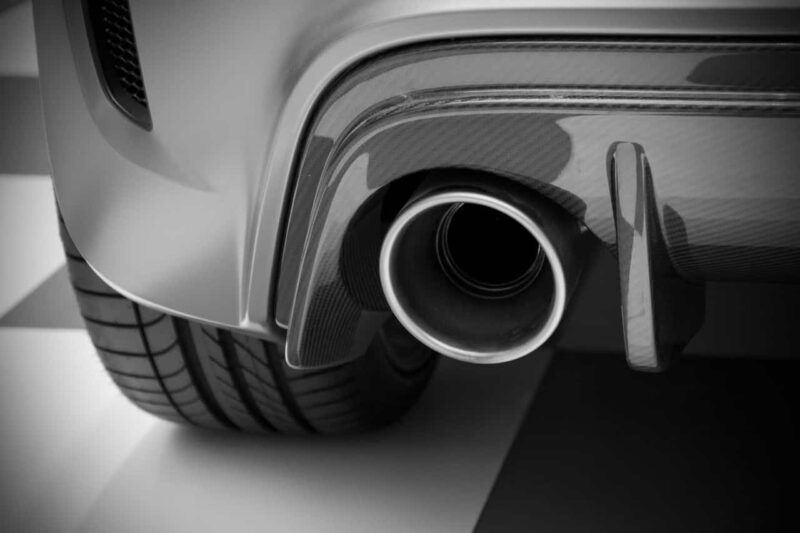
A properly functioning muffler is essential for a quiet, efficient, and safe driving experience. As one of the key components of your vehicle’s exhaust system, the muffler reduces engine noise while helping direct exhaust gases away from the engine and passenger cabin. Over time, exposure to heat, moisture, road debris, and corrosion can cause the muffler to wear out, making muffler replacement necessary.
Ignoring a damaged muffler can lead to increased noise, poor fuel efficiency, reduced engine performance, and even safety concerns. In this guide, you’ll learn what a muffler does, signs that it needs replacement, the replacement process, costs, and maintenance tips to help extend its lifespan.
What Is a Muffler?
A muffler is a metal chamber located near the rear of your vehicle’s exhaust system. Its primary purpose is to reduce the noise created by exhaust gases as they leave the engine. Inside the muffler are chambers and tubes designed to cancel out sound waves while allowing exhaust gases to flow efficiently.
Modern mufflers are engineered to provide a balance between noise reduction, engine performance, and emissions compliance. A damaged or clogged muffler can disrupt this balance, affecting both comfort and vehicle operation.
Signs You Need a Muffler Replacement
Knowing the warning signs of a failing muffler can help you avoid more extensive exhaust system repairs.
Excessive Exhaust Noise
One of the most obvious symptoms is a louder-than-normal exhaust sound. If your vehicle suddenly becomes much noisier, the muffler may have developed rust holes or internal damage.
Rust and Corrosion
Because the muffler is constantly exposed to moisture, road salt, and extreme temperatures, rust is one of the most common reasons for replacement. Visible corrosion or holes usually indicate that the muffler has reached the end of its service life.
Rattling Sounds
A rattling noise underneath the vehicle often means that internal baffles inside the muffler have become loose or broken. This typically requires replacing the muffler rather than repairing it.
Reduced Fuel Efficiency
A damaged or clogged muffler can restrict exhaust flow, forcing the engine to work harder. This may lead to reduced fuel economy and lower overall efficiency.
Vibrations
If you notice unusual vibrations while driving or idling, the muffler or its mounting brackets may be loose or damaged.
Exhaust Odors
A leaking muffler may allow exhaust gases to escape before reaching the tailpipe. If you smell exhaust inside or around the vehicle, have the exhaust system inspected immediately.
Common Causes of Muffler Damage
Several factors contribute to muffler failure over time.
Moisture Buildup
Short trips often prevent the exhaust system from reaching temperatures high enough to evaporate moisture. This trapped moisture can lead to internal rust.
Road Salt and Weather
Vehicles driven in snowy or coastal areas are more susceptible to corrosion due to exposure to salt and humidity.
Physical Impact
Driving over speed bumps, potholes, or road debris can dent or crack the muffler and exhaust pipes.
Age and Wear
Like any automotive component, mufflers naturally wear out after years of exposure to heat cycles and constant vibration.
Benefits of Replacing a Damaged Muffler
Replacing a worn or damaged muffler offers several important advantages.
Reduced Noise
A new muffler restores your vehicle’s original sound level, providing a quieter and more comfortable driving experience.
Improved Engine Performance
Proper exhaust flow allows the engine to operate more efficiently, helping maintain smooth acceleration and consistent power delivery.
Better Fuel Economy
An unrestricted exhaust system reduces engine strain, which may contribute to improved fuel efficiency.
Enhanced Safety
Replacing a leaking muffler helps prevent exhaust gases, including carbon monoxide, from entering the passenger cabin.
Lower Emissions
A properly functioning exhaust system supports efficient engine operation and helps your vehicle meet emissions standards.
Also Read: Catalytic converter replacement
Muffler Replacement Process
Professional muffler replacement typically follows several steps.
Vehicle Inspection
The technician examines the entire exhaust system to identify rust, leaks, damaged pipes, and worn mounting hardware.
Removing the Old Muffler
The damaged muffler is disconnected by removing clamps, cutting rusted pipes if necessary, or separating welded joints.
Installing the New Muffler
The replacement muffler is aligned with the existing exhaust system and secured using clamps or welding, depending on the vehicle’s design.
Leak Testing
After installation, the technician starts the engine and checks for exhaust leaks, proper alignment, and secure mounting.
How Much Does Muffler Replacement Cost?
The cost of muffler replacement varies depending on the vehicle, replacement part, and labor charges.
Typical price ranges include:
- Economy vehicles: $150–$400
- Mid-size cars and SUVs: $250–$700
- Performance or luxury vehicles: $500–$1,200 or more
The final cost may increase if additional exhaust components, such as pipes or hangers, also require replacement.
OEM vs. Aftermarket Mufflers
When replacing your muffler, you’ll usually choose between original equipment manufacturer (OEM) and aftermarket options.
OEM Mufflers
OEM mufflers are designed specifically for your vehicle and offer:
- Factory fit
- Original sound level
- Reliable durability
- Manufacturer warranty
Aftermarket Mufflers
Aftermarket mufflers provide additional options for performance and sound.
Benefits include:
- Lower purchase price
- Improved exhaust tone
- Increased airflow in some designs
- Wide variety of styles and finishes
Selecting a reputable brand ensures quality and long-term reliability.
How to Extend the Life of Your Muffler
Proper maintenance can help maximize the lifespan of your muffler.
Helpful tips include:
- Wash the underside of your vehicle regularly to remove road salt.
- Avoid driving through deep standing water whenever possible.
- Inspect the exhaust system during routine maintenance.
- Repair exhaust leaks promptly.
- Replace worn exhaust hangers before they cause additional damage.
- Address unusual noises as soon as they appear.
Routine inspections can help identify small issues before they become expensive repairs.
Should You Replace the Muffler Yourself?
Some bolt-on mufflers can be installed by experienced DIY enthusiasts with the right tools. However, many muffler replacements require cutting, welding, or working with rusted exhaust components.
Professional installation offers several advantages:
- Proper fitment
- Leak-free connections
- Correct alignment
- Secure mounting
- Compliance with manufacturer specifications
Choosing professional installation can also help prevent premature wear caused by improper installation.
Final Thoughts
Muffler replacement is an important part of maintaining your vehicle’s exhaust system. A worn or damaged muffler can increase noise, reduce engine efficiency, and create safety concerns if left unaddressed. Replacing it promptly restores quiet operation, supports proper exhaust flow, and helps protect both your engine and passengers.
Whether you choose an OEM replacement or an aftermarket upgrade, investing in a high-quality muffler and ensuring professional installation will provide long-lasting performance, improved comfort, and dependable reliability. Regular inspections and routine maintenance will help keep your exhaust system in excellent condition for years to come.
