




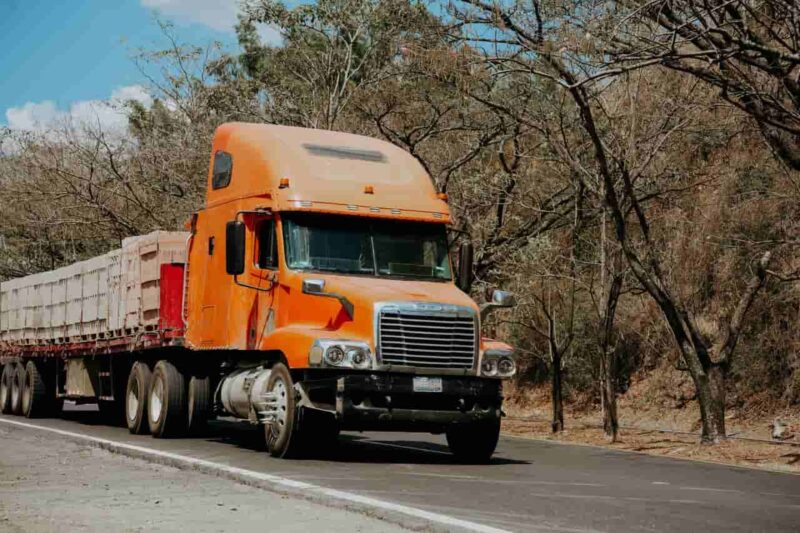
A diesel particulate filter, commonly known as a DPF, is an important component of modern diesel vehicles. Its main purpose is to capture soot and particulate matter from exhaust gases before they are released into the atmosphere. Over time, the filter becomes filled with soot and ash, which can restrict exhaust flow and affect engine performance.
When this happens, diesel particulate filter repair may be required. Depending on the condition of the filter, a professional technician may recommend regeneration, DPF cleaning, sensor replacement, or complete filter replacement.
Understanding the warning signs and repair options can help vehicle owners avoid expensive engine and exhaust system damage.
Common Signs of a Blocked or Faulty DPF
A DPF usually provides warning signs when it is becoming blocked or is not operating correctly. Recognizing these symptoms early can prevent a minor problem from becoming a major repair.
DPF Warning Light
One of the most common signs is a DPF warning light on the dashboard. This indicates that the filter has accumulated excessive soot or that the vehicle’s emissions system has detected a problem.
Reduced Engine Performance
A blocked DPF can restrict exhaust flow, causing reduced acceleration and power. Some vehicles may enter limp mode to protect the engine and emissions system.
Increased Fuel Consumption
When the DPF is struggling to regenerate, the engine may use more fuel. Frequent regeneration cycles can also increase fuel consumption.
Difficulty Starting
In severe cases, excessive exhaust restriction can contribute to starting problems. If the DPF is heavily blocked, professional inspection should be carried out as soon as possible.
Excessive Exhaust Smoke
Unusual smoke or changes in exhaust behavior can indicate a problem with the DPF, fuel system, or another component of the emissions system.
What Causes DPF Problems?
Several factors can cause a diesel particulate filter to become blocked or damaged. One of the biggest causes is frequent short-distance driving. DPF systems rely on high exhaust temperatures to burn accumulated soot during regeneration. Short journeys may prevent the exhaust from reaching the required temperature.
Other possible causes include faulty sensors, injector problems, turbocharger issues, excessive oil consumption, poor-quality fuel, and incorrect engine operation.
Ash accumulation is another important factor. Unlike soot, ash cannot normally be burned away during standard regeneration. As ash builds up, professional DPF cleaning may eventually be necessary.
How Does Diesel Particulate Filter Repair Work?
The appropriate repair depends on the condition and cause of the problem. A professional technician should diagnose the vehicle before deciding which solution is suitable.
DPF Regeneration
Regeneration is often the first solution when a filter is moderately blocked with soot. During regeneration, exhaust temperatures are increased to burn the accumulated soot and restore airflow through the filter.
Some vehicles perform regeneration automatically, while others may require a controlled or forced regeneration using diagnostic equipment.
Professional DPF Cleaning
If the filter contains significant ash or cannot be restored through normal regeneration, professional DPF cleaning may be recommended. Specialized equipment can remove accumulated deposits and restore the filter’s ability to flow exhaust gases.
Proper cleaning can be considerably more affordable than replacing a DPF, particularly when the filter itself is still structurally sound.
Sensor or Component Repair
A DPF problem is not always caused by the filter itself. Pressure sensors, temperature sensors, exhaust gas recirculation components, injectors, or other engine parts may cause incorrect DPF readings or failed regeneration.
Replacing the faulty component may resolve the problem without replacing the entire filter.
DPF Replacement
If a DPF is cracked, melted, severely damaged, or beyond effective cleaning, replacement may be necessary. A replacement filter can be expensive, making accurate diagnosis particularly important.
Also Read: F150 Starter Repair
How Much Does DPF Repair Cost?
The cost of diesel particulate filter repair varies depending on the vehicle, the cause of the problem, the condition of the filter, and the type of repair required.
A simple diagnostic check or sensor replacement is generally less expensive than professional DPF cleaning. A complete DPF replacement can be significantly more costly.
For this reason, it is important to have the vehicle properly diagnosed before purchasing a replacement filter. Repairing the underlying issue can also help prevent the new or cleaned DPF from becoming blocked again.
How to Prevent DPF Problems
Regular maintenance can significantly reduce the risk of DPF problems. Follow the vehicle manufacturer’s recommended servicing schedule and use the correct engine oil and fuel.
Avoid using a diesel vehicle exclusively for very short journeys. When appropriate and permitted by the vehicle manufacturer, longer drives at steady speeds can help the exhaust system reach the temperatures required for regeneration.
It is also important to address engine warning lights promptly. Problems with fuel injectors, turbochargers, sensors, or exhaust gas recirculation systems can contribute to DPF failure if left untreated.
Why Professional DPF Repair Matters
Attempting to ignore a DPF warning or repeatedly forcing regeneration without identifying the underlying problem can lead to further damage. Professional diagnosis can determine whether the issue is caused by soot buildup, ash accumulation, a sensor fault, or another mechanical problem.
A qualified technician can inspect the filter, check diagnostic fault codes, measure exhaust back pressure, and assess related components before recommending a repair.
Conclusion
Diesel particulate filter repair can involve regeneration, professional cleaning, sensor replacement, or complete DPF replacement. The right solution depends on the cause and severity of the problem.
Recognizing symptoms such as a DPF warning light, reduced performance, increased fuel consumption, and regeneration issues can help prevent more serious damage. Regular servicing and addressing engine or emissions problems early are also essential for maintaining a healthy DPF system.
If your diesel vehicle is showing signs of a blocked or faulty DPF, professional diagnosis is the best starting point. Early attention can often save money, improve vehicle performance, and help keep the emissions system operating efficiently.
Frequently Asked Questions
Can a blocked DPF be repaired?
Yes. Depending on its condition, a blocked DPF may be restored through regeneration or professional cleaning. If the filter is physically damaged, replacement may be required.
How long does DPF cleaning take?
The time required depends on the cleaning method, filter condition, and vehicle. A professional workshop can provide a more accurate estimate after inspecting the DPF.
Can I drive with a DPF warning light on?
Driving with a DPF warning light should not be ignored. Continuing to drive with a severely blocked filter can cause additional problems. Check the vehicle manufacturer’s guidance and have the system inspected if the warning remains.
Is DPF cleaning better than replacement?
When the filter is structurally sound, professional cleaning can be a cost-effective alternative to replacement. However, a damaged or severely deteriorated filter may need to be replaced.
