




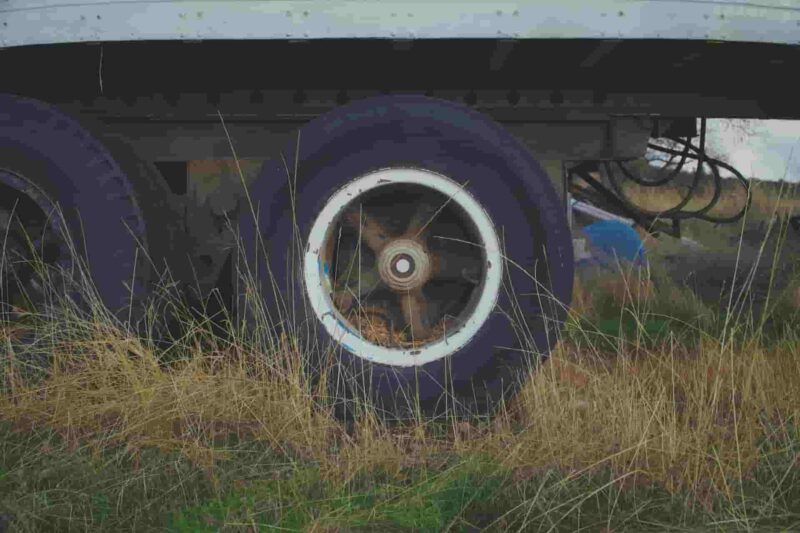
Semi trucks travel thousands of miles under demanding conditions, making tire maintenance an essential part of safe and efficient transportation. A damaged or underinflated tire can affect handling, fuel economy, braking performance, and overall vehicle safety. In severe cases, a tire failure can leave a truck stranded on the road and cause costly delays.
Understanding semi truck tire repair can help drivers and fleet operators recognize tire problems early and take the appropriate action before a minor issue becomes a major breakdown.
Common Semi Truck Tire Problems
Semi truck tires are exposed to heavy loads, long driving distances, temperature changes, road debris, and uneven road surfaces. These conditions can cause several types of damage.
Tire Punctures
Punctures caused by nails, screws, metal fragments, and other road debris are among the most common tire problems. A small puncture may initially cause a slow air leak, allowing the driver to continue driving without immediately noticing the problem.
However, operating a truck with a leaking tire can cause additional damage. As air pressure decreases, heat buildup and sidewall stress can increase, potentially resulting in a more serious tire failure.
Sidewall Damage
Cuts, cracks, bulges, and punctures on the sidewall require particular attention. Unlike certain tread-area punctures, sidewall damage is often not safely repairable. A professional tire technician should inspect the tire and determine whether it can remain in service.
Uneven Tire Wear
Uneven wear can result from improper tire inflation, alignment problems, suspension issues, overloaded axles, or other mechanical conditions. Simply replacing a worn tire may not solve the problem if the underlying cause remains.
Blowouts
A blowout can occur when a tire becomes severely damaged or overheated. Underinflation, excessive loads, worn tread, and road hazards can increase the risk. A commercial truck tire blowout can be particularly dangerous because of the vehicle’s size, weight, and speed.
Also Read: Toyota Tundra Radiator Repair
When Does a Semi Truck Tire Need Repair?
Not every damaged tire should be repaired. The location and severity of the damage are important factors.
A professional technician should inspect the tire before deciding whether repair is appropriate. Tread-area punctures may sometimes be repairable when the damage meets accepted safety and repair criteria. Sidewall damage, extensive cuts, exposed cords, severe separation, or other structural damage may require tire replacement instead.
Driving on a damaged tire simply because it still holds air can be dangerous. A tire may have internal damage that is not visible from the outside.
The Semi Truck Tire Repair Process
Professional semi truck tire repair typically begins with a thorough inspection.
1. Tire Inspection
The technician checks the tread, sidewalls, bead area, valve, and overall condition of the tire. They also look for additional damage that may have occurred after the original puncture.
2. Locate the Leak
If the tire is losing air, the technician identifies the source of the leak. The problem could be a puncture, valve issue, bead leak, or another condition.
3. Determine Whether Repair Is Safe
The technician evaluates the size and location of the damage and determines whether the tire meets applicable repair requirements.
4. Perform the Appropriate Repair
When a tire is suitable for repair, the technician uses an appropriate commercial tire repair procedure and materials. The goal is to restore the tire while maintaining its structural integrity.
5. Inflate and Inspect
After the repair, the tire is inflated to the appropriate pressure and inspected again to ensure the repair is secure and the tire is suitable for continued service.
Why Tire Pressure Matters
Correct tire pressure is one of the most important aspects of commercial truck tire maintenance. Underinflation can increase rolling resistance, heat buildup, tread wear, and fuel consumption. Overinflation can also affect handling and tire wear.
Drivers should check tire pressure regularly and follow the vehicle and tire manufacturer’s recommendations. Tire pressure should be checked with an accurate gauge, preferably when the tires are appropriately cool.
Tire pressure monitoring systems can also help identify pressure problems before they become severe.
Semi Truck Tire Repair on the Road
A tire problem does not always happen at a convenient location. Commercial drivers may experience punctures or tire failures on highways, at loading facilities, or in remote areas.
When a tire problem occurs while driving, safety should come first. Move the truck to a safe location whenever possible and activate the appropriate warning equipment. Avoid attempting a roadside repair in an unsafe position, particularly on a busy highway.
A professional semi truck roadside tire repair service can inspect the tire, repair it when appropriate, or replace it if necessary. Mobile commercial tire services can be especially useful for fleets that need to minimize downtime.
How Much Does Semi Truck Tire Repair Cost?
The cost of semi truck tire repair varies depending on the type of damage, tire size, location, service provider, and whether roadside assistance is required.
A simple repair at a tire facility may cost significantly less than emergency roadside service. If the tire cannot be repaired and needs replacement, the total cost will depend on the tire brand, size, specifications, and installation requirements.
For accurate pricing, truck owners should provide the tire size and describe the damage when contacting a tire service provider.
Preventing Semi Truck Tire Damage
Preventive maintenance can reduce the likelihood of unexpected tire failures. Drivers and fleet managers should regularly inspect tires for:
- Low or uneven tire pressure
- Uneven tread wear
- Cuts and punctures
- Sidewall damage
- Bulges or cracks
- Missing valve caps
- Excessive tread wear
- Signs of overheating
Regular wheel alignment, suspension inspections, and proper load management can also contribute to longer tire life.
Final Thoughts
Reliable tires are essential for the safety, performance, and productivity of every semi truck. Knowing when to seek semi truck tire repair can help prevent minor tire problems from becoming expensive breakdowns.
Whether the issue is a puncture, slow leak, uneven wear, or roadside tire failure, professional inspection is the safest way to determine the appropriate solution. Regular tire inspections and proper inflation can further reduce downtime and help commercial trucks stay safely on the road.
