




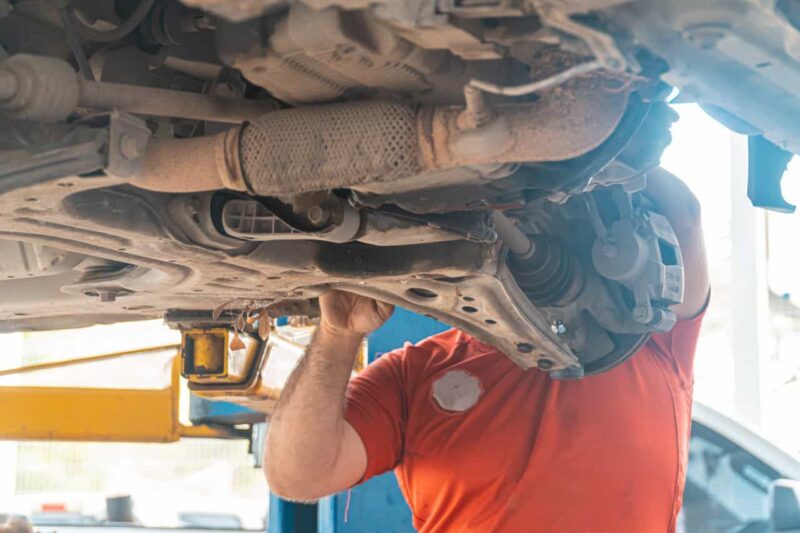
When your car needs an unexpected repair, the cost can quickly become overwhelming. A broken alternator, damaged transmission, failed water pump, or major engine problem can cost hundreds or even thousands of dollars. If you are living on a tight budget, you may wonder what to do if you cannot afford car repairs.
Ignoring the problem may cause additional damage and make the eventual repair more expensive. Fortunately, there are several ways to manage necessary vehicle repairs without immediately taking on unaffordable debt.
Determine How Urgent the Repair Is
The first step is to find out whether the repair is immediately necessary. Some problems can safely wait for a short period, while others can make your vehicle dangerous or cause severe mechanical damage.
For example, worn brake components, severe tire damage, overheating, or steering problems should generally be addressed quickly because they can affect safety. Cosmetic issues or certain nonessential repairs may be postponed.
Ask the mechanic to explain what needs to be repaired, why it is necessary, and what could happen if you wait. Request a written estimate before authorizing major work.
Get Multiple Repair Estimates
Do not assume the first estimate you receive is the final price you must pay. Contact several reputable repair shops and compare their estimates.
Ask each shop to separate essential repairs from recommended maintenance. This can help you understand which costs need immediate attention and which can potentially be delayed.
A lower estimate is not always the best option, so consider the shop’s reputation, warranty, parts quality, and experience with your vehicle.
Ask About Payment Plans
Some auto repair shops offer payment plans or financing options for customers who cannot pay the entire bill upfront. Availability and terms vary by business.
Before accepting financing, review the interest rate, fees, repayment period, and total amount you will pay. A payment plan may make a large repair manageable, but expensive financing can create additional financial pressure.
You can also ask whether the shop offers discounts for cash payments, military members, seniors, students, or other qualifying customers.
Look for Local Assistance Programs
Depending on where you live, nonprofit organizations, community programs, and government agencies may provide assistance with transportation or essential vehicle repairs. Eligibility may depend on income, employment status, location, or the purpose of the vehicle.
Search for local nonprofit organizations that help people maintain transportation for work or essential appointments. Community action agencies and charitable organizations may also know about available resources.
Because assistance programs vary significantly by location, contact the organization directly to confirm eligibility and current funding.
Consider a Used or Rebuilt Part
Ask your mechanic whether a quality used, rebuilt, or remanufactured part is appropriate for the repair. In some cases, these alternatives can cost significantly less than brand-new original equipment parts.
However, not every repair should use a cheaper component. Safety-critical parts should meet appropriate quality and safety standards. Ask about the warranty and expected lifespan before choosing a replacement part.
A reputable mechanic should be able to explain the advantages and disadvantages of different parts.
Check Your Insurance and Warranty
Before paying for a major repair, review your insurance policy and vehicle warranty. Certain types of damage may be covered by insurance, depending on how the damage occurred and what coverage you have.
Also Read: How to find Fiduciary Financial Advisor
If your vehicle is relatively new, it may still have a manufacturer’s warranty or an extended service contract. Some repairs may also be covered by a recall or special manufacturer program.
Do not assume that every mechanical failure is covered. Contact your insurer, manufacturer, or warranty provider to confirm coverage before authorizing expensive work.
Use an Emergency Fund If You Have One
If you have emergency savings, a major car repair may be one of the situations where using those funds makes sense. A reliable vehicle can be essential for commuting to work, earning income, or handling important responsibilities.
However, avoid using every dollar of your savings if possible. Keep enough money available for other emergencies, such as medical expenses, housing costs, or another unexpected bill.
After completing the repair, consider rebuilding your emergency fund through small, consistent contributions.
Consider a Credit Card Carefully
Using a credit card may provide a quick way to pay for urgent repairs, but it can become expensive if you carry the balance for a long time.
Before using a credit card, check the interest rate and determine how quickly you can repay the balance. A promotional financing offer may reduce interest costs temporarily, but understand when the promotional period ends and what terms apply afterward.
Avoid charging a repair simply because you can technically fit it within your credit limit. Make sure the repayment plan is realistic for your budget.
Compare Repair Costs With the Vehicle’s Value
For major repairs, consider whether repairing the vehicle makes financial sense. If your car is worth only a few thousand dollars but requires a repair costing several thousand dollars, you may need to evaluate other options.
Look at the vehicle’s current market value, maintenance history, mileage, reliability, and expected future repair costs. A large repair can still be worthwhile if the vehicle is otherwise reliable and replacing it would require taking on a much larger financial obligation.
Do not make the decision based solely on the repair bill.
Avoid Predatory Auto Repair Financing
When you urgently need your vehicle, it can be tempting to accept the first financing offer available. Be cautious about loans with extremely high interest rates, excessive fees, or long repayment periods.
Read the complete agreement before signing. Calculate the total amount you will repay rather than focusing only on the monthly payment.
If the financing makes the repair dramatically more expensive, explore other options first, such as negotiating the repair cost, obtaining another estimate, using savings, or seeking community assistance.
Prevent Future Expensive Repairs
Once your vehicle is repaired, regular maintenance can help reduce the risk of unexpected expenses. Follow the manufacturer’s maintenance schedule and address warning signs before they become major problems.
Check fluid levels, tire pressure, brakes, battery condition, and other basic components regularly. Keeping up with oil changes and scheduled maintenance can also help extend the life of your vehicle.
Even setting aside a small amount each month for future car repairs can make the next unexpected bill easier to manage.
Final Thoughts
If you cannot afford car repairs, do not immediately assume that your only option is to take out an expensive loan or replace your vehicle. Start by determining how urgent the repair is, get multiple estimates, ask about payment options, check insurance and warranty coverage, and look for local assistance.
For major repairs, compare the cost of fixing your current vehicle with the cost of replacing it. Most importantly, avoid financing arrangements that could turn a temporary repair problem into long-term financial stress. With careful planning and comparison, you may be able to keep your vehicle running without putting your overall finances at unnecessary risk.
