




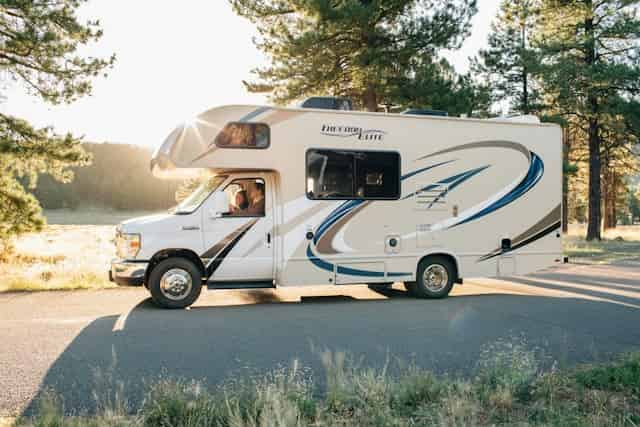
An RV loan is how most buyers pay for a motorhome, travel trailer, or fifth wheel. Few people buy a recreational vehicle with cash, and lenders offer long repayment terms to keep monthly payments manageable. But the wrong loan can leave you paying for years on an RV worth far less than you owe.
This guide explains where to get an RV loan, typical terms, the credit lenders look for, and how to keep your total cost down.
What Is an RV Loan?
An RV loan is an installment loan used to buy a recreational vehicle. Most are secured loans, meaning the RV serves as collateral. If you stop paying, the lender can repossess it. Secured loans usually carry lower rates and longer terms than unsecured personal loans.
Lenders finance most RV types, including:
- Class A, B, and C motorhomes
- Travel trailers and fifth wheels
- Toy haulers
- Pop-up campers and truck campers
New RVs are generally easier to finance than used ones. Many lenders also limit how old a used RV can be, so financing an older model may require a personal loan or a specialty lender.
Where to Get an RV Loan
- Banks: Good options if you already have a relationship and strong credit.
- Credit unions: Often offer some of the most competitive rates for members.
- Dealer financing: Convenient, since you can buy and borrow in one place, but dealers may add a markup to the rate the lender actually approved.
- Online and specialty lenders: Some focus on RV and marine loans and may handle larger amounts or older units.
- Personal loans: Useful for cheaper used campers, though rates are higher and terms shorter.
Typical RV Loan Terms
RV loans tend to look more like a cross between an auto loan and a mortgage:
- Loan terms: Often 5 to 15 years, with some lenders offering up to 20 years on large loans for new motorhomes.
- Down payment: Usually 10% to 20%. A bigger down payment lowers your rate and protects you from depreciation.
- Interest rates: Your rate depends on credit, loan amount, term length, and whether the RV is new or used. Rates for used RVs and longer terms tend to run higher.
What Credit Score Do You Need for an RV Loan?
There is no single cutoff, but many lenders reserve their best rates for borrowers with scores around 700 or higher. Borrowers with lower scores may still qualify, especially with a larger down payment, but should expect higher rates. Lenders also review your debt-to-income ratio and may ask for tax returns on larger loans.
The factors behind RV approvals are similar to those for vehicle loans. Our guide to the credit score needed for car financing explains how lenders size up your credit and how to improve it before you apply.
The Real Cost of a Long RV Loan
Long terms shrink your monthly payment but dramatically increase the interest you pay. Here’s how a $60,000 RV loan at 8% APR plays out:
- 10-year term: about $728 per month and roughly $27,400 in total interest
- 15-year term: about $573 per month and roughly $43,200 in total interest
- 20-year term: about $502 per month and roughly $60,400 in total interest
Stretching from 10 to 20 years saves about $226 a month but costs about $33,000 more in interest. In this example, the 20-year loan’s interest roughly equals the price of the RV itself.
Depreciation makes this worse. RVs often lose value quickly, especially in the first few years. With a long term and a small down payment, you can easily owe more than the RV is worth, which makes selling or trading it in difficult.
Can You Deduct RV Loan Interest?
Possibly. If your RV has sleeping, cooking, and toilet facilities, the IRS may treat it as a second home. In that case, interest on a loan secured by the RV may be deductible as mortgage interest if you itemize deductions. Talk to a tax professional to confirm whether your situation qualifies.
How to Get the Best RV Loan
- Check your credit reports and pay down credit card balances before applying.
- Get preapproved by two or three lenders before visiting a dealer, so you have a rate to beat.
- Compare offers by APR and total cost, not just the monthly payment.
- Choose the shortest term you can comfortably afford.
- Put down at least 10% to 20% to reduce the risk of negative equity.
- Ask whether the loan has a prepayment penalty.
- Budget for insurance, storage, maintenance, fuel, and campground fees.
The Consumer Financial Protection Bureau’s auto loan resources offer a helpful checklist for comparing loan offers and dealer financing, and the same principles apply to RVs.
Frequently Asked Questions
Is it hard to get an RV loan? Not with good credit, steady income, and a reasonable down payment. Approval gets harder for older RVs, very large loans, or borrowers with recent credit problems.
Can I refinance an RV loan? Yes. If rates drop or your credit improves, refinancing can lower your payment or shorten your term. Check for prepayment penalties first.
Should I finance through the dealer? Only after you have outside offers to compare. Dealers sometimes beat a bank’s rate, but you won’t know unless you shop around.
The Bottom Line
An RV loan can make life on the road possible, but long terms and fast depreciation can make it expensive. Shop multiple lenders, put down as much as you can, and pick a term that pays the RV off before it loses most of its value.
This article is for informational purposes only and is not financial or tax advice.
