




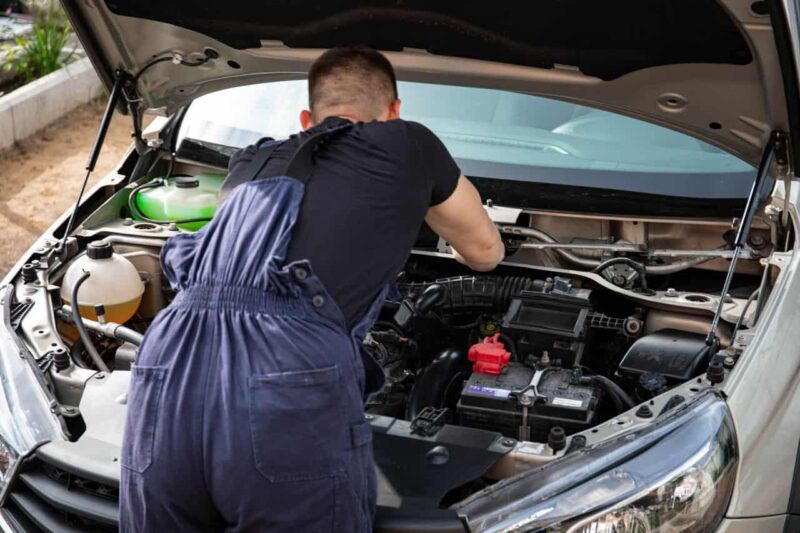
Regular vehicle maintenance is one of the most effective ways to extend the life of your car, improve fuel efficiency, and prevent expensive repairs. Many drivers wait until a problem appears before servicing their vehicle, but following a proper car maintenance schedule by mileage can help identify issues early and keep your vehicle performing at its best.
While maintenance requirements vary by manufacturer and model, there are standard service intervals that most vehicles follow. This guide outlines the essential maintenance tasks you should perform at different mileage milestones.
Why Following a Maintenance Schedule Matters
Your vehicle consists of thousands of components that work together under demanding conditions. Over time, parts wear out, fluids degrade, and systems require inspection or replacement. Ignoring routine maintenance can lead to reduced performance, lower fuel economy, and costly breakdowns.
Following a mileage-based maintenance schedule helps:
- Increase vehicle lifespan
- Improve fuel efficiency
- Enhance driving safety
- Reduce unexpected repair costs
- Maintain resale value
- Ensure reliable performance
Checking your owner’s manual is always recommended, but the following schedule provides a general roadmap for most vehicles.
Every 3,000 to 5,000 Miles
This is one of the most common maintenance intervals and typically includes basic inspections and services.
Change Engine Oil and Oil Filter
Engine oil lubricates moving components and helps prevent excessive wear. Dirty or degraded oil can reduce engine performance and increase damage over time. Depending on your vehicle and oil type, oil changes are generally recommended every 3,000 to 5,000 miles or according to manufacturer guidelines.
Inspect Tire Pressure
Proper tire pressure improves fuel efficiency, handling, and tire lifespan. Check tire pressure monthly and adjust it according to the manufacturer’s recommendations.
Inspect Fluid Levels
Technicians should inspect and top off essential fluids, including:
- Coolant
- Brake fluid
- Power steering fluid
- Transmission fluid
- Windshield washer fluid
Check Lights and Wipers
Ensure all exterior lights function correctly and inspect windshield wiper blades for signs of wear.
Every 7,500 to 10,000 Miles
At this stage, additional maintenance tasks become important.
Rotate Tires
Tire rotation promotes even tread wear and helps maximize tire life. Most manufacturers recommend rotating tires every 7,500 to 10,000 miles.
Inspect Brakes
Brake pads, rotors, and brake lines should be inspected regularly. Early detection of brake wear can prevent more expensive repairs and improve safety.
Inspect Battery
The battery should be tested for proper performance and inspected for corrosion around the terminals.
Also Read: Short Term Health Insurance
Every 15,000 to 20,000 Miles
As your vehicle accumulates mileage, more detailed inspections are necessary.
Replace Engine Air Filter
The engine air filter prevents dirt and debris from entering the engine. A clogged filter can reduce fuel economy and engine performance. Replacement intervals vary, but many vehicles require a new filter around 15,000 to 20,000 miles.
Inspect Suspension Components
Shock absorbers, struts, and suspension components should be examined for wear that may affect ride quality and handling.
Check Belts and Hoses
Rubber belts and hoses can crack, leak, or wear out over time. Regular inspections help prevent unexpected failures.
Every 30,000 Miles
The 30,000-mile service is often considered a major maintenance milestone.
Replace Cabin Air Filter
The cabin air filter improves air quality inside the vehicle by trapping dust, pollen, and pollutants. Replacing it ensures efficient airflow and a cleaner cabin environment.
Inspect Fuel System
Fuel lines, fuel filters, and related components should be checked to maintain efficient engine operation.
Inspect Cooling System
The radiator, hoses, water pump, and coolant levels should be thoroughly inspected to prevent overheating issues.
Check Wheel Alignment
Misaligned wheels can cause uneven tire wear and affect handling. Alignment checks help ensure optimal performance.
Every 60,000 Miles
Vehicles reaching 60,000 miles require more extensive maintenance.
Replace Spark Plugs
Spark plugs ignite the air-fuel mixture inside the engine. Worn spark plugs can reduce fuel efficiency, cause rough idling, and affect engine performance.
Service Transmission
Depending on the vehicle, transmission fluid may need replacement or inspection. Maintaining the transmission is critical for long-term reliability.
Replace Brake Fluid
Brake fluid absorbs moisture over time, reducing braking performance. Replacing it helps maintain safe and effective braking.
Inspect Exhaust System
The exhaust system should be checked for leaks, corrosion, and damaged components.
Every 90,000 to 100,000 Miles
At higher mileage levels, major components may require replacement.
Replace Timing Belt
Many vehicles equipped with timing belts require replacement between 90,000 and 100,000 miles. Failure of a timing belt can cause severe engine damage.
Replace Coolant
Coolant loses effectiveness over time. Replacing it helps protect the engine from overheating and corrosion.
Inspect Water Pump
The water pump is a critical cooling system component and should be inspected for leaks or wear.
Check Drive Belts
Accessory drive belts should be replaced if signs of cracking, stretching, or wear are present.
Ongoing Maintenance Tips
In addition to mileage-based services, drivers should perform routine checks throughout the year. Listen for unusual noises, monitor dashboard warning lights, and inspect tires regularly. Seasonal weather changes may also require adjustments to tire pressure and fluid levels.
Maintaining detailed service records can help track maintenance history and increase your vehicle’s resale value.
Final Thoughts
Following a car maintenance schedule by mileage is essential for preserving vehicle performance, safety, and reliability. Regular oil changes, tire rotations, brake inspections, and major service intervals help prevent costly repairs and extend the life of your vehicle.
By staying proactive and addressing maintenance needs at the recommended mileage milestones, you can enjoy smoother driving, better fuel economy, and greater peace of mind on the road. Consistent maintenance is a small investment that can save significant money and inconvenience in the long run.
