




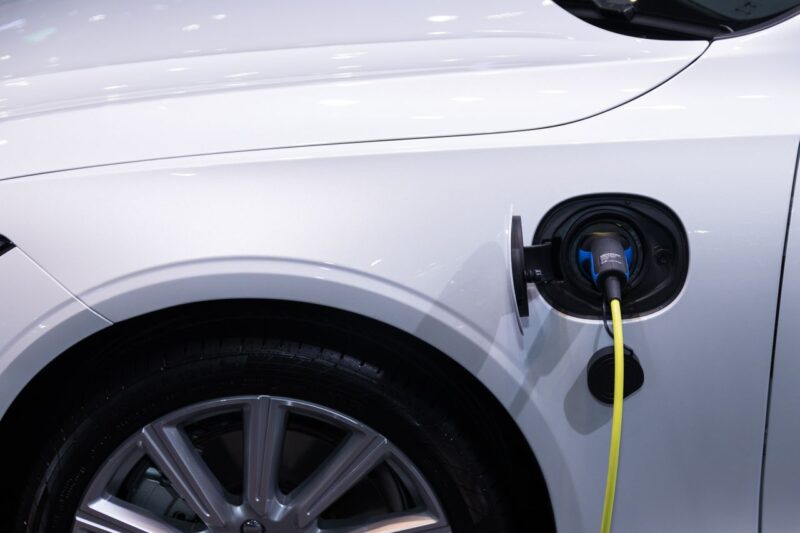
As fuel prices fluctuate and environmental concerns continue to grow, more drivers are considering alternatives to traditional gasoline-powered vehicles. Two of the most popular options are hybrid cars and electric cars. Both technologies offer improved efficiency and reduced emissions compared to conventional vehicles, but they operate differently and suit different driving needs.
Choosing between a hybrid and an electric car depends on several factors, including budget, driving habits, charging availability, and long-term ownership goals. This guide compares hybrid and electric vehicles in detail to help you determine which option is right for you.
What Is a Hybrid Car?
A hybrid car combines a gasoline engine with an electric motor and battery. The vehicle uses both power sources to improve fuel efficiency and reduce fuel consumption.
Depending on driving conditions, the electric motor may assist the gasoline engine or power the vehicle independently for short distances. The battery is typically recharged through regenerative braking and the gasoline engine itself, eliminating the need for external charging.
Hybrid vehicles are designed to maximize fuel economy while maintaining the convenience of traditional refueling.
What Is an Electric Car?
An electric car, often called an EV (Electric Vehicle), operates entirely on electricity and does not have a gasoline engine.
Electric vehicles use large battery packs to power one or more electric motors. Drivers recharge the batteries using home charging equipment or public charging stations.
Because electric cars produce no tailpipe emissions, they are considered one of the most environmentally friendly transportation options available today.
How Hybrid Cars Work
Hybrid vehicles automatically switch between the gasoline engine and electric motor to optimize efficiency.
Key features include:
- Gasoline engine for longer trips
- Electric motor assistance during acceleration
- Regenerative braking technology
- Improved fuel economy
- No need for external charging
The system operates seamlessly, allowing drivers to enjoy fuel savings without changing their driving habits significantly.
How Electric Cars Work
Electric vehicles rely entirely on stored battery power.
Key components include:
- High-capacity battery pack
- Electric motor
- Charging system
- Power electronics
Drivers recharge the battery through charging stations, and the vehicle converts electrical energy directly into motion. Electric motors are highly efficient and provide instant torque for smooth acceleration.
Fuel Efficiency and Energy Costs
Hybrid Vehicles
Hybrids generally achieve significantly better fuel economy than traditional gasoline-powered vehicles.
Benefits include:
- Reduced fuel consumption
- Extended driving range
- Less frequent visits to gas stations
- Improved city driving efficiency
Many hybrid models can travel hundreds of miles on a single tank of fuel.
Electric Vehicles
Electric cars are often more energy-efficient than hybrids.
Advantages include:
- Lower operating costs
- No gasoline expenses
- Higher energy efficiency
- Potential savings on fuel over time
Electricity is often less expensive than gasoline, making EVs attractive for drivers seeking lower day-to-day transportation costs.
Driving Range Comparison
Range is one of the most important considerations when comparing hybrid and electric vehicles.
Hybrid Range
Hybrid cars typically have excellent driving range because they combine gasoline and electric power.
Many hybrids can travel:
- 500 miles or more on a full tank
- Long distances without refueling concerns
- Cross-country routes with ease
This makes hybrids appealing for frequent travelers.
Also Read: Car Insurance After a DUI Conviction
Electric Vehicle Range
Modern electric vehicles have improved significantly in range.
Many EVs now offer:
- 250 to 400 miles of range
- Sufficient distance for most daily driving needs
- Advanced battery technology
However, long-distance travel may require charging stops depending on route availability and vehicle range.
Charging and Refueling Convenience
Hybrid Vehicles
One of the biggest advantages of hybrids is convenience.
Drivers can:
- Refuel at traditional gas stations
- Avoid charging infrastructure concerns
- Travel without planning charging stops
This familiarity appeals to many consumers transitioning away from conventional vehicles.
Electric Vehicles
Electric vehicles require access to charging equipment.
Charging options include:
- Home charging stations
- Workplace chargers
- Public charging networks
- Fast-charging stations
While charging infrastructure continues to expand, availability varies by region.
Maintenance and Reliability
Hybrid Cars
Hybrid vehicles generally require less maintenance than conventional gasoline cars due to reduced engine workload.
However, they still contain:
- Gasoline engines
- Transmission systems
- Fuel systems
- Exhaust components
These systems require periodic maintenance throughout ownership.
Electric Cars
Electric vehicles often have fewer moving parts than hybrids.
Benefits include:
- No oil changes
- No exhaust system repairs
- Reduced engine-related maintenance
- Simpler mechanical design
As a result, EVs may offer lower maintenance costs over the long term.
Environmental Impact
Hybrid Vehicles
Hybrids produce fewer emissions than traditional gasoline vehicles.
Environmental benefits include:
- Lower fuel consumption
- Reduced carbon emissions
- Improved efficiency
However, hybrids still burn gasoline and generate emissions during operation.
Electric Vehicles
Electric vehicles produce zero tailpipe emissions.
Advantages include:
- Cleaner operation
- Reduced greenhouse gas emissions
- Improved air quality
- Lower dependence on fossil fuels
For environmentally conscious consumers, electric vehicles often represent the greener option.
Purchase Price Considerations
Hybrid Vehicles
Hybrids are often less expensive than fully electric vehicles.
Benefits include:
- Lower initial purchase prices
- Wide variety of models
- Familiar ownership experience
This can make hybrids an attractive entry point into fuel-efficient transportation.
Electric Vehicles
EV prices continue to decline as technology improves and production scales increase.
Potential financial advantages include:
- Lower operating costs
- Fuel savings
- Reduced maintenance expenses
- Possible government incentives
While upfront costs may be higher, long-term savings can offset the difference.
Which Vehicle Is Right for You?
A hybrid vehicle may be the better choice if:
- You frequently drive long distances
- Charging infrastructure is limited in your area
- You want maximum convenience
- You prefer traditional refueling
An electric vehicle may be ideal if:
- You primarily drive locally
- Home charging is available
- You want the lowest operating costs
- Environmental impact is a priority
Your driving habits and lifestyle should ultimately guide your decision.
Conclusion
The hybrid vs electric car debate comes down to balancing convenience, cost, efficiency, and environmental goals. Hybrid vehicles offer excellent fuel economy and long driving range without requiring charging infrastructure, making them ideal for drivers who value flexibility. Electric vehicles provide zero tailpipe emissions, lower maintenance requirements, and reduced operating costs, making them increasingly attractive as charging networks continue to expand.
Both technologies represent significant improvements over traditional gasoline-powered vehicles. By evaluating your daily driving patterns, budget, charging access, and long-term priorities, you can confidently choose the vehicle type that best fits your needs and supports your transportation goals for years to come.
