




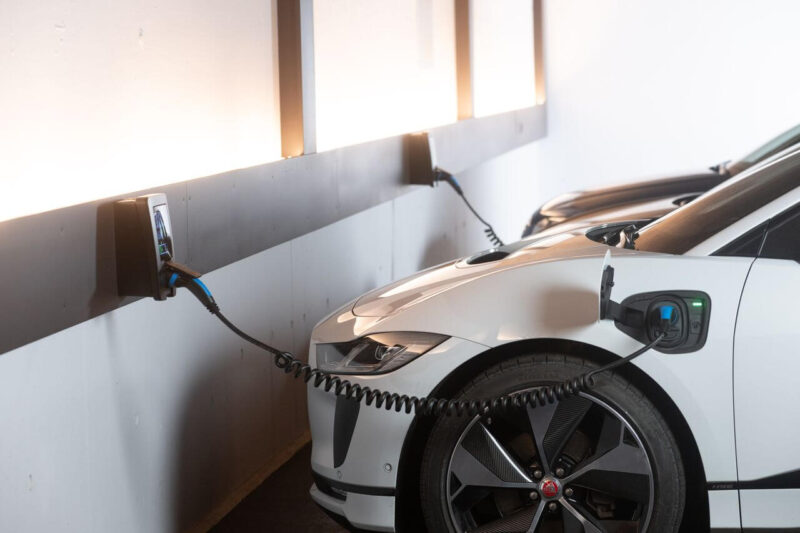
As electric vehicles continue to grow in popularity, more drivers are investing in home EV charger installation for faster and more convenient charging. Charging your electric vehicle at home saves time, reduces dependence on public charging stations, and helps lower long-term charging costs.
Whether you recently purchased an EV or are planning to buy one, understanding the installation process, charger types, and costs can help you make the right decision.
What Is a Home EV Charger?
A home EV charger is a charging station installed at your residence that supplies electricity to your electric vehicle battery. While standard wall outlets can charge an EV, dedicated charging stations provide much faster and more efficient charging.
Most homeowners prefer Level 2 chargers because they significantly reduce charging time and improve daily convenience.
Types of Home EV Chargers
Level 1 Charger
Level 1 chargers use a standard 120V household outlet and usually come with the vehicle.
Benefits include:
- No installation required
- Lower upfront cost
- Suitable for overnight charging
However, Level 1 charging is relatively slow and may not be ideal for drivers with long daily commutes.
Level 2 Charger
Level 2 chargers use a 240V electrical system and are the most popular option for home EV charger installation.
Advantages include:
- Faster charging speeds
- Better efficiency
- Convenient daily charging
- Ideal for long-range electric vehicles
Most EV owners choose Level 2 chargers for reliable and practical home charging.
Benefits of Home EV Charger Installation
Convenient Charging at Home
A home charging station allows you to charge your vehicle overnight and start every day with a full battery.
Faster Charging Times
Level 2 chargers can charge an EV much faster than standard outlets, saving several hours of waiting time.
Lower Charging Costs
Home charging is often more affordable than using public charging stations, especially during off-peak electricity hours.
Increased Property Value
As electric vehicles become more common, homes with EV charging infrastructure may become more attractive to buyers.
Also Read: EV Battery Replacement Cost
Average Home EV Charger Installation Cost
The average home EV charger installation cost ranges from $500 to $2,500 depending on several factors.
These may include:
- Charger model and brand
- Electrical wiring requirements
- Distance from the electrical panel
- Permit and inspection fees
- Labor costs
If your home requires an electrical panel upgrade, the total cost may increase further.
Do You Need a Professional Installer?
Professional installation is strongly recommended for Level 2 EV chargers. Licensed electricians ensure:
- Safe electrical connections
- Compliance with local building codes
- Proper charger performance
- Reduced safety risks
Improper installation can lead to electrical hazards and damage to your charging equipment.
Tips for Choosing the Right EV Charger
Before installing a charger, consider the following:
- Check compatibility with your electric vehicle
- Choose the right charging speed
- Consider smart charging features
- Select a convenient installation location
- Compare warranty and safety certifications
Smart chargers with Wi-Fi connectivity and mobile app controls are becoming increasingly popular among EV owners.
Future of Home EV Charging
The future of EV charging includes smarter technology, solar integration, and faster charging systems. Many homeowners are also combining EV chargers with renewable energy solutions to reduce electricity costs and environmental impact.
As electric vehicle adoption increases worldwide, home charging stations will become an essential part of modern homes.
Final Thoughts
Home EV charger installation provides convenience, faster charging, and long-term savings for electric vehicle owners. Although installation costs vary, investing in a professionally installed charging station can improve your overall EV ownership experience.
Choosing the right charger and ensuring proper installation will help you enjoy safe, reliable, and efficient charging for years to come.
