




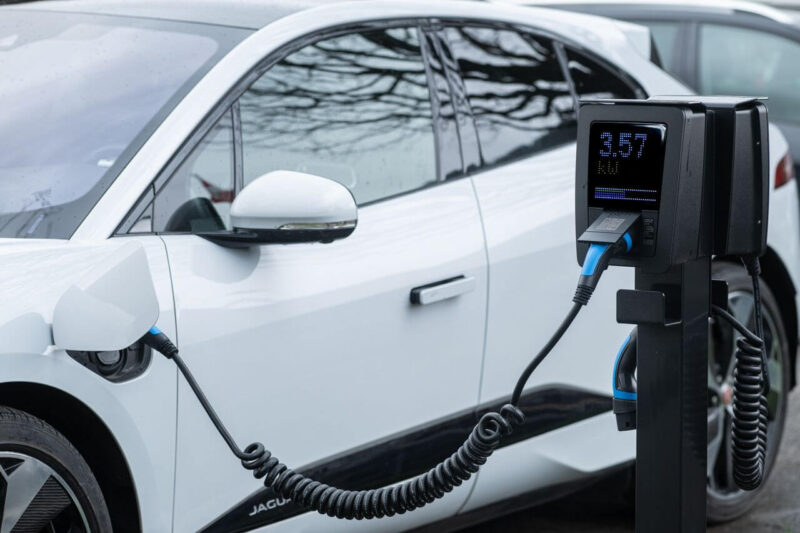
Electric vehicles (EVs) are becoming more popular worldwide due to lower fuel costs, reduced emissions, and advanced technology. However, one question continues to concern buyers and current owners alike: how much does EV battery replacement cost?
The battery is the most expensive component in an electric vehicle. Understanding replacement costs, battery lifespan, warranty coverage, and ways to extend battery health can help EV owners make informed decisions and avoid unexpected expenses.
In this guide, we will explore everything about EV battery replacement costs, including factors affecting pricing, average replacement costs by brand, maintenance tips, and whether replacing an EV battery is worth it.
What Is an EV Battery?
An EV battery is a rechargeable lithium-ion battery pack that powers the electric motor. Unlike traditional car batteries, EV batteries are much larger and designed to store significant amounts of energy.
Most modern electric vehicles use lithium-ion technology because it offers:
- High energy density
- Longer lifespan
- Faster charging capability
- Better efficiency
The battery pack consists of thousands of individual cells working together to deliver power to the vehicle.
Average EV Battery Replacement Cost
The average EV battery replacement cost ranges between $5,000 and $20,000 depending on the vehicle model, battery size, and manufacturer.
Here is a general estimate for common EV brands:
| EV Brand | Estimated Battery Replacement Cost |
| Tesla | $13,000 – $20,000 |
| Nissan Leaf | $5,000 – $9,000 |
| Chevrolet Bolt | $8,000 – $15,000 |
| Hyundai Kona Electric | $7,000 – $12,000 |
| Kia EV6 | $8,000 – $15,000 |
| Ford Mustang Mach-E | $12,000 – $18,000 |
These figures may include labor costs, diagnostics, and installation charges.
Factors Affecting EV Battery Replacement Cost
Several factors influence the total cost of replacing an EV battery.
Battery Size
Larger batteries with higher capacity cost more to replace. Vehicles with long driving ranges typically require larger battery packs.
Vehicle Brand and Model
Luxury EV brands often have more expensive battery systems. Premium manufacturers use advanced cooling systems and high-performance battery technology that increases replacement costs.
Labor Charges
Battery replacement requires specialized technicians and equipment. Labor charges vary by location and service center.
Battery Chemistry
Different battery chemistries affect pricing. Newer battery technologies may be more efficient but also more expensive.
Warranty Coverage
Some manufacturers cover battery replacement under warranty, reducing or eliminating out-of-pocket costs for eligible owners.
Also Read: Cheap Car Insurance for Bad Credit Score
How Long Do EV Batteries Last?
Most electric vehicle batteries last between 8 and 15 years, depending on driving habits, climate, charging practices, and maintenance.
Manufacturers generally provide warranties covering:
- 8 years or 100,000 miles
- Minimum battery capacity retention
Many EV batteries still retain 70% to 90% of their original capacity after several years of use.
Signs Your EV Battery May Need Replacement
Recognizing battery issues early can prevent performance problems and breakdowns.
Common warning signs include:
Reduced Driving Range
A noticeable drop in range after full charging may indicate battery degradation.
Longer Charging Times
Batteries nearing the end of their lifespan may charge slower than usual.
Warning Lights
Dashboard alerts related to battery performance should never be ignored.
Poor Acceleration
Weak acceleration and reduced power delivery can result from declining battery health.
EV Battery Warranty Explained
Most automakers offer extensive EV battery warranties because batteries are expensive components.
Typical EV battery warranties include:
- 8 years of coverage
- 100,000 miles minimum
- Protection against excessive degradation
Some manufacturers may replace the battery if capacity drops below a specified percentage during the warranty period.
Always review the warranty terms carefully before purchasing an electric vehicle.
Can EV Batteries Be Repaired Instead of Replaced?
In some cases, EV batteries can be repaired rather than fully replaced.
Technicians may replace:
- Individual battery modules
- Faulty cells
- Cooling system components
Partial repairs are generally cheaper than full battery replacement and can extend the life of the battery pack.
How to Reduce EV Battery Replacement Costs
Proper battery care can significantly increase battery lifespan and reduce replacement expenses.
Avoid Frequent Fast Charging
Fast charging generates excess heat, which may accelerate battery degradation over time.
Maintain Optimal Charge Levels
Keeping the battery between 20% and 80% can improve long-term battery health.
Limit Extreme Temperatures
Extreme heat and cold negatively affect battery performance and longevity.
Use Manufacturer-Approved Chargers
Using compatible charging equipment helps maintain battery efficiency and safety.
Is Replacing an EV Battery Worth It?
Replacing an EV battery can be worthwhile if the vehicle remains in good condition overall.
Benefits of battery replacement include:
- Extended vehicle lifespan
- Improved driving range
- Better performance
- Lower cost compared to buying a new EV
However, owners should compare replacement costs with the current market value of the vehicle before making a decision.
Are EV Battery Costs Decreasing?
Yes, EV battery prices have steadily declined over the past decade due to advancements in manufacturing and increased production scale.
Industry experts expect battery replacement costs to continue decreasing as:
- Battery technology improves
- Recycling becomes more efficient
- More manufacturers enter the EV market
This trend could make future electric vehicles more affordable to maintain.
EV Battery Recycling and Sustainability
Many EV batteries can be recycled or repurposed after vehicle use.
Recycled battery materials may include:
- Lithium
- Nickel
- Cobalt
- Copper
Battery recycling helps reduce environmental impact and supports sustainable EV production.
Future of EV Battery Technology
The future of EV batteries looks promising. Researchers are developing technologies that may offer:
- Faster charging speeds
- Longer lifespan
- Lower replacement costs
- Higher energy density
Solid-state batteries are one of the most anticipated innovations in the electric vehicle industry.
Final Thoughts
Understanding EV battery replacement cost is essential for anyone considering an electric vehicle. While replacement expenses can be significant, modern EV batteries are designed to last many years and are often protected by long warranties.
As battery technology advances and production scales increase, replacement costs are expected to decline. Proper maintenance and smart charging habits can also help maximize battery lifespan and reduce long-term ownership costs.
For most drivers, the benefits of electric vehicles — including lower fuel costs, reduced maintenance, and environmental advantages — continue to outweigh battery replacement concerns.
