




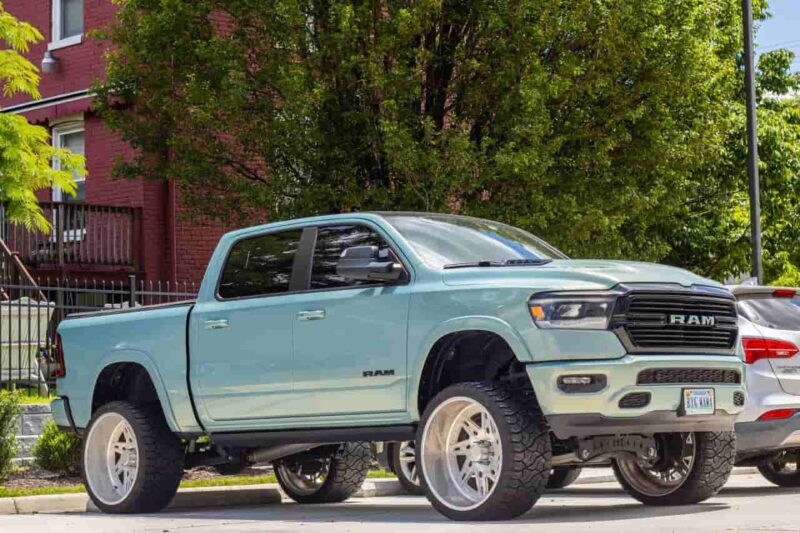
Pickup trucks are built to handle demanding jobs, but many owners want more from their vehicles. Whether you use your truck for towing, off-road driving, work, or everyday commuting, the right pickup truck performance upgrades can improve acceleration, handling, braking, towing capability, and overall driving experience.
However, not every modification provides the same benefits. Some upgrades focus on engine power, while others improve suspension, traction, cooling, or exhaust performance. Understanding your goals and budget can help you choose upgrades that deliver meaningful results without sacrificing reliability.
Upgrade the Air Intake System
One of the common starting points for improving truck performance is upgrading the air intake system. A performance-oriented intake can help the engine receive air more efficiently, depending on the vehicle and design of the factory system.
Improved airflow can complement other engine modifications and may produce a modest improvement in throttle response. Some intake systems also provide a more noticeable engine sound.
Before purchasing an intake, choose a system designed specifically for your truck and engine. A poorly designed intake that draws hot air from the engine compartment may provide little benefit or even reduce performance.
Install a Performance Exhaust
A performance exhaust system can improve exhaust flow and reduce restrictions in certain applications. Depending on the engine and exhaust design, this may contribute to better throttle response and horsepower.
Exhaust upgrades can also change the sound of a pickup truck. Some owners prefer a deeper, more aggressive tone, while others want a quieter system suitable for daily driving.
Make sure any exhaust modification complies with applicable emissions and noise regulations. Removing emissions equipment can create legal, inspection, and reliability problems.
Consider an Engine Tune
An ECU or engine tune can modify certain factory parameters to improve throttle response and, on compatible vehicles, increase horsepower and torque.
Tuning can be especially effective when combined with supporting modifications such as improved intake and exhaust systems. However, an aggressive tune can increase stress on the engine, transmission, cooling system, or other components.
Choose a reputable tuning solution designed for your specific engine and intended use. If your truck regularly tows heavy loads, prioritize a calibration that maintains appropriate temperatures and reliability rather than focusing solely on maximum power.
Improve the Suspension
Performance is not only about horsepower. Suspension upgrades can significantly change how a pickup truck handles.
Upgraded shocks, springs, sway bars, and other suspension components can improve body control, cornering stability, ride quality, and off-road capability. The best setup depends on how you use your truck.
For example, an off-road truck may benefit from suspension components designed for additional wheel travel and rough terrain, while a street-oriented truck may benefit from improved handling and reduced body roll.
Avoid choosing suspension components solely based on appearance. The wrong setup can negatively affect ride quality, alignment, tire wear, or handling.
Also Read: What to do if you can not afford car repair
Upgrade the Braking System
More power requires effective braking performance. If you increase engine output or regularly tow heavy loads, consider improving the braking system as part of your overall performance plan.
High-quality brake pads, properly matched rotors, fresh brake fluid, and well-maintained calipers can improve braking performance. For demanding applications, a larger brake system may be appropriate if it is compatible with the truck.
Brake upgrades should always prioritize reliability and proper installation over appearance.
Choose Performance-Oriented Tires
Tires have a major influence on acceleration, braking, handling, traction, and off-road performance. Selecting the right tire can sometimes make a bigger practical difference than an engine modification.
All-terrain tires can provide a balance between highway driving and off-road traction. Mud-terrain tires are designed for more aggressive off-road conditions but may produce additional road noise and affect fuel economy.
If your truck is primarily used on pavement, choose tires designed for your typical driving environment rather than installing oversized off-road tires that you rarely need.
Consider Wheel and Tire Size Carefully
Larger wheels and tires can change the way your truck accelerates, handles, and rides. Oversized tires may increase rotational mass and rolling resistance, which can reduce acceleration and fuel economy.
They can also affect steering, suspension geometry, braking, and drivetrain components if the size is significantly different from the factory specification.
If you want larger tires, make sure the combination is compatible with your suspension, wheel wells, gearing, brakes, and drivetrain.
Upgrade the Cooling System
Performance modifications can increase heat production. If you frequently tow, haul heavy loads, drive off-road, or operate your truck in hot conditions, cooling-system upgrades may be worth considering.
Depending on the vehicle, improvements may include a larger radiator, upgraded intercooler, transmission cooler, or other components designed to manage operating temperatures.
Keeping temperatures under control is important for long-term reliability. A truck that produces impressive power but consistently overheats is not a successful performance build.
Improve Traction With a Differential Upgrade
Engine power is only useful if the truck can transfer it effectively to the ground. A limited-slip differential or other suitable traction upgrade can improve the truck’s ability to maintain traction under certain driving conditions.
This can be particularly useful for off-road driving, towing, or situations where one wheel may lose traction.
Before selecting a differential upgrade, consider whether your truck is two-wheel drive or four-wheel drive and how you use it most often.
Upgrade the Drivetrain When Necessary
Significant increases in horsepower and torque can place additional stress on the transmission, driveshafts, axles, and other drivetrain components.
If you are planning a high-power build, consider the drivetrain as a complete system rather than upgrading only the engine. Supporting modifications may be necessary to maintain reliability.
This is especially important for trucks used for towing. Maximum engine output is not always the most useful goal when the vehicle needs to operate reliably under heavy loads.
Set a Realistic Performance Budget
Pickup truck performance upgrades can become expensive quickly. Start by defining your primary objective.
If you want better towing performance, focus on cooling, braking, tires, suspension, and appropriate power improvements. If you want better off-road capability, prioritize tires, suspension, ground clearance, and traction. For street performance, engine tuning, exhaust, intake, suspension, and braking may be more relevant.
Upgrade components in stages rather than purchasing everything at once. This allows you to evaluate each modification and avoid spending money on upgrades that do not provide meaningful benefits.
Final Thoughts
The best pickup truck performance upgrades depend on how you use your vehicle. Engine modifications can increase power, while suspension, brakes, tires, cooling, and drivetrain upgrades can improve overall performance and reliability.
Before modifying your truck, consider compatibility, warranty implications, maintenance requirements, emissions regulations, and the impact on towing or payload capability. A balanced build is usually more useful than simply maximizing horsepower.
By choosing upgrades based on your driving needs and installing quality components correctly, you can create a pickup truck that delivers better performance while remaining practical and dependable.
