




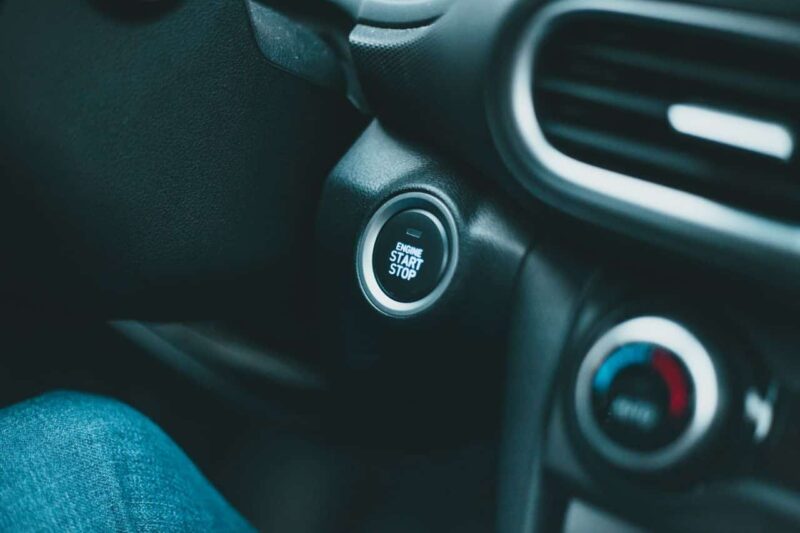
Few situations are more frustrating than getting into your vehicle, turning the key or pressing the start button, and discovering that the engine won’t start. Whether you’re at home, at work, or stranded in a parking lot, understanding why your car won’t start can help you identify the problem quickly and determine whether it’s something you can fix yourself or if professional assistance is needed.
A vehicle may fail to start for many reasons, ranging from a weak battery to fuel system issues or engine problems. This guide explains the most common causes of starting problems, how to diagnose them, and what you can do to get back on the road safely.
Understanding the Starting Process
When you start your vehicle, several systems must work together. The battery provides electrical power, the starter motor cranks the engine, the fuel system delivers fuel, and the ignition system creates the spark needed for combustion.
If any of these components fail, the engine may not start. Identifying which part of the starting process is failing is the first step toward diagnosing the problem.
Dead or Weak Battery
A dead battery is the most common reason a vehicle will not start.
Signs of a weak battery include:
- Clicking sound when turning the key
- Dim headlights
- Dashboard lights flickering
- Slow engine cranking
- Electrical accessories not working
If the battery is discharged, jump-starting the vehicle may restore operation temporarily. However, if the battery repeatedly loses its charge, it may need replacement or the charging system may require inspection.
Faulty Starter Motor
The starter motor turns the engine during startup. If it fails, the engine cannot crank.
Common symptoms include:
- Single clicking noise
- No engine cranking
- Grinding noise during startup
- Intermittent starting problems
A worn starter motor often requires replacement to restore reliable operation.
Bad Alternator
Although the alternator does not actually start the engine, it charges the battery while the engine is running.
If the alternator fails, the battery gradually loses power until it can no longer start the vehicle.
Signs of alternator failure include:
- Battery warning light
- Dim headlights
- Electrical system malfunctions
- Frequent dead battery
Testing the charging system can determine whether the alternator is functioning correctly.
Also Read: How to Check Transmission Fluid
Fuel System Problems
An engine needs a steady supply of fuel to start and run.
Several fuel-related issues can prevent startup, including:
- Empty fuel tank
- Clogged fuel filter
- Failed fuel pump
- Faulty fuel injectors
- Low fuel pressure
If the engine cranks normally but refuses to start, a fuel delivery problem may be responsible.
Ignition System Failure
The ignition system generates the spark required to ignite the air-fuel mixture.
Common ignition problems include:
- Worn spark plugs
- Faulty ignition coils
- Damaged spark plug wires
- Ignition switch failure
Without proper spark, the engine will crank but fail to start.
Faulty Key or Immobilizer System
Many modern vehicles include electronic security systems that prevent unauthorized starting.
A damaged key, weak key fob battery, or immobilizer malfunction may stop the engine from starting even though the battery is fully charged.
If a security warning light remains illuminated, consult your owner’s manual or have the system inspected.
Blown Fuse or Electrical Problem
Your vehicle relies on numerous fuses and relays to power the starting system.
A blown starter fuse, faulty relay, damaged wiring, or loose battery connection can interrupt electrical power.
Inspect battery terminals for corrosion and ensure cable connections are clean and tight.
Replacing a blown fuse may solve the problem if no underlying electrical fault exists.
Engine Mechanical Problems
Although less common, internal engine damage can also prevent starting.
Possible causes include:
- Broken timing belt or timing chain
- Seized engine
- Low engine compression
- Severe overheating damage
These issues typically require professional diagnosis and repair.
Cold Weather Starting Problems
Extremely cold temperatures place additional strain on the battery and engine.
Cold weather can:
- Reduce battery capacity
- Thicken engine oil
- Slow starter motor performance
- Freeze fuel lines in some situations
Using the correct engine oil and maintaining a healthy battery can improve winter starting reliability.
How to Diagnose a Car That Won’t Start
A systematic approach helps narrow down the problem.
First, check whether the dashboard lights illuminate.
Listen carefully when attempting to start the engine.
If you hear clicking, inspect the battery.
If the engine cranks but will not fire, investigate the fuel and ignition systems.
If nothing happens at all, inspect battery connections, fuses, and the starter circuit.
Using an OBD-II scanner can also help identify fault codes that point to the source of the problem.
Preventive Maintenance Tips
Regular maintenance greatly reduces the chance of unexpected starting problems.
Inspect the battery annually and clean the terminals.
Replace spark plugs according to the manufacturer’s maintenance schedule.
Change the fuel filter when recommended.
Inspect the alternator and starter during routine service.
Keep at least a quarter tank of fuel in the vehicle to reduce strain on the fuel pump.
Address warning lights promptly before they develop into larger mechanical issues.
When to Seek Professional Help
If basic troubleshooting does not identify the cause, or if the engine still refuses to start after checking the battery, fuel, and electrical connections, professional diagnosis may be necessary.
Modern vehicles contain complex electronic systems that often require specialized diagnostic equipment.
Ignoring repeated starting problems may lead to more extensive and expensive repairs over time.
Conclusion
Understanding why your car won’t start can help you respond calmly and identify the most likely cause. From a dead battery and faulty starter motor to fuel system issues or ignition problems, many starting failures have clear warning signs that make diagnosis easier.
Regular maintenance, timely replacement of worn components, and routine inspections of your battery, charging system, and ignition system can greatly reduce the risk of unexpected breakdowns. By following these troubleshooting steps and addressing problems early, you can keep your vehicle reliable and avoid costly repairs in the future.
