




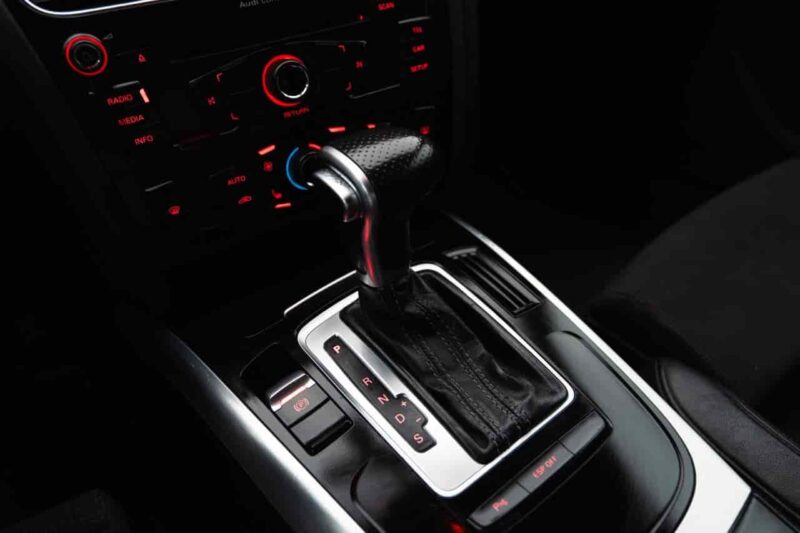
A transmission slipping when hot is a common warning sign that should not be ignored. Many drivers notice that their vehicle operates normally when cold but begins slipping after driving for an extended period. Engine RPM may suddenly increase, acceleration may become weak, or the transmission may struggle to stay in the selected gear.
Heat can expose transmission problems that are less noticeable when the vehicle is cold. Low or degraded fluid, worn internal components, hydraulic pressure problems, faulty solenoids, and an overheating transmission can all contribute to slipping. Identifying the cause early can help prevent more extensive and expensive repairs.
What Does It Mean When a Transmission Slips When Hot?
Transmission slipping occurs when the transmission does not maintain a firm connection between the engine and the wheels. In an automatic transmission, internal clutches and bands must engage properly to transfer engine power through the selected gear.
When the transmission becomes hot, fluid becomes thinner and internal components expand. A transmission that already has worn components or inadequate hydraulic pressure may begin slipping once it reaches operating temperature.
A common symptom is an increase in engine RPM without a proportional increase in vehicle speed. The problem may be especially noticeable during acceleration, hill climbing, or highway driving.
Low Transmission Fluid
Low transmission fluid is one of the first things that should be checked when a transmission starts slipping.
Automatic transmissions depend on fluid for lubrication, cooling, and hydraulic pressure. If the fluid level is too low, the transmission may not generate sufficient pressure to engage its internal components correctly.
A low fluid level can also contribute to overheating because there is less fluid available to absorb and transfer heat.
If the fluid level is low, the underlying cause should also be investigated. A leaking transmission, cooler line, seal, or gasket may be responsible. Simply adding fluid without repairing a leak may only provide a temporary improvement.
Old or Degraded Transmission Fluid
Transmission fluid can deteriorate due to heat, friction, contamination, and age. As fluid loses its proper properties, it may become less effective at maintaining hydraulic pressure and lubricating internal components.
When a transmission is cold, degraded fluid may still allow it to operate relatively normally. As temperatures increase, the problem may become more noticeable.
Fluid that appears very dark, smells burnt, or contains unusual debris can indicate that the transmission needs professional evaluation.
However, fluid color alone should not be used to determine whether a transmission requires service. The manufacturer’s maintenance recommendations and the transmission’s condition should also be considered.
Transmission Overheating
Excessive heat is a major cause of transmission problems. Automatic transmissions generate heat during normal operation, particularly under heavy loads.
Towing, carrying heavy loads, driving in extreme temperatures, frequent stop-and-go traffic, and aggressive acceleration can increase transmission temperatures.
A damaged transmission cooler, restricted cooling system, low fluid level, or internal mechanical problem can also cause excessive heat.
When transmission temperatures become too high, fluid can deteriorate faster and internal components may experience accelerated wear.
Worn Internal Clutches
Automatic transmissions use clutch packs to engage different gears. Over time, these friction materials can wear.
When the transmission is cold, worn clutches may still provide enough grip to operate normally. Once the transmission becomes hot, however, reduced fluid viscosity and increased component clearance can make the weakness more apparent.
The result can be slipping, delayed shifting, or difficulty maintaining a gear.
If internal clutches are significantly worn, a simple fluid replacement may not resolve the problem. A transmission rebuild or replacement may eventually be necessary.
Hydraulic Pressure Problems
Automatic transmissions require appropriate hydraulic pressure to operate their internal components. A worn transmission pump, valve body problem, restricted passage, or internal leak can reduce pressure.
When the fluid becomes hot and thinner, an existing pressure problem may become more noticeable.
A technician can perform appropriate diagnostic tests, including checking transmission pressure where applicable, to determine whether the transmission is producing the pressure required for proper operation.
Also Read: AI Agents for Businesses
Faulty Shift Solenoids
Modern automatic transmissions use electronic solenoids to control fluid flow and gear changes. A malfunctioning solenoid can cause delayed shifts, incorrect gear selection, harsh shifting, or slipping.
Heat can sometimes affect an electrical component or solenoid that works normally when cold.
Diagnostic trouble codes may be stored when a transmission control problem occurs, but a scan should be interpreted alongside other diagnostic tests rather than assuming a specific component has failed.
Worn or Damaged Valve Body
The valve body controls hydraulic fluid distribution inside many automatic transmissions. Wear, contamination, or damage can interfere with proper fluid flow.
As the transmission heats up, changes in fluid viscosity and internal clearances can make valve body problems more apparent.
Symptoms may include slipping, delayed engagement, harsh shifts, inconsistent gear changes, or difficulty selecting certain gears.
Torque Converter Problems
The torque converter transfers engine power to an automatic transmission and helps the vehicle operate smoothly during acceleration and cruising.
A faulty torque converter can produce symptoms such as slipping, shuddering, unusual RPM fluctuations, or poor acceleration.
Torque converter problems can become more noticeable after the transmission reaches normal operating temperature, particularly during steady-speed driving or when the converter’s lockup function is engaged.
Is It Safe to Drive a Transmission That Slips When Hot?
Continued driving with a slipping transmission can increase wear and heat. If the problem occurs repeatedly, internal components may become progressively damaged.
Drivers should be especially cautious if slipping is accompanied by a burning smell, transmission warning light, fluid leak, loud mechanical noises, delayed engagement, or significant loss of acceleration.
If the vehicle suddenly loses the ability to transfer power normally, it may be safer to stop driving and arrange professional assistance.
How Is the Problem Diagnosed?
Diagnosis usually begins with checking the transmission fluid level and inspecting for leaks. A technician may also scan the vehicle’s computer for stored transmission-related codes.
A road test can help determine when slipping occurs and which gears or operating conditions are affected.
Additional diagnostic procedures may include checking hydraulic pressure, inspecting electrical connections, evaluating transmission temperature, and examining internal components.
Accurate diagnosis is important because multiple problems can produce similar symptoms.
How to Prevent Transmission Slipping When Hot
Following the vehicle manufacturer’s recommended maintenance schedule is an important starting point. Use the correct transmission fluid and maintain the appropriate fluid level.
Vehicles used for towing or heavy-duty driving may require additional attention to transmission cooling and maintenance.
Drivers should also respond quickly to early symptoms such as delayed shifts, unusual RPM increases, fluid leaks, burning odors, or changes in transmission behavior.
Preventive maintenance can help identify problems before they develop into major transmission failures.
Conclusion
A transmission slipping when hot can indicate problems ranging from low or degraded fluid to overheating, worn clutch packs, hydraulic pressure loss, faulty solenoids, valve body wear, or torque converter issues.
Because heat can make an existing transmission problem significantly worse, repeated slipping should be professionally diagnosed rather than ignored. Checking fluid levels, addressing leaks, maintaining proper cooling, and following the manufacturer’s service recommendations can help protect the transmission.
If your vehicle shifts normally when cold but begins slipping after it warms up, identifying the cause early may help prevent additional internal damage and potentially reduce repair costs.
