




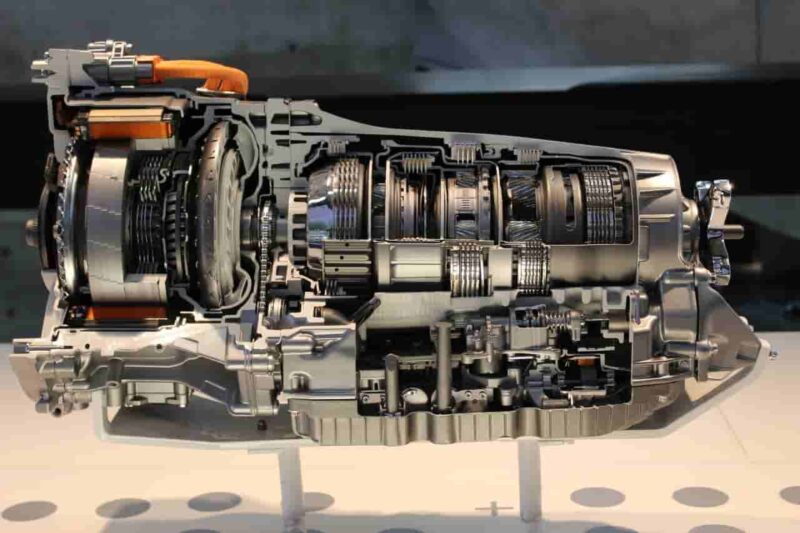
A transmission slipping at high speed can be an unsettling problem. You may notice the engine RPM suddenly rises without a matching increase in vehicle speed, the transmission hesitates before shifting, or the vehicle struggles to maintain acceleration. These symptoms can indicate a problem with the transmission fluid, clutch components, solenoids, sensors, or internal transmission parts.
Ignoring transmission slipping can allow a relatively manageable problem to become a major repair. Understanding the common causes and warning signs can help vehicle owners determine when professional inspection is necessary.
What Does Transmission Slipping Mean?
Transmission slipping occurs when the transmission fails to maintain the proper connection between the engine and the wheels. In an automatic transmission, the transmission should select and hold the appropriate gear based on vehicle speed, engine load, and other conditions.
When slipping occurs, the engine may rev higher while the vehicle does not accelerate normally. At highway speeds, this can become especially noticeable when accelerating, climbing a hill, or attempting to pass another vehicle.
Manual transmissions can also slip, but the symptoms are usually associated with a worn clutch rather than the automatic transmission’s internal hydraulic and electronic components.
Common Symptoms of Transmission Slipping at High Speed
One of the most recognizable symptoms is a sudden increase in engine RPM. The tachometer may climb rapidly while the vehicle’s speed increases slowly or remains nearly unchanged.
Other symptoms can include delayed acceleration, difficulty maintaining speed, harsh or unusual gear changes, and a sensation that the transmission is shifting in and out of gear.
Drivers may also notice burning smells, unusual noises, transmission warning lights, or fluid leaking underneath the vehicle.
If slipping occurs repeatedly at highway speeds, it should not be ignored. Continued driving under these conditions can increase heat and wear inside the transmission.
Low or Incorrect Transmission Fluid
Transmission fluid is essential for lubrication, cooling, and hydraulic operation. Low fluid levels can prevent an automatic transmission from generating the hydraulic pressure required to engage gears properly.
Old or contaminated fluid can also affect transmission operation. Over time, fluid may become degraded by heat and friction.
Using the wrong type of transmission fluid can create additional problems. Different transmissions are designed for specific fluid formulations, so vehicle owners should use the fluid specified by the manufacturer.
If transmission fluid is low, simply adding fluid may not solve the underlying problem. A leak could be responsible for the low level and should be identified and repaired.
Worn Clutch Packs
Automatic transmissions use internal clutch packs to engage different gears. These components can wear over time, particularly in vehicles that experience heavy loads, frequent towing, aggressive driving, or high operating temperatures.
When clutch packs become worn, they may fail to hold a gear firmly. This can cause the engine RPM to rise while the vehicle does not accelerate as expected.
Severely worn clutch components may require transmission rebuilding or replacement rather than a simple fluid service.
Faulty Shift Solenoids
Modern automatic transmissions rely on electronic solenoids to control hydraulic fluid flow and gear changes. A malfunctioning solenoid can cause incorrect shift timing or prevent a gear from engaging properly.
A faulty solenoid may produce slipping, delayed shifts, harsh shifts, or transmission warning codes.
A diagnostic scan can help identify certain electronic transmission problems, although a trouble code does not always mean the solenoid itself is the only cause.
Transmission Control Problems
Modern vehicles use computers to manage transmission operation. Sensors provide information about vehicle speed, engine load, throttle position, and transmission conditions.
If a sensor provides incorrect information, the transmission control system may select inappropriate gears or shift at the wrong time.
Electrical problems, wiring damage, software issues, and communication faults can also affect transmission performance.
Also Read: AWS Managed Services – Ultimate Guide
Overheating Transmission
Excessive heat is a major concern for automatic transmissions. High temperatures can accelerate fluid degradation and increase wear on internal components.
Heavy towing, aggressive driving, low fluid levels, clogged cooling systems, and extreme operating conditions can contribute to overheating.
Some vehicles use a transmission cooler to help maintain appropriate operating temperatures. Problems with the cooling system can contribute to repeated slipping and premature transmission wear.
Torque Converter Problems
The torque converter transfers engine power to an automatic transmission and allows the vehicle to operate smoothly at different speeds.
A malfunctioning torque converter can cause shuddering, slipping, inconsistent acceleration, or unusual RPM changes.
At highway speeds, torque converter lockup problems may become particularly noticeable because the system is often designed to establish a more direct connection between the engine and transmission during steady cruising.
Worn Manual Transmission Clutch
If the vehicle has a manual transmission, slipping at high speed may be caused by a worn clutch.
A slipping clutch often causes engine RPM to rise rapidly when accelerating in a higher gear without a proportional increase in vehicle speed.
A burning smell may also be present. Continued operation with a severely worn clutch can damage other components and eventually leave the vehicle unable to transfer engine power effectively.
Is It Safe to Drive With a Slipping Transmission?
Driving with a slipping transmission can be risky, particularly if the problem is getting worse. Continued slipping creates additional heat and friction, which can accelerate internal wear.
If the vehicle suddenly loses acceleration while merging or passing, the situation can also create a safety hazard.
If slipping is severe, accompanied by a burning smell, warning light, fluid leak, loud noises, or loss of drive, it is generally safer to stop driving and have the vehicle professionally inspected.
How Transmission Slipping Is Diagnosed
A professional technician will typically begin by checking transmission fluid level and condition and looking for visible leaks.
The vehicle may then be scanned for diagnostic trouble codes. A technician can also evaluate transmission behavior during a road test and examine shift performance.
Depending on the symptoms, additional testing may include hydraulic pressure testing, electrical testing, inspection of transmission components, or evaluation of the torque converter.
Accurate diagnosis is important because several different problems can produce similar slipping symptoms.
Transmission Repair Options
The appropriate repair depends on the underlying cause. Low fluid caused by a leak may require leak repair and fluid replacement. A faulty sensor or solenoid may be repairable without rebuilding the entire transmission.
More extensive internal damage may require rebuilding or replacing the transmission.
For manual vehicles, a slipping clutch commonly requires clutch replacement. A technician should inspect related components at the same time to determine whether additional repairs are necessary.
How to Prevent Transmission Slipping
Regular maintenance can help reduce the risk of transmission problems. Vehicle owners should follow the manufacturer’s maintenance recommendations for transmission fluid and other related services.
Keeping the transmission properly cooled is also important, particularly for vehicles used for towing or heavy-duty applications.
Drivers should pay attention to early warning signs such as unusual shifting, delayed engagement, fluid leaks, burning smells, and unexplained RPM changes.
Addressing these symptoms early can sometimes prevent more extensive damage.
Conclusion
A transmission slipping at high speed should be treated as an important warning sign rather than a minor driving issue. Low or degraded fluid, worn clutch packs, faulty solenoids, overheating, torque converter problems, electronic faults, and worn manual clutches can all contribute to slipping.
Because transmission problems can become expensive when ignored, early diagnosis is important. If your vehicle repeatedly experiences rising RPM without normal acceleration, unusual shifting, burning smells, or loss of power, have the transmission inspected by a qualified technician. Prompt attention can help identify the cause and may prevent further damage.
