




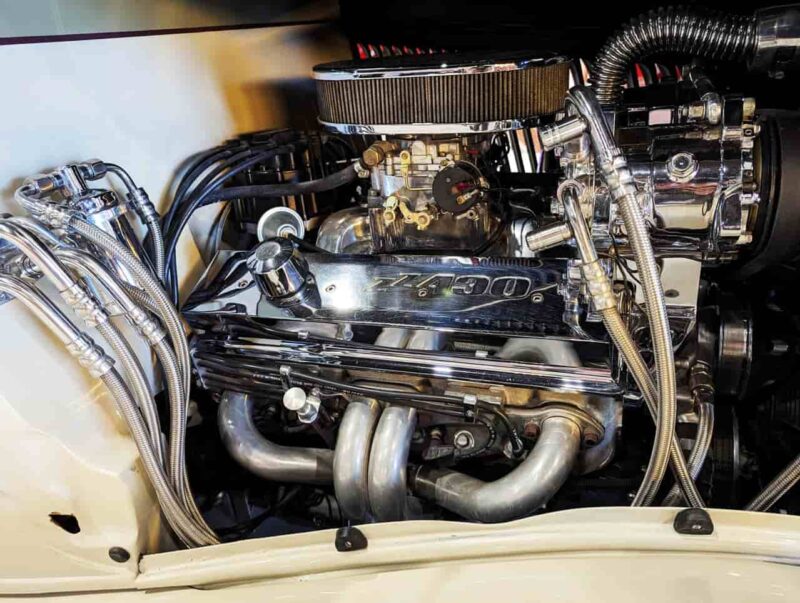
Spark plugs play a crucial role in your vehicle’s engine by igniting the air-fuel mixture inside each cylinder. Healthy spark plugs help your engine start easily, improve fuel efficiency, and deliver smooth acceleration. Over time, however, spark plugs wear out and lose their ability to produce a strong spark. Learning how to replace spark plugs can save you money on maintenance while keeping your vehicle running at its best.
Replacing spark plugs is a manageable task for most vehicle owners with basic mechanical skills and the right tools. This guide explains the process step by step and provides helpful tips to ensure a successful installation.
Why Spark Plugs Are Important
Spark plugs create the electrical spark needed for combustion. Every time the engine runs, each spark plug fires thousands of times per minute. As they age, the electrodes gradually wear down, making ignition less efficient.
Worn spark plugs can reduce engine performance, increase fuel consumption, cause rough idling, and make starting the engine more difficult. Replacing them at the recommended intervals helps maintain reliable performance and protects other ignition components.
Signs Your Spark Plugs Need Replacement
Several symptoms indicate it may be time to install new spark plugs. Common warning signs include:
- Difficulty starting the engine
- Rough or uneven idle
- Engine misfires
- Poor acceleration
- Reduced fuel economy
- Check Engine light
- Loss of engine power
If your vehicle displays one or more of these symptoms, inspect the spark plugs or consult your maintenance schedule.
Tools You Will Need
Before beginning, gather the following tools:
- New spark plugs
- Spark plug socket
- Ratchet and extension
- Torque wrench
- Spark plug gap tool
- Compressed air or soft brush
- Dielectric grease (optional)
- Anti-seize compound if recommended by the spark plug manufacturer
Always purchase spark plugs that match your vehicle manufacturer’s specifications.
Also Read: Cybersecurity Consulting Services
Step 1: Allow the Engine to Cool
Never replace spark plugs while the engine is hot.
Park the vehicle on a level surface, turn off the engine, and allow it to cool completely. Removing spark plugs from a hot aluminum cylinder head can damage the threads.
Disconnect the negative battery terminal if recommended by your vehicle’s service manual.
Step 2: Locate the Spark Plugs
Open the hood and locate the spark plugs. Most four-cylinder engines have four plugs positioned along the top or side of the engine. V6 and V8 engines have additional spark plugs arranged in two cylinder banks.
Many modern vehicles use ignition coils mounted directly over each spark plug instead of traditional spark plug wires.
Consult your owner’s manual if you are unsure of their location.
Step 3: Remove the Ignition Coil or Spark Plug Wire
Work on one cylinder at a time to avoid mixing up ignition components.
If your vehicle has spark plug wires, grasp the boot rather than the wire itself and pull it straight off.
For coil-on-plug systems, disconnect the electrical connector, remove the retaining bolt, and carefully lift the ignition coil out of the spark plug well.
Step 4: Clean Around the Spark Plug
Before removing the old spark plug, clean the surrounding area using compressed air or a soft brush.
Removing dirt and debris prevents contaminants from falling into the combustion chamber when the spark plug is removed.
This simple step helps protect the engine from unnecessary wear.
Step 5: Remove the Old Spark Plug
Insert the spark plug socket with an extension into the spark plug well.
Turn the ratchet counterclockwise until the spark plug loosens, then carefully remove it from the engine.
Inspect the old spark plug for signs of excessive wear, heavy carbon deposits, oil contamination, or a damaged electrode. These conditions may indicate additional engine problems that require attention.
Step 6: Prepare the New Spark Plug
Before installation, verify the gap using a spark plug gap tool.
Even if the new spark plugs are labeled as pre-gapped, checking the gap ensures it matches your vehicle manufacturer’s specifications.
If recommended by the spark plug manufacturer, apply a small amount of anti-seize compound to the threads. Some modern spark plugs already have coated threads and should not receive additional lubricant.
A small amount of dielectric grease inside the ignition boot can also improve electrical connection and simplify future removal.
Step 7: Install the New Spark Plug
Carefully thread the new spark plug into the cylinder head by hand.
Hand-threading helps prevent cross-threading, which can damage the cylinder head.
Once the spark plug is finger-tight, use a torque wrench to tighten it according to the manufacturer’s recommended torque specification.
Avoid overtightening, as excessive force can damage both the spark plug and engine threads.
Step 8: Reinstall the Ignition Coil or Wire
Reinstall the ignition coil or spark plug wire onto the new spark plug.
Reconnect any electrical connectors and tighten the retaining bolt if applicable.
Repeat the entire process for each remaining cylinder, replacing one spark plug at a time.
Test the Engine
After replacing all the spark plugs, start the engine and let it idle.
The engine should start easily and run smoothly without misfires or unusual noises. If the Check Engine light appears or the engine runs roughly, verify that every ignition coil or spark plug wire is securely connected.
Take the vehicle for a short drive to confirm improved performance.
Maintenance Tips
Most conventional spark plugs require replacement every 30,000 to 50,000 miles, while platinum and iridium spark plugs often last between 60,000 and 100,000 miles.
Always follow the maintenance interval recommended in your owner’s manual.
Regular inspections of the ignition system, timely spark plug replacement, and using high-quality replacement parts can improve engine reliability and fuel efficiency.
Conclusion
Learning how to replace spark plugs is a valuable maintenance skill that can improve engine performance, fuel economy, and starting reliability. With the proper tools, careful installation, and attention to manufacturer specifications, replacing spark plugs is a straightforward project that many vehicle owners can complete at home.
Routine spark plug replacement helps your engine operate efficiently, reduces the risk of misfires, and extends the life of your vehicle’s ignition system. By following this step-by-step guide, you can confidently maintain your engine and enjoy smoother, more dependable performance.
