




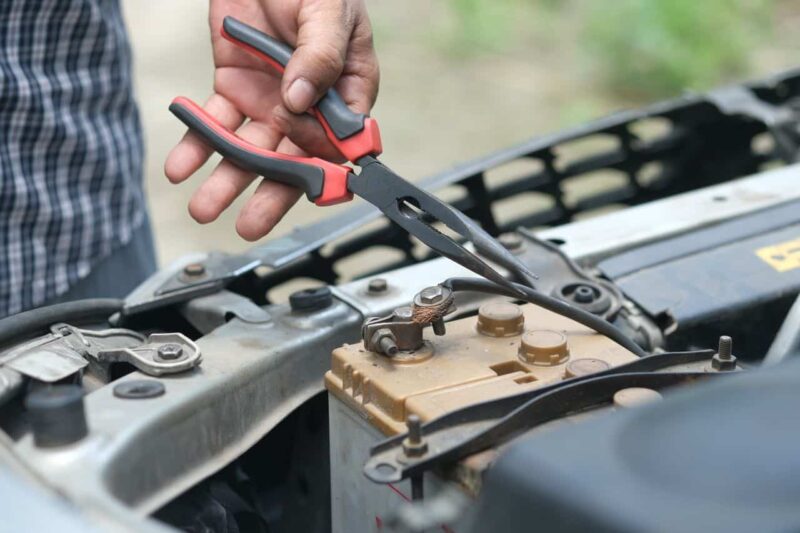
A dead car battery is one of the most common reasons a vehicle fails to start. Fortunately, replacing a car battery is a simple maintenance task that most vehicle owners can complete at home with basic tools. Learning how to replace a car battery can save you time, reduce repair costs, and help you avoid being stranded with a vehicle that won’t start.
In this guide, you’ll learn how to remove an old battery, install a new one safely, and extend the lifespan of your replacement battery.
Signs Your Car Battery Needs Replacement
Before replacing your battery, make sure it is actually the source of the problem. Common warning signs include:
- Slow engine cranking
- Clicking sound when turning the key
- Dashboard battery warning light
- Dim headlights
- Electrical accessories not working properly
- Battery older than three to five years
If you experience several of these symptoms, it may be time for a new battery.
Tools You Will Need
Gather the following tools before starting:
- Replacement car battery
- Wrench or socket set
- Battery terminal cleaning brush
- Protective gloves
- Safety glasses
- Battery terminal protector spray (optional)
Always purchase a battery that matches your vehicle’s specifications. Check your owner’s manual or the label on your existing battery for the correct size and capacity.
Also Read: SOC as a Service – Complete Guide
Safety Precautions
Safety should always come first when working with a vehicle battery.
Park your vehicle on a flat surface, engage the parking brake, and turn off the engine. Remove the keys from the ignition and allow the engine to cool completely.
Wear gloves and eye protection because batteries contain sulfuric acid, which can be hazardous if spilled.
Avoid smoking or creating sparks near the battery, as hydrogen gas released during charging can be flammable.
Step 1: Locate the Battery
Open the hood and locate the battery. In most vehicles, it is positioned near the front of the engine compartment. Some modern cars place the battery in the trunk or beneath the rear seat, so consult your owner’s manual if you cannot find it.
Step 2: Disconnect the Battery
Always disconnect the negative (-) terminal first. It is usually marked with a minus sign and has a black cable.
Loosen the terminal clamp using a wrench and carefully lift the cable away from the battery. Keep it away from the battery post.
Next, disconnect the positive (+) terminal, which is typically marked with a plus sign and uses a red cable.
Disconnecting the negative terminal first helps prevent accidental electrical shorts.
Step 3: Remove the Old Battery
Most batteries are secured with a hold-down bracket or clamp.
Remove the retaining hardware and carefully lift the battery straight upward. Keep in mind that car batteries often weigh between 30 and 50 pounds, so use proper lifting techniques.
Inspect the battery tray for corrosion, dirt, or debris.
Step 4: Clean the Battery Terminals
Corrosion can reduce electrical performance.
Use a battery terminal cleaning brush to remove any corrosion from the cable connectors and battery tray. Wipe away debris using a clean cloth.
If corrosion is severe, a mixture of baking soda and water can help neutralize acid residue before cleaning.
Step 5: Install the New Battery
Place the new battery into the tray with the positive and negative terminals facing the correct direction.
Secure the battery using the hold-down bracket so it cannot move while driving.
Reconnect the battery cables in the reverse order of removal.
First, attach the positive (+) terminal and tighten it securely.
Then connect the negative (-) terminal.
Ensure both connections are snug but avoid overtightening, which could damage the battery terminals.
Step 6: Test the Installation
Start the engine to verify the installation.
If the vehicle starts normally and electrical systems operate correctly, the installation was successful.
Reset any vehicle settings such as the clock, radio presets, or navigation preferences if they were lost during battery replacement.
Proper Disposal of the Old Battery
Never throw an old car battery into household trash.
Most auto parts stores, repair shops, and battery retailers accept used batteries for recycling. Many locations even offer a core credit when you return your old battery while purchasing a new one.
Battery recycling helps recover valuable materials and protects the environment from hazardous waste.
Tips to Extend Battery Life
Proper maintenance can help your new battery last longer.
Keep the battery terminals clean and corrosion-free.
Avoid leaving lights or accessories on when the engine is off.
Drive your vehicle regularly to keep the battery fully charged.
Have your charging system inspected during routine maintenance.
Replace the battery before it completely fails to avoid unexpected breakdowns.
Common Mistakes to Avoid
Many people make simple mistakes when replacing a battery.
Never reverse the positive and negative terminals.
Do not force terminal clamps onto the battery posts.
Always secure the battery firmly to prevent vibration damage.
Choose the correct battery size recommended by the manufacturer.
Ignoring these precautions may damage your vehicle’s electrical system.
Conclusion
Knowing how to replace a car battery is a valuable skill that can save money and reduce the inconvenience of unexpected battery failure. With the proper tools, careful attention to safety, and the correct installation procedure, most drivers can replace a battery in less than an hour.
Regular battery inspections, proper maintenance, and timely replacement will help ensure reliable starting performance and extend the life of your vehicle’s electrical system. By following this guide, you can confidently replace your car battery and get back on the road with peace of mind.
