




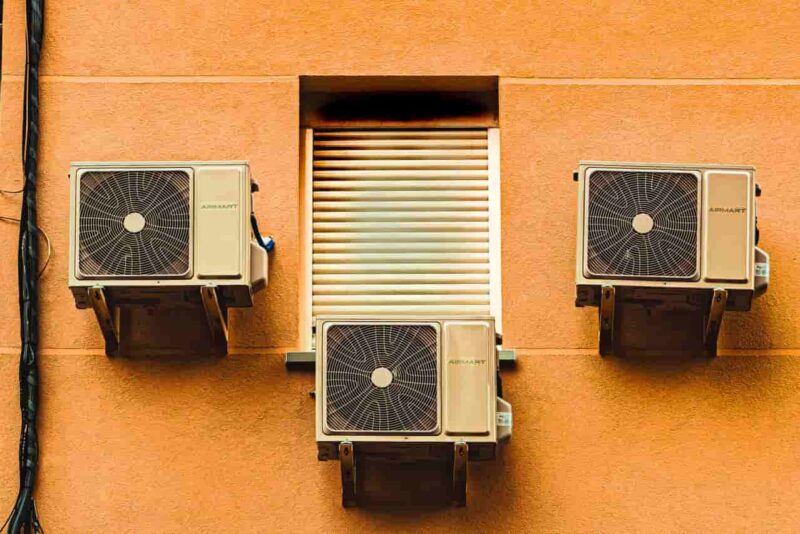
Replacing an HVAC system can be one of the largest home improvement expenses a homeowner faces. A new heating and cooling system can cost thousands of dollars, especially when the project includes new ductwork, electrical upgrades, or a complete system replacement. If you do not have enough cash available, home improvement financing for HVAC can help spread the cost over manageable monthly payments.
Several financing options are available, including HVAC contractor financing, personal loans, home equity loans, HELOCs, and credit union loans. The best option depends on your credit score, home equity, income, project cost, and how quickly you need the work completed.
Get Multiple HVAC Quotes First
Before applying for financing, determine how much your HVAC project will actually cost. Contact several reputable HVAC contractors and request written estimates.
Your quotes should clearly identify the equipment, installation costs, labor, warranty, permits, ductwork, electrical work, and any other charges. Comparing multiple estimates can help you avoid financing more than necessary.
Ask contractors to explain the system’s efficiency rating, expected operating costs, maintenance requirements, and estimated lifespan. A cheaper system is not necessarily the least expensive option over its entire useful life.
It is also important to make sure the HVAC system is properly sized for your home. An oversized or undersized system can affect comfort, efficiency, and operating costs.
Ask About HVAC Contractor Financing
Many HVAC companies offer financing through third-party lenders. Contractor financing can be convenient because you may be able to apply during the sales process and coordinate financing with the installation.
Some promotions advertise low or even 0% interest for a limited period. However, read the financing agreement carefully. Promotional financing may have specific repayment requirements, deferred-interest provisions, origination fees, or higher interest rates after the promotional period.
Do not choose financing solely because the monthly payment looks affordable. Compare the total amount you will repay, the annual percentage rate, loan term, fees, and penalties.
Consider a Personal Home Improvement Loan
A personal loan can be another option for financing an HVAC replacement. Personal loans are generally unsecured, meaning you do not have to use your home as collateral.
The amount available and interest rate depend on factors such as your credit history, income, debt, and the lender’s requirements. A personal loan may be useful when you want a fixed interest rate and predictable monthly payments.
Before accepting an offer, compare the annual percentage rate and total repayment amount rather than focusing only on the monthly payment.
A longer loan term can reduce your monthly payment but increase the total interest you pay.
Use a Home Equity Loan
If you have substantial equity in your home, a home equity loan may provide another financing option for a major HVAC project.
A home equity loan allows you to borrow against your home’s equity and typically provides a fixed amount with scheduled payments. Interest rates can sometimes be lower than those available on unsecured personal loans because the loan is secured by your home.
However, there is an important risk: your home serves as collateral. If you cannot make the required payments, you could face serious financial consequences.
For this reason, a home equity loan should be considered carefully, particularly if your income is uncertain.
Consider a HELOC
A home equity line of credit, or HELOC, provides access to a revolving line of credit based on your home equity.
A HELOC may make sense if your HVAC project could involve unexpected expenses or if you are completing several home improvements over time. Instead of receiving one lump sum, you can generally borrow as needed up to your approved credit limit.
However, HELOCs can have variable interest rates, meaning your payments may change over time. Review the interest-rate structure, repayment period, fees, and potential payment increases before using one to finance an HVAC system.
Look at Credit Union Financing
Credit unions can be worth considering when comparing HVAC financing options. Depending on membership eligibility and your financial profile, a credit union may offer competitive personal loans or home improvement financing.
Compare offers from multiple financial institutions instead of assuming your existing bank will provide the best terms.
When comparing loans, look at the APR, loan term, monthly payment, origination fees, prepayment penalties, and total interest.
Also Read: How to Get Emergency Utility Assistance
Check Utility Rebates and Incentives
Before financing the entire HVAC project, check whether your electricity or natural gas provider offers rebates for energy-efficient equipment.
ENERGY STAR notes that utilities in many parts of the country offer rebates or other incentives for qualifying heat pumps and energy-efficiency upgrades. Its Home Improvement Savings Tool can help consumers identify potential incentives based on location.
A rebate can reduce the amount you need to finance. However, confirm the requirements before purchasing equipment because some programs require specific efficiency ratings, approved equipment, participating contractors, or pre-approval.
Check Current Tax Incentives Carefully
Tax incentives for HVAC upgrades have changed significantly. The federal Energy Efficient Home Improvement Credit generally applied to qualifying improvements made through December 31, 2025, including certain heat pumps, central air conditioners, furnaces, and other energy-efficiency improvements. The IRS states that the credit was available for qualifying property placed in service before December 31, 2025.
Because it is now 2026, homeowners should not assume that an HVAC installation automatically qualifies for the former federal tax credit. Check current IRS guidance and available state or utility incentives before including a tax credit in your financing calculations.
Improve Your Credit Before Applying
Your credit profile can have a major effect on the cost of financing. If your HVAC replacement is not an immediate emergency, improving your credit before applying may help you qualify for better terms.
Paying bills on time, reducing credit card balances, correcting errors on your credit reports, and avoiding unnecessary new credit applications may help strengthen your overall financial profile.
However, do not delay an essential HVAC repair simply to improve your credit score. If your system has failed during extreme weather, safety and basic household needs should take priority.
Avoid Choosing Financing Based Only on Monthly Payments
A low monthly payment does not necessarily mean you are getting a good deal.
For example, extending a loan from five years to ten years can make the monthly payment smaller while significantly increasing the amount of interest paid. A financing offer with a promotional rate may also become expensive after the promotional period ends.
Always calculate the total repayment cost before signing the agreement.
Ask the lender:
- What is the APR?
- Is the interest rate fixed or variable?
- What is the total loan cost?
- Are there origination or application fees?
- Is there a prepayment penalty?
- When does repayment begin?
- What happens when a promotional rate ends?
Choose Financing Based on Your Situation
The best HVAC financing option depends on your circumstances. Contractor financing may be convenient for a fast replacement. A personal loan can provide predictable payments without using your home as collateral. A home equity loan may offer competitive rates for homeowners with substantial equity, while a HELOC can provide flexible access to funds.
If you qualify for rebates, apply those savings toward the project before determining how much you need to borrow.
Final Thoughts
Home improvement financing for HVAC can make an expensive heating or cooling replacement easier to manage, but comparing financing terms is just as important as comparing HVAC systems. Get multiple installation estimates, investigate utility rebates, compare contractor financing with personal loans and home equity options, and calculate the total cost of every financing offer.
Because federal HVAC tax incentives have changed, verify current rules before relying on a tax credit to reduce your project cost.
Most importantly, choose a monthly payment that fits comfortably within your budget. Financing an HVAC system should solve a home improvement need without creating an unmanageable long-term debt burden.
