




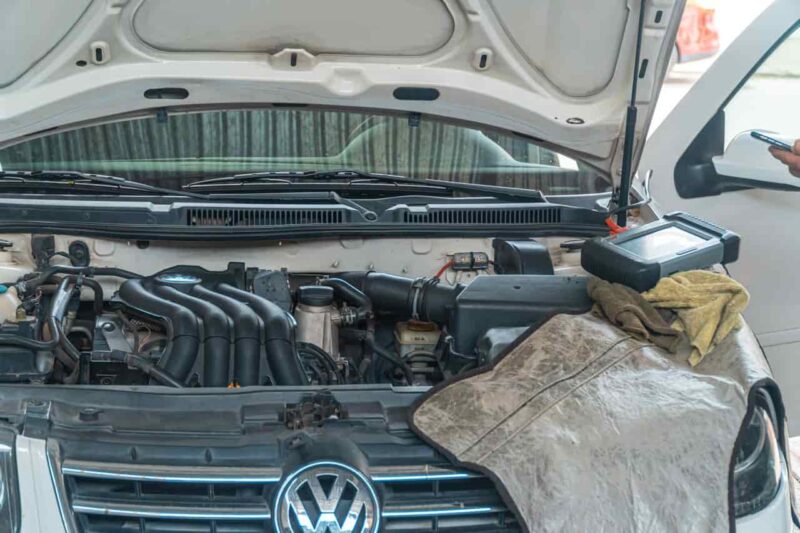
An engine misfire occurs when one or more cylinders fail to burn the air-fuel mixture properly. Instead of producing smooth and consistent combustion, the engine may hesitate, shake, lose power, or run roughly. A misfire can happen in both gasoline and diesel engines, although the causes can differ depending on the engine design.
Engine misfires should not be ignored. A minor ignition problem can sometimes be repaired relatively easily, while continued misfiring can contribute to additional engine or emissions-system problems. Understanding common engine misfire causes can help vehicle owners recognize the warning signs and seek appropriate repairs.
1. Worn or Fouled Spark Plugs
Spark plugs are one of the most common causes of misfires in gasoline engines. They create the spark needed to ignite the air-fuel mixture inside the cylinder.
Over time, spark plugs can become worn, fouled, damaged, or covered with deposits. A weak or inconsistent spark can prevent proper combustion and cause a cylinder to misfire.
Symptoms may include rough idling, hesitation during acceleration, reduced fuel economy, and difficulty starting the engine.
Replacing spark plugs according to the vehicle manufacturer’s maintenance schedule can help prevent ignition-related problems.
2. Faulty Ignition Coils
Ignition coils generate the high voltage required for spark plugs to ignite the fuel mixture. Many modern vehicles use individual coil-on-plug ignition systems, with a separate coil serving each cylinder.
A failing ignition coil can cause a cylinder-specific misfire. The vehicle may run roughly, especially under acceleration or load.
Diagnostic trouble codes such as P0301, P0302, P0303, or P0304 may help identify which cylinder is experiencing a misfire. However, the code identifies the detected condition rather than automatically proving that the ignition coil is defective.
3. Bad or Clogged Fuel Injectors
Fuel injectors deliver fuel into the engine in carefully controlled amounts. If an injector becomes clogged, electrically defective, or otherwise unable to deliver the correct amount of fuel, combustion can become inconsistent.
A restricted injector can cause a lean condition in a particular cylinder, potentially resulting in hesitation, rough running, reduced power, or a misfire.
Fuel-system diagnosis may involve checking injector operation, electrical signals, fuel pressure, and other components before replacing an injector.
4. Vacuum or Intake Leaks
An engine requires the correct balance of air and fuel. A vacuum leak can introduce unmetered air into the intake system, potentially creating a lean air-fuel mixture.
Cracked vacuum hoses, damaged intake components, faulty gaskets, or other air leaks can contribute to rough running and misfires.
Vacuum leaks can sometimes be difficult to identify visually. Professional technicians may use specialized testing equipment to locate small leaks.
5. Low Engine Compression
Engine combustion depends on adequate compression inside each cylinder. If compression is too low, the cylinder may not produce enough power even when the ignition and fuel systems are working correctly.
Low compression can result from problems such as worn piston rings, damaged valves, a failed head gasket, or other internal engine issues.
A compression test or leak-down test can help determine whether an internal mechanical problem is contributing to a misfire.
Because compression-related repairs can be significantly more expensive than replacing a spark plug, proper diagnosis is especially important.
Also Read: Best Home Warranty Companies
6. Fuel Pressure Problems
The engine needs adequate fuel pressure to deliver the correct amount of fuel. A weak fuel pump, restricted fuel filter, faulty pressure regulator, or other fuel-system problem can cause insufficient fuel delivery.
When fuel pressure is too low, the engine may hesitate, lose power, run lean, or misfire.
A technician can measure fuel pressure and compare the results with the manufacturer’s specifications to determine whether the fuel-delivery system is operating correctly.
7. Timing Problems
Correct ignition and valve timing are essential for proper combustion. Problems with variable valve timing systems, timing chains, timing belts, sensors, or related components can interfere with engine operation.
A timing problem may cause multiple cylinders to misfire rather than only one cylinder. The vehicle may also experience poor acceleration, rough idling, unusual engine noises, or difficulty starting.
Timing-related problems should be diagnosed promptly because certain mechanical failures can result in serious engine damage.
8. Mass Airflow or Oxygen Sensor Problems
Modern engines rely on sensors to monitor air entering the engine and combustion-related conditions.
A faulty mass airflow sensor, oxygen sensor, or other engine-management sensor can provide inaccurate information to the engine computer. This may cause an incorrect air-fuel mixture and contribute to poor engine performance or misfires.
However, a sensor-related trouble code does not necessarily mean the sensor itself has failed. Wiring, vacuum leaks, fuel problems, and other issues can sometimes produce similar readings.
9. Carbon Deposits
Carbon deposits can accumulate inside an engine over time. Depending on the engine design and the location of the deposits, they may affect airflow, fuel mixture, valves, or combustion.
Heavy deposits can contribute to rough running, reduced performance, and misfires.
The appropriate repair depends on the cause and severity of the deposits. Simply replacing ignition components may not resolve a misfire caused by an underlying mechanical or combustion problem.
10. Electrical and Wiring Problems
Engine sensors, ignition coils, injectors, and other components depend on electrical connections. Damaged wiring, loose connectors, corrosion, or poor grounds can interrupt the signals or power required for proper engine operation.
Electrical problems can be particularly difficult to diagnose because they may appear intermittently.
A professional diagnosis may include checking wiring continuity, voltage, grounds, connectors, and computer signals.
Common Symptoms of an Engine Misfire
An engine misfire can produce several noticeable symptoms, including:
- Rough or unstable idle
- Engine shaking or vibration
- Hesitation during acceleration
- Reduced engine power
- Poor fuel economy
- Difficulty starting
- Unusual engine sounds
- Check engine light
- Flashing check engine light in more severe situations
The EPA explains that a malfunction indicator light can alert drivers when the vehicle’s onboard diagnostic system detects certain problems. A flashing malfunction indicator light can indicate a more serious condition that requires prompt attention. (epa.gov)
How to Diagnose an Engine Misfire
The first step is often retrieving diagnostic trouble codes with an OBD-II scanner. Codes beginning with P0300 generally indicate random or multiple-cylinder misfires, while P0301 and similar codes can identify a particular cylinder.
Diagnosis should then continue beyond the code. A technician may inspect spark plugs, ignition coils, fuel injectors, fuel pressure, intake leaks, sensor readings, compression, and engine timing.
Replacing parts without confirming the cause can become expensive and may fail to solve the problem.
Can You Drive With an Engine Misfire?
It depends on the severity of the problem. A vehicle with a mild misfire may still operate, but continued driving can allow the underlying problem to worsen.
If the engine is shaking severely, losing substantial power, overheating, producing unusual noises, or the check engine light is flashing, it is safer to stop driving and arrange professional diagnosis.
A persistent misfire can also affect the catalytic converter and other emissions components.
Final Thoughts
Engine misfire causes range from relatively simple problems such as worn spark plugs to more serious issues involving fuel delivery, compression, timing, or internal engine components. The symptoms can also vary significantly between vehicles.
An OBD-II scanner can provide a useful starting point, but a trouble code should not automatically be interpreted as a failed part. Proper testing is necessary to determine the underlying cause.
For additional information about vehicle emissions and onboard diagnostics, drivers can review the U.S. Environmental Protection Agency’s vehicle emissions resources.
