

Tie rods are important steering components that connect the steering system to the front wheels. They help transfer steering input and allow the wheels to turn when you move the steering wheel. When a tie rod becomes worn or damaged, it can affect steering precision, tire wear, alignment, and vehicle stability.
Recognizing bad tie rod symptoms early can help prevent additional suspension damage and potentially dangerous handling problems. Here are seven common signs that your tie rods may need inspection or replacement.
1. Loose or Unresponsive Steering
One of the most common bad tie rod symptoms is loose steering. The steering wheel may feel less precise than usual, and the vehicle may not respond immediately when you make small steering adjustments.
A worn tie rod can develop excessive play at its joint. This creates movement between the steering components and wheels, reducing steering precision.
If the steering suddenly feels significantly looser than normal, the vehicle should be inspected promptly.
2. Clunking or Knocking Sounds
A worn tie rod end can produce a clunking, knocking, or clicking sound from the front suspension.
The noise may become noticeable when turning the steering wheel, driving over bumps, or traveling on uneven roads. As the joint wears, it can move excessively and make contact with other components.
However, ball joints, sway bar links, control arm bushings, and other suspension components can create similar noises. A physical inspection is necessary to determine the actual source.
3. Uneven Tire Wear
Bad tie rods can contribute to improper wheel alignment and unusual tire wear.
You may notice that the inside or outside edge of a front tire is wearing faster than the rest of the tread. In some cases, the tire may develop irregular or feathered wear patterns.
Uneven tire wear can also result from incorrect alignment, worn ball joints, damaged control arms, incorrect tire pressure, or wheel problems. If abnormal wear appears together with loose steering, the tie rods should be checked.
4. Steering Wheel Vibration
A worn tie rod may contribute to vibration that can be felt through the steering wheel.
The vibration may become more noticeable when driving over rough roads or at certain speeds. Excessive movement in the steering linkage can prevent the front wheels from maintaining consistent alignment.
However, steering wheel vibration is not specific to tie rods. Wheel imbalance, damaged tires, bent wheels, wheel bearings, suspension problems, and alignment issues can cause similar symptoms.
A complete front-end inspection can help identify the source.
5. Vehicle Pulling or Wandering
A vehicle with worn steering components may feel as though it wanders or requires constant steering corrections.
You might notice that the car does not maintain a straight path as easily as it used to. It may also pull toward one side, particularly when road conditions change.
Although tie rod wear can affect steering geometry, pulling can have several other causes, including tire pressure differences, wheel alignment, brake problems, and suspension wear.
A professional alignment and steering inspection can determine whether the tie rods are contributing to the problem.
6. Steering Wheel Is Off-Center
If the steering wheel is noticeably off-center while the vehicle is traveling straight, there may be an alignment or steering problem.
A worn or damaged tie rod can alter the relationship between the steering rack and wheel. Adjustments to tie rods are also commonly involved in setting front-wheel alignment.
An off-center steering wheel does not automatically mean the tie rods are bad. Alignment changes can result from pothole impacts, worn suspension components, tire problems, or previous repairs.
If the steering wheel remains off-center after an alignment, the steering system should be inspected further.
Also Read: Honda Accord Suspension Repair Cost
7. Excessive Movement in the Tie Rod
The most reliable way to identify a worn tie rod is through a proper inspection.
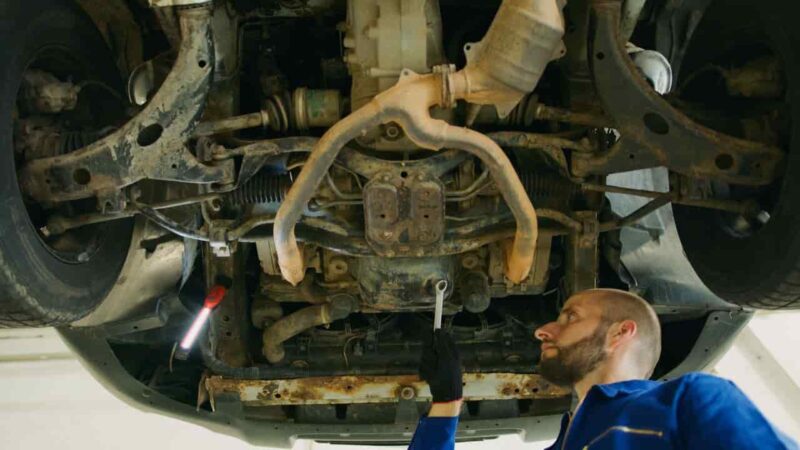
A mechanic can safely raise the vehicle and check the steering linkage for excessive movement. The tie rod ends, steering rack connections, protective boots, and related components can be examined for wear or damage.
A damaged rubber boot can allow dirt and moisture to enter the joint while allowing lubrication to escape. This can accelerate wear and eventually create excessive play.
Do not rely solely on visual inspection because some worn tie rods may not show obvious external damage.
What Causes Tie Rods to Go Bad?
Tie rods experience constant steering loads and movement, so wear naturally occurs over time. Potholes, rough roads, curbs, accidents, and severe impacts can accelerate damage.
The protective boot around a tie rod end can also deteriorate with age. Once the boot becomes damaged, contamination can enter the joint and increase wear.
Other suspension or steering problems can also place additional stress on tie rod components.
Can You Drive With a Bad Tie Rod?
Driving with a severely worn tie rod can be dangerous because tie rods are directly involved in steering the vehicle.
If a tie rod develops significant play, steering may become unpredictable. In an extreme failure, the affected wheel may no longer respond correctly to steering input.
If you experience loose steering, severe clunking, unusual tire wear, or major steering changes, avoid unnecessary driving and have the vehicle inspected as soon as possible.
How Are Bad Tie Rods Repaired?
The repair usually involves replacing the worn tie rod end or another affected steering component. Depending on the vehicle’s design, the inner tie rod, outer tie rod end, or both may require replacement.
After tie rod replacement, a wheel alignment is generally recommended because changing tie rod length affects the front wheel’s toe setting.
A mechanic should inspect the complete steering and suspension system before completing the repair.
Final Thoughts
Bad tie rod symptoms can include loose steering, clunking noises, uneven tire wear, steering wheel vibration, vehicle wandering, an off-center steering wheel, and excessive movement in the steering linkage.
Because tie rods are essential to vehicle steering, unusual symptoms should not be ignored. Early diagnosis can help prevent premature tire wear and additional suspension problems while maintaining proper steering control.
If you suspect a bad tie rod, have a qualified mechanic inspect the steering system and confirm the failed component before replacing any parts.
