




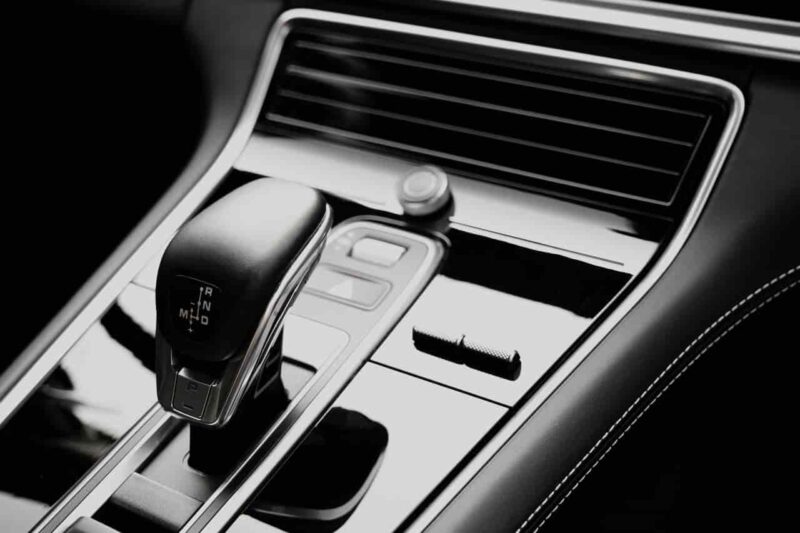
A vehicle’s transmission generates heat during normal operation, but excessive heat can cause serious damage. Automatic transmissions are particularly sensitive to high temperatures because transmission fluid performs several important functions, including lubricating internal components, transferring hydraulic pressure, and helping control operating temperatures.
When a transmission becomes too hot, the fluid can deteriorate and lose some of its protective properties. Continued overheating may damage clutches, seals, bearings, gears, and other internal components.
Recognizing transmission overheating symptoms early can help prevent a relatively manageable problem from becoming an expensive transmission repair or replacement.
1. Burning Smell
One of the most noticeable symptoms of an overheating transmission is a burning odor. Overheated transmission fluid can develop a strong burnt smell as its properties deteriorate.
You may notice the smell after driving in heavy traffic, towing a trailer, climbing steep hills, or operating the vehicle under significant load.
A burning smell should not be ignored. Engine oil, brakes, wiring, or other components can also produce burning odors, so identifying the source is important.
If the smell appears repeatedly after driving, have the vehicle inspected.
2. Transmission Slipping
Transmission slipping occurs when the transmission does not maintain the expected gear or the engine speed rises without a corresponding increase in vehicle speed.
An overheating transmission may develop shifting problems because excessive heat can affect the transmission fluid and hydraulic operation.
You may notice the engine RPM increasing suddenly while the vehicle accelerates slowly. The transmission may also seem to shift between gears unexpectedly.
Slipping is a serious symptom because continued operation can increase wear on internal clutch components.
3. Delayed Gear Engagement
Another potential symptom is a delay when shifting from Park into Drive or Reverse.
Normally, the transmission should engage within a short period after selecting a gear. If there is a noticeable delay followed by a sudden engagement, excessive heat, low fluid level, deteriorated fluid, or another transmission problem may be involved.
Delayed engagement can become more noticeable after the vehicle has been driven for an extended period and the transmission reaches higher operating temperatures.
4. Harsh or Erratic Shifting
An overheated transmission may begin shifting differently from normal. You could experience hard shifts, jerking, hesitation, or inconsistent gear changes.
Transmission control systems depend on fluid pressure, temperature information, and electronic controls to determine how and when gears should change.
High temperatures can affect fluid performance and certain transmission components, potentially contributing to abnormal shifting.
If the vehicle suddenly begins shifting harshly, avoid assuming that overheating is the only possible cause. Low fluid, solenoid problems, sensor failures, software issues, and internal wear can produce similar symptoms.
5. Transmission Warning Light
Some modern vehicles have a dedicated transmission temperature warning light or message. Others may illuminate the check engine light or display a general transmission warning.
If a warning appears, consult the owner’s manual to determine what the message means. Some vehicles provide a specific transmission temperature reading, while others simply alert the driver when the system detects an abnormal condition.
Do not ignore a transmission temperature warning, especially if it appears together with slipping, burning odors, or unusual shifting.
6. Transmission Fluid Leak
Low transmission fluid can contribute to overheating because the transmission may not have enough fluid for proper lubrication, hydraulic operation, and heat management.
Look for reddish, brown, or other fluid underneath the vehicle, although fluid color varies depending on the type and age of the transmission fluid.
A leak should be repaired rather than simply topping off the fluid repeatedly. Continuing to drive with a significant fluid leak can cause additional transmission damage.
Also Read: Extended Warranty Vs Paying Rapair Costs
7. Dark or Burnt Transmission Fluid
Healthy transmission fluid is generally clean and has a relatively consistent appearance appropriate to its type. Over time, fluid can become darker as it ages and is exposed to heat.
Extremely dark fluid or fluid with a burnt odor may indicate excessive heat or deterioration.
Checking transmission fluid is not possible in the same way on every vehicle. Many modern transmissions are sealed or require a specific procedure for checking fluid level and condition.
Always follow the manufacturer’s recommended procedure.
8. Reduced Vehicle Performance
Transmission overheating can result in reduced performance. The vehicle may accelerate slowly, struggle to maintain speed, or fail to shift normally.
Some transmissions have protective strategies that reduce performance or limit gear operation when temperatures become excessive.
This can help protect internal components from further damage. If your vehicle suddenly enters a reduced-power or limited-gear mode, have it diagnosed rather than continuing to drive normally.
9. Unusual Transmission Noises
Excessive heat can contribute to unusual sounds from the transmission, particularly when fluid condition has deteriorated or internal components have already experienced wear.
Possible sounds include whining, humming, buzzing, grinding, or clunking.
Noise alone does not prove that the transmission is overheating. Low fluid, damaged bearings, worn gears, differential problems, and other mechanical issues can cause similar sounds.
A professional inspection can help identify the source.
10. Temperature Problems While Towing
Towing and hauling place additional demands on a transmission. Driving uphill, carrying heavy loads, or towing in hot weather can increase transmission temperatures.
If overheating symptoms appear primarily during towing, the vehicle may be operating beyond the conditions it was designed to handle or may have an existing cooling or transmission problem.
Follow the manufacturer’s towing recommendations and avoid exceeding the vehicle’s rated capacity.
Common Causes of Transmission Overheating
Several conditions can cause transmission temperatures to rise excessively.
Common causes include:
- Low transmission fluid
- Old or deteriorated fluid
- Transmission fluid leaks
- Heavy towing
- Frequent stop-and-go driving
- Aggressive driving
- Driving on steep grades
- Inadequate transmission cooling
- Blocked or damaged transmission cooler
- Internal transmission problems
In some vehicles, a malfunctioning cooling system or restricted fluid flow can also contribute to excessive transmission temperatures.
What to Do if Your Transmission Overheats
If you notice a burning smell, severe slipping, warning messages, or other signs of overheating, avoid continuing to drive unnecessarily.
If the vehicle is safe to stop, pull over and allow the transmission to cool. Check the owner’s manual for specific instructions. Do not immediately open or handle hot transmission components because fluids and components can reach dangerous temperatures.
If the problem returns after cooling, have the vehicle inspected.
A technician may check fluid level and condition, inspect for leaks, evaluate the transmission cooler, scan electronic control systems, and test for stored diagnostic trouble codes.
Can Overheating Damage a Transmission?
Yes. Repeated or severe overheating can accelerate transmission-fluid deterioration and contribute to damage involving internal clutches, seals, bearings, and other components.
The longer a vehicle operates under severe overheating conditions, the greater the potential for expensive repairs.
Early diagnosis is therefore important. A fluid leak or cooling problem may be less expensive to address than a transmission that has already suffered extensive internal damage.
How to Prevent Transmission Overheating
Regular maintenance can reduce the risk of transmission temperature problems. Follow the manufacturer’s recommendations for transmission fluid inspection and replacement.
If you frequently tow or drive under severe conditions, check whether the manufacturer specifies a different maintenance schedule.
Keep the transmission cooling system in good condition and address fluid leaks promptly.
Avoid exceeding your vehicle’s towing capacity and pay attention to warning lights, unusual smells, and changes in shifting behavior.
Final Thoughts
Common transmission overheating symptoms include a burning smell, slipping gears, delayed engagement, harsh shifting, warning lights, fluid leaks, dark or burnt-smelling fluid, reduced performance, and unusual transmission noises.
These symptoms can also be caused by other transmission or vehicle problems, so overheating should be confirmed through proper diagnosis.
If you suspect your transmission is overheating, stop driving when it is safe to do so and allow the vehicle to cool. Have the fluid, cooling system, leaks, and transmission operation inspected before continuing normal use.
Addressing overheating early can help protect the transmission and potentially prevent a much more expensive repair.
