

Ball joints are important suspension and steering components that allow the wheels to move while maintaining a connection between the control arms and steering knuckles. When a ball joint begins to wear out, it can affect steering, handling, tire wear, and overall vehicle stability.
Recognizing bad ball joint symptoms early can help prevent more expensive suspension repairs and potentially dangerous driving conditions. Below are seven common signs of a bad ball joint and what they can mean for your vehicle.
1. Clunking or Knocking Noise
One of the most common bad ball joint symptoms is a clunking or knocking sound from the front suspension.
You may hear the noise when driving over potholes, speed bumps, rough roads, or uneven surfaces. The sound can become more noticeable as the ball joint develops excessive play.
A worn ball joint allows the suspension components to move beyond their normal range. This movement can create a noticeable knocking or clunking sound.
However, other suspension components, including sway bar links, control arm bushings, and strut mounts, can produce similar noises. A proper inspection is necessary to identify the exact cause.
2. Loose or Unstable Steering
A damaged ball joint can affect how precisely the wheel responds to steering input.
You may notice that the steering feels loose, vague, or less responsive than normal. The vehicle may also require small steering corrections to maintain a straight path.
Excessive ball joint movement can change the position of the steering knuckle and wheel. As wear increases, the vehicle’s handling may become increasingly unpredictable.
If your steering suddenly feels significantly different, have the suspension inspected rather than continuing to drive normally.
3. Uneven Tire Wear
Another common sign of a bad ball joint is unusual or uneven tire wear.
A worn ball joint can allow the wheel to move or change position while the vehicle is being driven. This can affect wheel alignment and cause the tire to wear faster on one side.
Look for excessive wear along the inner or outer edge of the tire. However, uneven tire wear can also result from incorrect alignment, worn suspension components, improper tire pressure, or damaged steering parts.
If you notice unusual tire wear together with clunking or loose steering, a suspension inspection is recommended.
4. Vehicle Pulling to One Side
A vehicle with worn suspension components may not track straight.
If a ball joint has significant wear, changes in suspension geometry can affect the vehicle’s alignment. You may notice the car pulling toward one side while driving on a relatively flat road.
Pulling can have many causes, including incorrect wheel alignment, unequal tire pressure, brake problems, tire defects, and worn steering components. Therefore, this symptom alone does not confirm a bad ball joint.
A technician should inspect the complete steering and suspension system.
5. Steering Wheel Vibration
A worn ball joint can sometimes contribute to steering wheel vibration, particularly when driving at higher speeds or over uneven roads.
The vibration may become more noticeable as suspension wear increases. You may also feel unusual movement through the steering wheel when going over bumps.
Wheel imbalance, damaged tires, bent wheels, worn tie rods, wheel bearings, and alignment problems can create similar symptoms. A professional inspection can help determine whether the ball joint is responsible.
6. The Vehicle Feels Unstable Over Bumps
A vehicle with a worn ball joint may feel less stable when traveling over rough surfaces.
Instead of maintaining consistent wheel control, the suspension may feel loose or unpredictable. You may notice that the vehicle moves around more than usual after hitting a bump.
The steering may also require additional correction after crossing uneven pavement.
This symptom can indicate several suspension problems, but a loose ball joint should be checked because it plays an important role in maintaining the wheel’s position.
Also Read: Honda Accord Suspension Repair Cost
7. Excessive Ball Joint Play
The most direct way to identify a worn ball joint is to check for excessive movement.
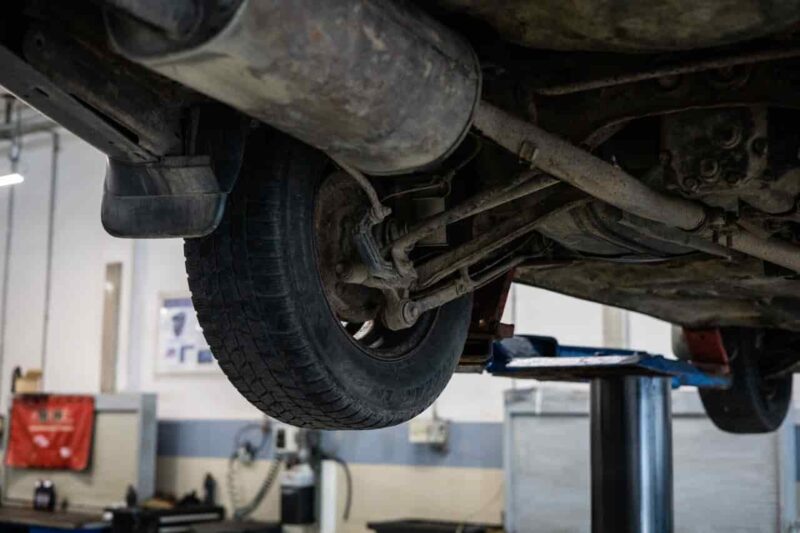
During a professional inspection, the vehicle can be safely lifted and the suspension components examined for abnormal play. Depending on the vehicle design, a mechanic may check wheel movement and inspect the ball joint itself.
Some modern ball joints are difficult to diagnose through simple movement tests, so manufacturers’ inspection procedures should be followed.
A damaged dust boot, grease leakage, corrosion, or visible deterioration can also provide clues that the ball joint requires attention.
What Causes Ball Joints to Wear Out?
Ball joints naturally wear over time because they constantly move while supporting suspension loads. Road conditions can accelerate wear, particularly when a vehicle frequently encounters potholes, rough roads, or heavy impacts.
A damaged protective boot can also allow water and dirt to enter the joint while allowing grease to escape. Once lubrication is compromised, wear can accelerate significantly.
Vehicle age, mileage, suspension design, driving conditions, and replacement-part quality can all affect ball joint lifespan.
Can You Drive With a Bad Ball Joint?
Driving with a severely worn ball joint can be dangerous. If the joint develops excessive play or fails completely, the wheel can move out of its intended position and potentially cause a serious loss of steering or suspension control.
If you notice clunking combined with loose steering, major vibration, unusual tire wear, or visible suspension damage, have the vehicle inspected as soon as possible.
Avoid high-speed driving until the problem has been properly diagnosed.
How Much Does Ball Joint Replacement Cost?
Ball joint replacement costs vary depending on the vehicle, labor rates, parts, and whether the ball joint is replaceable separately or is integrated into another suspension component.
Some vehicles require replacement of the entire control arm assembly, while others allow the ball joint to be replaced separately. Additional costs may apply if an alignment is recommended after the repair.
The best way to determine the actual repair cost is to obtain a diagnosis and estimate specific to your vehicle.
Final Thoughts
The most common bad ball joint symptoms include clunking noises, loose steering, uneven tire wear, pulling, steering vibration, instability over bumps, and excessive joint play.
Because ball joints are critical suspension and steering components, unusual symptoms should not be ignored. Early inspection can help prevent additional tire and suspension damage while reducing the risk of a serious failure.
If you suspect a bad ball joint, have a qualified mechanic inspect the suspension and confirm the source of the problem before replacing parts.
