



Transmission maintenance is essential for keeping your vehicle shifting smoothly and preventing expensive drivetrain repairs. Whether your car uses an automatic transmission, manual transmission, or continuously variable transmission (CVT), proper care can help reduce wear and improve long-term reliability.
The transmission contains numerous moving components that operate under heat, pressure, and friction. Neglecting maintenance can cause fluid breakdown, overheating, premature component wear, and eventually transmission failure. Following the correct service schedule is therefore an important part of responsible vehicle ownership.
Why Is Transmission Maintenance Important?
A transmission transfers engine power to the wheels while controlling speed and torque. Automatic transmissions use complex hydraulic, mechanical, and electronic systems, while manual transmissions rely more heavily on gears, shafts, bearings, and a clutch.
Transmission fluid lubricates internal components, helps control temperature, and allows hydraulic systems to operate correctly in many automatic transmissions.
Over time, fluid can deteriorate because of heat and contamination. Maintaining the transmission helps keep these systems operating properly and can reduce the likelihood of premature wear.
Check Transmission Fluid
One of the most important transmission maintenance tasks is checking the fluid when the vehicle’s design and manufacturer procedure allow it.
Transmission fluid should generally have an appropriate level and appearance. Dark, contaminated, or burnt-smelling fluid can indicate deterioration or an underlying problem.
However, fluid color alone does not always determine whether a transmission needs service. Always follow the manufacturer’s inspection procedure because some modern vehicles have sealed transmissions without a conventional dipstick.
Also Read: Car Goes into Gear but won’t move
Change Transmission Fluid at the Correct Interval
Transmission fluid does not last forever. Heat, friction, and contamination can gradually reduce its effectiveness.
The correct replacement interval depends on the vehicle, transmission type, driving conditions, and manufacturer recommendations. Some vehicles require fluid replacement at specific mileage intervals, while others use condition-based or maintenance schedules.
Severe driving conditions, such as frequent towing, heavy traffic, mountainous driving, or extreme temperatures, may require more frequent servicing.
Always use the fluid specification recommended for your specific transmission. Using an incompatible fluid can cause shifting problems and potentially damage internal components.
Automatic Transmission Maintenance
Automatic transmissions require careful fluid maintenance because fluid performs several functions beyond lubrication. It can also provide hydraulic pressure and help operate clutches and other internal systems.
Drivers should pay attention to delayed engagement, harsh shifting, slipping, unusual noises, or changes in transmission behavior.
Regular inspections can identify fluid leaks and other problems before they develop into major failures. If fluid is leaking, simply adding more fluid is not a permanent solution. The source of the leak should be identified and repaired.
CVT Transmission Maintenance
Continuously variable transmissions operate differently from conventional automatic transmissions. They use variable pulley ratios and a belt or chain system rather than traditional fixed gears.
CVTs can be sensitive to fluid condition and the correct fluid specification. Never assume that conventional automatic transmission fluid is suitable for a CVT.
Follow the manufacturer’s service recommendations and use the specified CVT fluid. Warning signs such as shuddering, unusual whining, delayed acceleration, or abnormal engine RPM behavior should be investigated promptly.
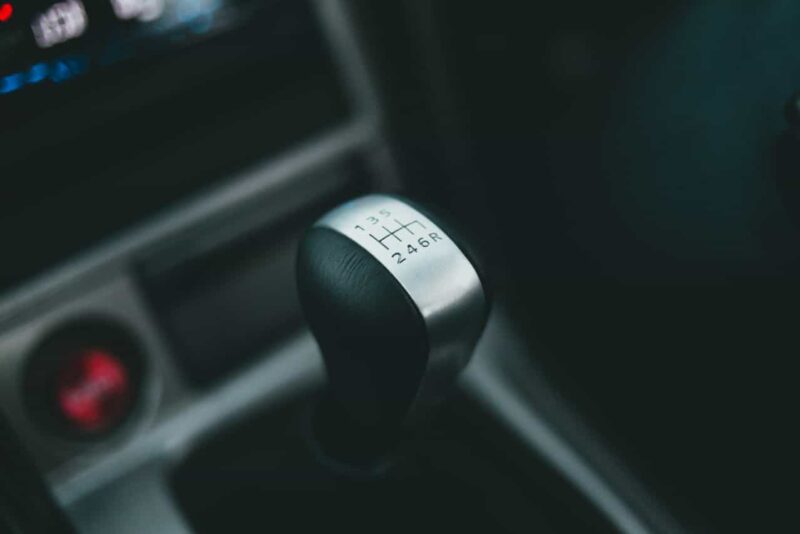
Manual Transmission Maintenance
Manual transmissions also require proper lubrication, even though they operate differently from automatic units.
Transmission fluid or gear oil should be checked and replaced according to the manufacturer’s recommendations. Low fluid can increase friction and accelerate wear on gears and bearings.
The clutch should also be monitored. Symptoms such as clutch slipping, difficulty selecting gears, grinding, or a high engagement point can indicate clutch or transmission-related problems.
Keep the Transmission Cool
Excessive heat is one of the major enemies of transmission components. High temperatures can accelerate fluid deterioration and increase internal wear.
The transmission cooling system should be inspected during routine maintenance. Depending on the vehicle, cooling may involve a dedicated transmission cooler or integration with the engine cooling system.
If your vehicle regularly tows heavy loads or operates under severe conditions, follow the manufacturer’s recommendations for additional cooling and maintenance.
Recognize Transmission Warning Signs
Early symptoms should never be ignored. Common warning signs include delayed gear engagement, slipping, hard or jerky shifting, unusual whining or grinding noises, shuddering, fluid leaks, burning smells, and warning lights.
A vehicle that suddenly loses drive or experiences severe transmission symptoms should be inspected immediately.
Continuing to drive with a serious transmission problem can increase internal damage and turn a potentially manageable repair into a complete transmission replacement.
Avoid Aggressive Driving
Driving habits can affect transmission longevity. Frequent hard acceleration, excessive towing, rapid gear changes, and unnecessary high-temperature operation can increase stress on transmission components.
When towing, stay within the vehicle’s rated capacity and follow the manufacturer’s recommendations for transmission operation.
Smooth acceleration and proper use of the correct gear can reduce unnecessary drivetrain stress.
Use Professional Transmission Service
Transmission servicing should be performed according to the vehicle manufacturer’s procedure. Some transmissions have specific fluid-level checking temperatures, filling procedures, or electronic adaptations.
A qualified technician can inspect the transmission for leaks, scan for diagnostic trouble codes, evaluate fluid condition, and identify abnormal operation.
Avoid unnecessary transmission flushes or additives without understanding whether they are appropriate for your specific vehicle. The correct service procedure is more important than simply performing additional maintenance.
Keep Maintenance Records
Maintaining detailed service records makes it easier to track fluid changes, repairs, inspections, and upcoming maintenance.
Records are particularly valuable when buying or selling a used vehicle. They provide evidence that important transmission services were performed and can help technicians understand the vehicle’s maintenance history.
Final Thoughts
Transmission maintenance is a crucial part of keeping a vehicle dependable and avoiding expensive repairs. Checking fluid levels when appropriate, using the correct fluid, following recommended service intervals, keeping the transmission cool, and responding quickly to warning signs can significantly improve long-term reliability.
Automatic, manual, and CVT transmissions all have different maintenance requirements, so there is no universal service schedule. Always follow the manufacturer’s recommendations for your specific vehicle.
Regular maintenance may seem like an added expense, but it is generally far less costly than dealing with severe transmission damage. A consistent maintenance routine can help your transmission shift properly, operate efficiently, and deliver reliable performance for many years.
