




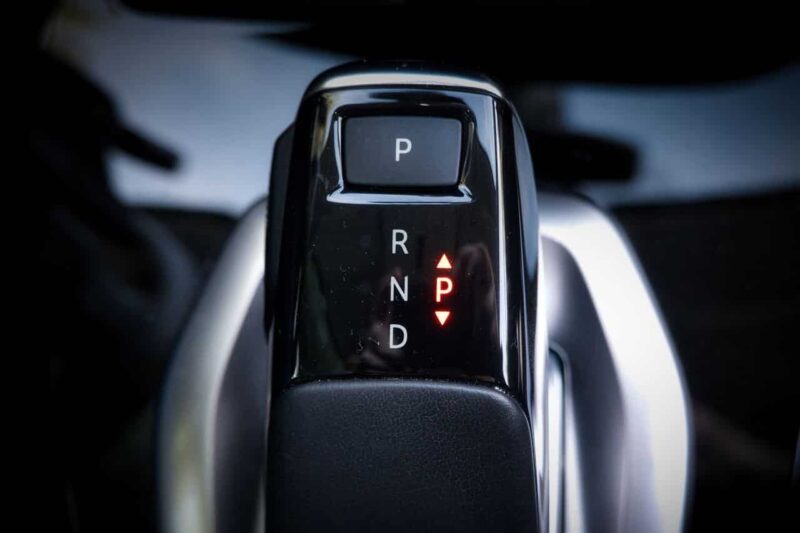
An automatic transmission should shift smoothly between gears while maintaining consistent acceleration and engine performance. When an automatic transmission is not shifting properly, the vehicle may hesitate, jerk, slip, stay in one gear, or struggle to accelerate. These problems can be caused by something as simple as low transmission fluid or may indicate a more serious mechanical or electronic failure.
Understanding the common causes of shifting problems can help you identify the issue early and avoid expensive transmission damage.
Common Symptoms of Transmission Shifting Problems
A transmission that is not shifting correctly can produce several noticeable symptoms. One of the most common is delayed shifting, where the engine increases in RPM but the transmission takes too long to change gears.
Other symptoms include hard or jerky shifts, slipping between gears, unexpected downshifting, failure to shift into higher gears, or the transmission becoming stuck in one gear. You may also notice unusual noises, burning smells, or a check engine or transmission warning light.
If the vehicle suddenly loses the ability to accelerate normally, the problem should be inspected promptly.
Low or Dirty Transmission Fluid
Transmission fluid plays an important role in automatic transmission operation. It lubricates internal components, helps control temperature, and provides hydraulic pressure needed for gear changes.
Low transmission fluid can cause delayed, harsh, or inconsistent shifting. A fluid leak may be responsible for the low level, while old or contaminated fluid can reduce transmission performance.
Dark, burnt-smelling, or contaminated fluid can indicate excessive heat or internal wear. The correct fluid type and level should always be verified according to the vehicle manufacturer’s specifications.
Faulty Shift Solenoids
Shift solenoids control the flow of transmission fluid through passages inside the transmission. The transmission control system uses these components to determine when gears should change.
A defective or sticking solenoid can cause delayed shifts, harsh gear changes, failure to shift, or the transmission becoming stuck in a particular gear.
Because solenoids are controlled electronically, a diagnostic scan can often identify related trouble codes. However, the code itself does not always mean the solenoid is the only problem, so proper testing is important.
Transmission Speed Sensor Problems
Automatic transmissions rely on speed sensors to determine vehicle speed and transmission input or output speed. This information helps the transmission control module select the appropriate gear.
If a speed sensor provides incorrect information, the transmission may shift at the wrong time or fail to shift normally. Symptoms can include erratic shifting, incorrect speedometer readings, warning lights, or transmission operation that changes unpredictably.
Replacing a defective sensor may solve the problem, but wiring and electrical connections should also be checked.
Also Read: Enterprise Generative AI
Throttle Position and Engine Problems
Transmission shifting is closely connected to engine operation. The transmission control system uses information from the engine, including throttle position and engine load, to determine appropriate shift points.
A faulty throttle position sensor, mass airflow sensor, or other engine management component can sometimes create shifting complaints. Engine problems such as misfires can also make gear changes feel harsh or abnormal.
For this reason, diagnosing the engine and transmission together is often necessary.
Worn Transmission Components
Internal transmission wear can cause more serious shifting problems. Clutch packs, bands, bearings, gears, and other components can wear over time, especially when a vehicle has high mileage or has experienced excessive heat.
Worn internal components may cause transmission slipping, delayed engagement, harsh shifting, or difficulty staying in gear.
If transmission fluid contains significant metal particles or other debris, it may indicate internal wear. In severe cases, rebuilding or replacing the transmission may be necessary.
Transmission Control Module Issues
Modern automatic transmissions use electronic control modules to manage shifting. The transmission control module receives information from multiple sensors and uses programmed strategies to control solenoids and shift timing.
Electrical problems, damaged wiring, poor connections, software issues, or module faults can interfere with normal transmission operation.
A professional diagnostic scan can help identify communication problems and stored transmission-related fault codes.
Overheating Transmission
Excessive heat is one of the major causes of automatic transmission damage. Heavy towing, aggressive driving, low fluid levels, restricted cooling systems, and certain mechanical problems can increase transmission temperatures.
Overheated fluid can lose some of its protective properties, increasing wear on internal components. A transmission that works normally when cold but shifts poorly after driving for an extended period may have a heat-related problem.
How Transmission Shifting Problems Are Diagnosed
A technician will usually begin by checking for diagnostic trouble codes and examining the transmission fluid. The vehicle may then be inspected for leaks, damaged wiring, sensor problems, and other visible issues.
Depending on the symptoms, additional testing may include checking fluid pressure, monitoring sensor data, testing solenoids, and performing a road test.
Accurate diagnosis is important because replacing parts without identifying the underlying cause can become expensive without solving the problem.
Repair Options
The appropriate repair depends on the cause. Low fluid or an external leak may require fluid correction and leak repair. A failed sensor or solenoid may require component replacement.
More severe internal damage may require transmission repair, rebuilding, or replacement. In some cases, software updates or electrical repairs can resolve shifting problems without opening the transmission.
Avoid continuing to drive aggressively when the transmission is slipping or shifting violently. Continued operation can increase heat and potentially worsen internal damage.
Preventing Automatic Transmission Problems
Regular maintenance can help extend transmission life. Follow the manufacturer’s recommendations for fluid inspection and service, use the correct transmission fluid, and address leaks as soon as they appear.
Keeping the cooling system in good condition can also help control transmission temperatures. Vehicles used for towing or demanding driving may require additional attention to transmission cooling and maintenance.
Conclusion
When an automatic transmission is not shifting properly, the cause can range from low or contaminated fluid to faulty sensors, solenoids, overheating, electronic problems, or internal mechanical wear. Recognizing symptoms early gives you a better chance of correcting the problem before major damage occurs.
If your vehicle is experiencing delayed, harsh, slipping, or missing gear changes, proper diagnosis should be performed rather than simply replacing parts. Early attention, correct maintenance, and timely repairs can help keep an automatic transmission operating smoothly and reliably.
