




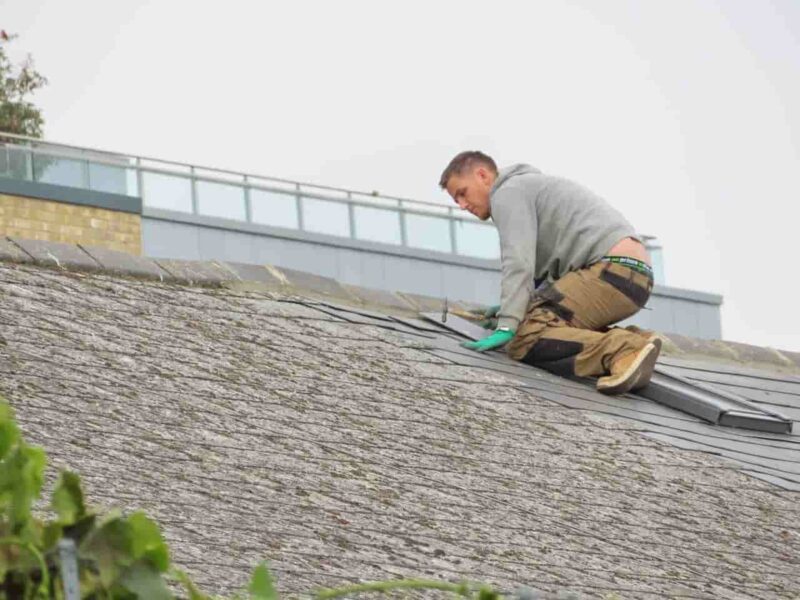
Replacing a damaged or aging roof can be one of the most expensive home improvement projects a homeowner faces. Depending on the size of the house, roofing materials, labor costs, and the extent of structural damage, a roof replacement can cost thousands of dollars. For homeowners who do not have enough savings available, roof replacement financing can make the project more manageable.
Understanding your financing options can help you choose a payment plan that fits your budget while addressing roofing problems before they become more expensive.
What Is Roof Replacement Financing?
Roof replacement financing refers to loans, credit options, payment plans, or other financial solutions used to pay for a new roof. Instead of paying the entire roofing bill upfront, homeowners may spread the cost over several months or years.
Financing can be particularly useful when a roof needs immediate replacement because of leaks, storm damage, missing shingles, or structural deterioration.
Common financing options include personal loans, home equity loans, home equity lines of credit, contractor financing, and credit cards.
How Much Does Roof Replacement Cost?
Roof replacement costs vary significantly based on several factors. The size and slope of the roof, roofing material, labor rates, removal of the existing roof, permits, and repairs to the underlying structure can all affect the final price.
Asphalt shingles are generally among the more affordable roofing materials, while metal, tile, slate, and other premium materials can cost considerably more.
Before applying for financing, request estimates from multiple reputable roofing contractors. Comparing estimates can help you understand the expected project cost and identify differences in materials and labor.
Also Read: Best Financial Advisor for Retirement Planning
Personal Loans for Roof Replacement
A personal loan is one option for homeowners who need financing without using their home as collateral. Depending on the lender, borrowers may receive a fixed interest rate and predictable monthly payments.
Personal loans can be convenient because the application process may be relatively straightforward. However, interest rates and loan terms vary based on factors such as credit history, income, debt, and the lender’s requirements.
Compare annual percentage rates, origination fees, repayment periods, and total borrowing costs before choosing a personal loan.
Home Equity Financing
Homeowners who have built equity in their property may consider a home equity loan or home equity line of credit.
A home equity loan typically provides a lump sum that is repaid through scheduled payments. A HELOC generally provides access to a revolving credit line.
Because these financing options use the home as collateral, homeowners should carefully consider the risks. Failure to make required payments could potentially put the property at risk.
Contractor Financing
Some roofing companies offer financing through third-party financial providers. Contractor financing may allow homeowners to apply for funding while arranging the roofing project.
These programs can sometimes provide promotional rates or payment options, but terms differ widely. Read the financing agreement carefully and determine whether promotional interest rates eventually increase.
It is also important to evaluate the roofing contractor separately from the financing offer. A convenient financing option does not necessarily mean the contractor is the best choice.
How to Get the Best Roof Replacement Financing
Start by determining exactly how much financing you need. Avoid borrowing substantially more than necessary simply because a lender approves a larger amount.
Next, compare several financing options. Look at the APR, monthly payment, loan duration, fees, and total amount repaid.
A longer repayment period can reduce the monthly payment but may increase the total interest paid. A shorter term may result in higher monthly payments but could reduce the overall borrowing cost.
Check your credit reports for errors before applying if you have time. Correcting inaccurate information may improve your chances of receiving better financing terms.
Financing a Roof Replacement With Bad Credit
Homeowners with lower credit scores may still have financing options, although borrowing costs can be higher. Some lenders specialize in borrowers with less-than-perfect credit, while certain contractors offer financing programs with different qualification requirements.
Be cautious of lenders that promise guaranteed approval or request unusually large upfront fees. Compare the complete cost of borrowing rather than focusing only on the monthly payment.
Alternatives to Roof Financing
Financing is not the only way to pay for a roof replacement. Homeowners may use savings, insurance proceeds when the damage is covered, assistance programs, or a combination of payment methods.
If your roof was damaged by a covered storm or other event, contact your homeowners insurance provider before beginning major repairs. Coverage depends on the policy and circumstances surrounding the damage.
Final Thoughts
Roof replacement financing can help homeowners handle an essential repair without paying the entire cost immediately. Personal loans, home equity options, contractor financing, and other payment methods each have advantages and disadvantages.
The best option depends on your credit profile, available equity, income, project cost, and budget. Compare multiple offers, understand the total repayment cost, and choose a payment that you can comfortably manage.
A new roof is an important investment in your home. Taking time to research financing before signing an agreement can help you protect both your property and your long-term finances.
