




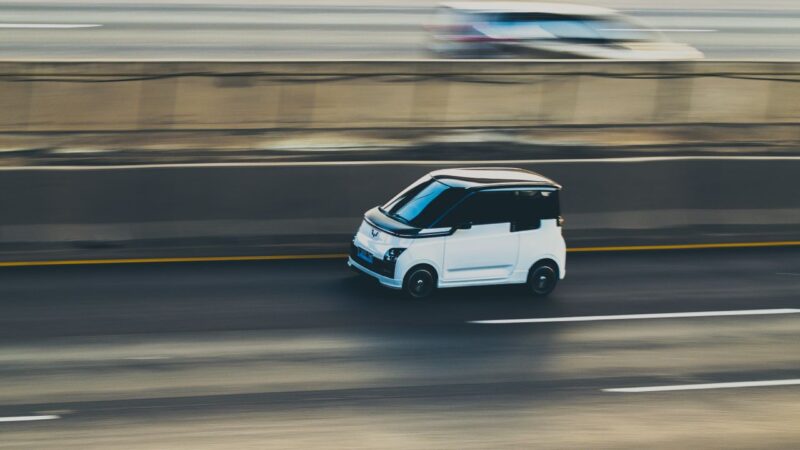
The electric car tax credit has been an important incentive for Americans considering an electric vehicle. Federal tax credits previously helped reduce the cost of buying new and used electric cars, making EV ownership more affordable for eligible buyers. However, federal clean vehicle tax-credit rules changed significantly in 2025.
As of 2026, consumers should be particularly careful when researching older information about the federal EV tax credit. The Internal Revenue Service states that the federal New Clean Vehicle Credit and Previously-Owned Clean Vehicle Credit are not available for vehicles acquired after September 30, 2025.
Understanding the previous rules and the current situation can help you determine whether a vehicle purchase may qualify for any remaining federal or local incentives.
What Was the Federal Electric Car Tax Credit?
The federal New Clean Vehicle Credit was designed to encourage consumers to purchase qualifying clean vehicles. Under the rules that applied before the September 2025 termination date, eligible buyers could receive a credit of up to $7,500 for qualifying new clean vehicles.
The Previously-Owned Clean Vehicle Credit also provided an incentive for eligible consumers purchasing certain used electric vehicles. The credit could equal 30% of the purchase price, up to $4,000, when applicable requirements were met.
These credits were subject to requirements involving the vehicle, buyer income, vehicle price, battery specifications, and other eligibility conditions.
Is the Federal EV Tax Credit Still Available in 2026?
For most new personal EV purchases made in 2026, the former federal clean vehicle tax credit is no longer available.
The IRS states that the New Clean Vehicle Credit, Previously-Owned Clean Vehicle Credit, and Qualified Commercial Clean Vehicle Credit are unavailable for vehicles acquired after September 30, 2025. A vehicle acquired on or before that date may still qualify if the applicable requirements are satisfied and the vehicle is placed in service according to the rules.
This means consumers should not assume that purchasing an electric vehicle in 2026 automatically provides a federal tax credit simply because a dealership advertisement or older website mentions a $7,500 incentive.
Who Qualified Under the Previous New EV Credit?
Under the previous federal rules, eligibility depended on both the vehicle and the buyer.
For new clean vehicles, income limits applied. The modified adjusted gross income thresholds were $300,000 for married couples filing jointly, $225,000 for heads of household, and $150,000 for other taxpayers. The IRS allowed taxpayers to use either the year the vehicle was placed in service or the preceding year’s modified AGI when applying the income limitation.
There were also manufacturer suggested retail price limits. The applicable limits were $80,000 for vans, SUVs, and pickup trucks and $55,000 for other vehicles.
These requirements illustrate why simply buying an electric vehicle was never enough to guarantee a federal tax credit.
How the EV Credit Could Be Received
For eligible vehicles placed in service after 2023, qualifying buyers could generally choose between claiming the credit on their federal tax return or transferring the credit to an eligible dealer at the time of purchase.
When transferred, the credit could provide an immediate financial benefit rather than requiring the buyer to wait until filing a tax return. The IRS required dealers to submit information through its Energy Credits Online system and provide buyers with a time-of-sale report.
Eligible buyers still had to report the transaction on their federal tax return using the required forms.
Also Read: Safe Investments with high returns
What About Used Electric Cars?
The federal Previously-Owned Clean Vehicle Credit was designed to make qualifying used EVs more affordable.
Under the previous rules, a qualifying used EV purchased from a licensed dealer for $25,000 or less could qualify for a credit equal to 30% of the sale price, with a maximum of $4,000. Income restrictions and other requirements also applied.
However, the IRS now states that this federal credit is unavailable for vehicles acquired after September 30, 2025. Consumers purchasing a used EV in 2026 should therefore investigate state, local, utility, or other available incentives instead of assuming the former federal credit applies.
Are EV Charging Tax Credits Available?
Although the vehicle purchase credits ended for later acquisitions, electric vehicle charging incentives have had separate rules.
The IRS states that qualified electric vehicle charging and refueling property placed in service before July 1, 2026, may qualify for the Alternative Fuel Vehicle Refueling Property Tax Credit. Eligibility depends on the property, location, and other requirements.
This can be relevant to homeowners and businesses installing qualifying EV charging equipment.
Because charging-credit rules can depend on the installation date and location of the property, consumers should verify the current IRS requirements before assuming an installation qualifies.
Check State and Local EV Incentives
Federal incentives are only one part of the potential savings available to EV buyers.
Some states, cities, utilities, and local organizations may offer rebates or other incentives for electric vehicles, charging equipment, or energy improvements. These programs can change frequently and may have their own income, vehicle, residency, and purchase requirements.
Before buying an EV, research incentives available in your state and through your electricity provider. Some programs may be available even when a federal vehicle tax credit is not.
What Documents Should You Keep?
If you purchased a vehicle that may qualify under the previous federal rules, keep documentation related to the transaction.
Important records can include the purchase agreement, vehicle identification number, sales documents, proof of payment, dealer documentation, and the IRS time-of-sale report when applicable.
The IRS explains that the time-of-sale report provides information about the vehicle’s eligibility and credit amount and confirms that the dealer submitted the required information.
Keeping these records can make it easier to support your tax return if questions arise.
How to Save Money When Buying an EV in 2026
If you are buying an electric car in 2026, do not base your budget on an outdated federal $7,500 credit.
Instead, compare the total purchase price, financing costs, insurance, charging expenses, electricity rates, maintenance costs, and available state or utility incentives. Used EVs may also offer lower purchase prices than new models.
You can also compare the cost of installing a home charger with the expected savings from home charging. If you drive frequently, the ability to charge at home may make EV ownership more convenient and potentially reduce fueling expenses.
Final Thoughts
The electric car tax credit has changed substantially, and many older articles still describe federal incentives that no longer apply to vehicles acquired after September 30, 2025. According to the IRS, the federal New Clean Vehicle Credit and Previously-Owned Clean Vehicle Credit are no longer available for vehicles acquired after that date.
If you are considering an electric vehicle in 2026, research current state and local incentives, charging-related tax benefits, utility programs, and the overall cost of ownership. Always verify eligibility using current IRS and government information before including a tax credit in your purchase budget.
