




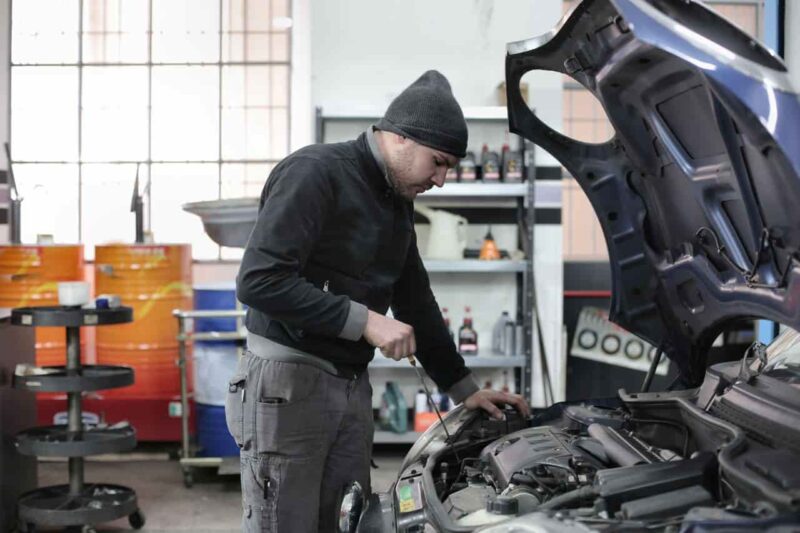
Expensive car repairs can put significant pressure on your budget, especially when the vehicle is essential for work, family responsibilities, or daily transportation. Major repairs such as engine replacement, transmission work, electrical repairs, or suspension replacement can cost thousands of dollars. If you do not have enough savings to cover the bill, financing may help you get the vehicle repaired without paying the entire amount immediately.
However, borrowing for car repairs can become expensive if you choose a high-interest option. Comparing financing choices and understanding the total repayment cost can help you make a better decision.
Get a Detailed Repair Estimate
Before financing an expensive repair, determine exactly how much the work will cost. Ask the mechanic for a written estimate that separates parts, labor, taxes, diagnostic charges, and other fees.
Consider getting estimates from several reputable repair shops. Dealerships may be appropriate for certain repairs, but independent mechanics can sometimes offer lower labor costs.
Ask which repairs are urgent and whether any work can safely be postponed. Understanding the repair priority can help you determine how much money you actually need to borrow.
Use Emergency Savings First
If you have emergency savings, consider whether using some of it is better than taking on expensive debt. Paying for a repair with cash eliminates interest charges and monthly loan payments.
However, avoid draining your entire emergency fund if doing so would leave you unable to handle another unexpected expense. You may choose to combine savings with financing to reduce the amount you need to borrow.
Consider a Personal Loan
A personal loan can be an option for financing major vehicle repairs. Depending on the lender, borrowers may receive a fixed amount and repay it through scheduled monthly payments.
Your interest rate will generally depend on factors such as your credit history, income, debt, and loan terms. Compare the annual percentage rate, origination fees, repayment period, and total repayment amount.
A longer loan term can reduce the monthly payment but may increase the total interest paid over time.
Ask About Auto Repair Financing
Some repair shops offer financing programs specifically for vehicle repairs. These programs may allow customers to spread the cost of a repair over several months or longer.
Before accepting an offer, read the financing terms carefully. Some promotions may offer deferred or reduced interest for a limited period, but conditions may apply.
Make sure you understand the required payment, promotional expiration date, interest rate, and consequences of missing payments.
Also Read: How to Negotiate Medical Bills
Use a Credit Card Carefully
A credit card can provide immediate access to funds if you have sufficient available credit. It may be practical for smaller repairs or when you can pay the balance quickly.
For expensive repairs, however, high credit card interest can make the repair substantially more expensive. If you are considering this option, calculate how long it will take to repay the balance and how much interest you could accumulate.
A promotional balance-transfer or introductory-rate offer may reduce interest in some circumstances, but always check the terms and expiration date.
Check With a Credit Union
Credit unions may offer personal loans or other financing options for members. Depending on your financial profile, a credit union could provide competitive terms compared with some other lenders.
Ask about minimum and maximum loan amounts, interest rates, fees, required documentation, and repayment periods. Comparing several offers can help you identify the most affordable option.
Consider Borrowing From Family
If you have a trusted family member who is willing to help, a private loan may allow you to finance the repair without traditional lending costs.
Clearly establish the repayment amount and schedule before accepting money. Putting the agreement in writing can help prevent misunderstandings and protect the relationship.
Look for Manufacturer or Warranty Coverage
Before paying for an expensive repair yourself, check whether your vehicle is covered by a manufacturer’s warranty, extended warranty, service contract, recall, or other applicable protection.
Some repairs may qualify for partial or complete coverage depending on the vehicle, contract, mileage, age, and cause of the problem.
Review your documentation and contact the appropriate provider before authorizing major work.
Consider Insurance Coverage
Insurance does not generally cover ordinary mechanical breakdowns, but certain repairs may be connected to covered accidents or other insured events. Review your auto insurance policy if the damage resulted from a collision or another potentially covered incident.
Do not assume that mechanical failure is covered simply because you have comprehensive or collision insurance. Ask your insurer whether the specific situation qualifies.
Avoid High-Cost Financing
When you need a vehicle quickly, it can be tempting to accept the first financing offer available. Be cautious with payday loans, title loans, and other high-cost borrowing products.
A title loan may use your vehicle as collateral, creating a serious risk if you cannot repay the balance. Always compare the annual percentage rate, fees, repayment period, and consequences of missed payments.
The lowest monthly payment is not necessarily the cheapest option. Focus on the total amount you will pay.
Consider Whether the Repair Is Worth Financing
For extremely expensive repairs, compare the repair cost with the vehicle’s current value, age, mileage, and overall condition.
For example, financing a major engine repair on a well-maintained vehicle may make sense if replacing the car would cost considerably more. On an older vehicle with multiple problems, taking on significant debt may be less practical.
Ask your mechanic about the expected remaining life of the vehicle after the repair and whether other major components may soon require replacement.
Create a Repayment Strategy
Once you select a financing option, create a realistic repayment plan. Review your monthly income and expenses to determine how much you can comfortably afford.
Avoid borrowing more than necessary and consider making additional payments when possible if your loan allows them without penalties. Paying down high-interest debt faster can reduce the overall cost of financing.
Financing expensive car repairs requires careful planning. Start with a detailed repair estimate, investigate warranties and insurance, and compare savings, personal loans, credit unions, repair-shop financing, and credit cards. Pay close attention to interest rates, fees, loan terms, and total repayment costs. Most importantly, consider whether the vehicle is worth repairing before taking on substantial debt. A thoughtful financing decision can help you get back on the road while keeping long-term financial costs under control.
