




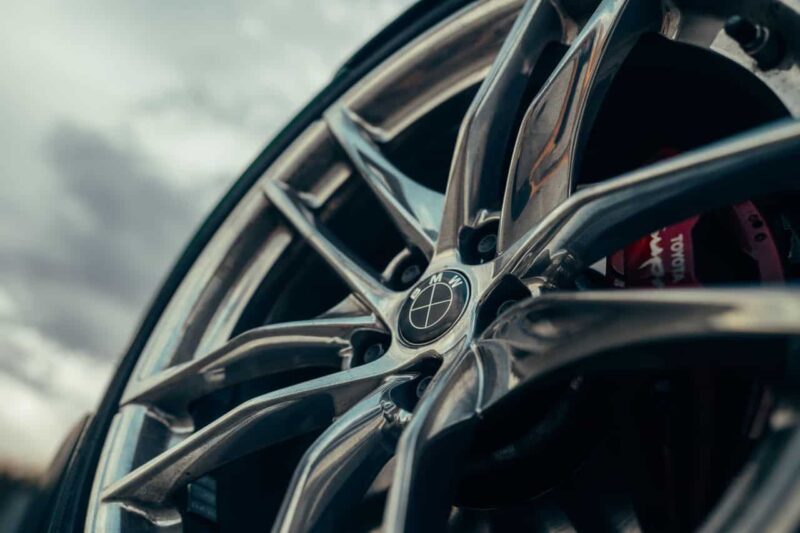
When upgrading your vehicle, choosing the right wheels is just as important as selecting the right tires. One of the most common questions among car enthusiasts and everyday drivers is forged vs cast wheels. While both options offer advantages over traditional steel wheels, they differ significantly in manufacturing, strength, weight, durability, performance, and price.
Understanding these differences will help you make an informed decision based on your driving habits, budget, and vehicle type. In this guide, we’ll compare forged and cast wheels to help you determine which option is best for your needs.
What Are Forged Wheels?
Forged wheels are manufactured by applying extreme heat and high pressure to a solid block of aluminum alloy. This process compresses the metal’s grain structure, creating an exceptionally strong and lightweight wheel.
Instead of pouring molten metal into a mold, forging reshapes a solid piece of aluminum into the desired wheel design. The result is a wheel with greater structural integrity and fewer internal imperfections.
Forged wheels are commonly used on luxury vehicles, high-performance sports cars, racing cars, and premium SUVs because of their outstanding strength-to-weight ratio.
What Are Cast Wheels?
Cast wheels are produced by pouring molten aluminum alloy into a mold where it cools and solidifies into the desired shape. This manufacturing process is faster and more affordable than forging, making cast wheels the most common choice for original equipment (OEM) and aftermarket applications.
Modern casting methods have improved significantly over the years, allowing manufacturers to produce durable and attractive wheels suitable for everyday driving.
While cast wheels are generally heavier than forged wheels, they still offer excellent performance for most drivers.
Forged vs Cast Wheels: Key Differences
Manufacturing Process
The primary difference lies in how each wheel is made.
Forged Wheels:
- Created from a solid aluminum billet
- Formed under extremely high pressure
- Stronger grain structure
- Minimal internal defects
Cast Wheels:
- Made by pouring molten aluminum into molds
- Faster production process
- More affordable manufacturing
- Greater design flexibility
The forging process requires specialized equipment and more production time, contributing to the higher cost of forged wheels.
Strength and Durability
When comparing forged vs cast wheels, strength is one of the biggest differences.
Forged wheels are significantly stronger because the forging process aligns and compresses the aluminum’s grain structure. This makes them more resistant to bending, cracking, and impact damage.
Cast wheels are durable enough for normal road use, but they may be more susceptible to damage from severe potholes, curbs, or harsh off-road conditions.
If maximum durability is your priority, forged wheels have a clear advantage.
Weight
Weight plays an important role in vehicle performance.
Forged wheels are considerably lighter than cast wheels while maintaining exceptional strength. Reduced wheel weight lowers unsprung mass, which improves:
- Steering response
- Acceleration
- Braking performance
- Suspension efficiency
- Cornering stability
Cast wheels are generally heavier because they require additional material to achieve comparable strength.
For performance-oriented drivers, lighter forged wheels can make a noticeable difference.
Also Read: Best Road Side Assistance Service
Performance
Forged wheels are the preferred choice for racing and high-performance applications because they offer superior handling and responsiveness.
Benefits include:
- Faster acceleration
- Improved braking
- Better cornering grip
- Enhanced ride quality
- Reduced rotational mass
Cast wheels also improve performance compared to steel wheels, but they do not offer the same level of responsiveness as forged wheels.
For everyday commuting, many drivers find cast wheels more than sufficient.
Cost Comparison
Price is often the deciding factor when choosing between forged and cast wheels.
Forged wheels require advanced manufacturing techniques and premium materials, making them considerably more expensive.
Cast wheels are much more affordable and provide excellent value for drivers seeking improved appearance and performance without a significant investment.
If you are working within a budget, cast wheels are usually the more practical option.
Appearance and Design Options
Both forged and cast wheels are available in a wide range of styles and finishes.
Popular finishes include:
- Gloss Black
- Matte Black
- Hyper Silver
- Gunmetal Gray
- Bronze
- Chrome
- Machined Face
Cast wheels typically offer a larger selection of designs because the casting process allows manufacturers to produce complex shapes more easily.
Forged wheels often emphasize premium craftsmanship and custom finishes, making them popular among luxury and performance vehicle owners.
Which Wheels Are Better for Daily Driving?
For most daily drivers, cast wheels offer an excellent balance of affordability, durability, and style. They perform well under normal driving conditions and are available in numerous sizes and designs.
Forged wheels are an excellent choice if you:
- Drive a high-performance vehicle
- Frequently participate in track events
- Want the lightest possible wheels
- Prioritize maximum durability
- Plan to keep your vehicle for many years
For standard commuting and family vehicles, cast wheels often provide all the performance most drivers need.
Maintenance Tips
Whether you choose forged or cast wheels, proper maintenance is essential.
Follow these best practices:
- Clean wheels regularly using pH-neutral cleaners.
- Remove brake dust before it accumulates.
- Inspect wheels for cracks or bends.
- Avoid harsh chemical cleaners.
- Check wheel balance and alignment periodically.
- Maintain proper tire pressure.
- Repair curb damage promptly to prevent corrosion.
Routine care helps extend the life of both forged and cast wheels.
Pros and Cons
Forged Wheels
Pros:
- Extremely strong
- Lightweight
- Better handling
- Improved braking performance
- Long lifespan
- Ideal for performance vehicles
Cons:
- Higher purchase price
- Fewer budget-friendly options
- More expensive to replace
Cast Wheels
Pros:
- More affordable
- Wide variety of styles
- Excellent for daily driving
- Easy to find
- Good overall durability
Cons:
- Heavier than forged wheels
- Less resistant to severe impacts
- Slightly lower performance potential
Final Thoughts
When comparing forged vs cast wheels, there is no single solution that fits every driver. Forged wheels deliver unmatched strength, lightweight performance, and durability, making them the preferred choice for racing, luxury vehicles, and serious driving enthusiasts. However, their premium performance comes with a higher price tag.
Cast wheels, on the other hand, provide excellent value, attractive designs, and reliable performance for everyday driving. They are more affordable, widely available, and suitable for most passenger cars, SUVs, and trucks.
Ultimately, the best choice depends on your driving style, performance expectations, and budget. By understanding the differences between forged and cast wheels, you can confidently choose the option that best complements your vehicle and delivers the performance, appearance, and reliability you expect.
