




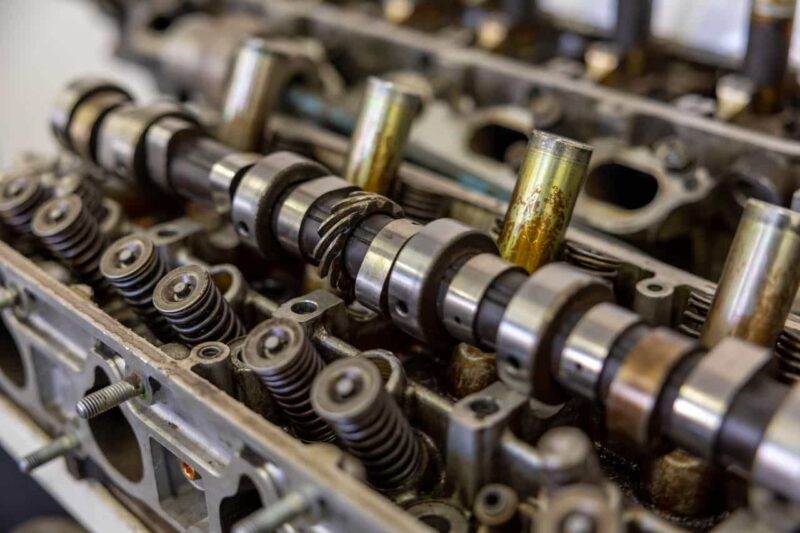
A seized engine is one of the most serious mechanical problems a vehicle can experience. When an engine seizes, its internal components stop moving because of excessive heat, lack of lubrication, or severe mechanical damage. In many cases, the engine can no longer crank or start, leaving the vehicle completely inoperable. Since repairing a seized engine often requires extensive labor and replacement parts, many drivers wonder whether the repair is worth the cost.
Understanding the causes of engine seizure, recognizing the warning signs, and knowing the available repair options can help you make an informed decision and potentially save thousands of dollars.
What Is a Seized Engine?
A seized engine occurs when one or more internal engine components become locked together, preventing the crankshaft from rotating. This usually happens when metal parts generate excessive friction due to insufficient lubrication or extreme overheating.
The pistons, crankshaft, connecting rods, bearings, or cylinder walls may become damaged, causing the engine to stop functioning entirely.
Some engines seize suddenly, while others show warning signs before complete failure occurs.
Common Causes of Engine Seizure
Several mechanical problems can lead to a seized engine.
Lack of Engine Oil
Low or contaminated engine oil is one of the leading causes of engine seizure.
Without adequate lubrication, internal components rub directly against one another, generating excessive heat and friction.
Eventually, bearings and pistons can weld themselves together, locking the engine.
Engine Overheating
Severe overheating can cause metal engine components to expand beyond their normal tolerances.
This expansion may cause pistons to stick inside the cylinders or warp critical engine parts, resulting in seizure.
Cooling system failures are a common source of overheating.
Hydrolock
Hydrolock occurs when water enters the engine’s combustion chambers.
Because water cannot be compressed like air, the pistons may stop moving suddenly, bending connecting rods or damaging the crankshaft.
Flooded roads are a common cause of hydrolock.
Rust and Long-Term Storage
Vehicles left unused for extended periods may develop rust inside the cylinders.
Corrosion can prevent pistons from moving freely, especially in older vehicles or collector cars.
Mechanical Failure
Broken connecting rods, damaged bearings, failed timing components, or other catastrophic internal failures can also cause an engine to seize.
Ignoring unusual engine noises often increases the risk of severe damage.
Signs of a Seized Engine
Recognizing the warning signs may help reduce additional damage.
Common symptoms include:
- Engine will not crank
- Loud knocking before failure
- Burning smell
- Engine overheating
- Low oil pressure warning light
- Complete loss of engine power
- Metallic grinding noises
- Smoke from the engine compartment
If your vehicle displays several of these symptoms, avoid attempting to repeatedly start the engine.
Also Read: Online Saving Accounts – Guide
Seized Engine Repair Cost
The cost of repairing a seized engine depends on the extent of internal damage and whether the engine can be rebuilt.
Average repair costs in 2026 include:
- Engine inspection and diagnosis: $100–$300
- Minor internal repairs: $500–$2,000
- Engine rebuild: $2,500–$6,500
- Used engine replacement: $2,000–$5,500
- Remanufactured engine installation: $4,000–$8,500
- New engine replacement: $5,000–$12,000 or more
Luxury vehicles, diesel engines, and high-performance models generally have higher repair costs due to specialized parts and increased labor.
Can a Seized Engine Be Repaired?
In some cases, yes.
If the engine seized because of long-term storage or light corrosion, technicians may be able to free the internal components without replacing the entire engine.
However, engines that seize because of overheating or oil starvation usually suffer extensive internal damage.
These engines often require either:
- Complete engine rebuild
- Engine replacement
- Installation of a remanufactured engine
A professional inspection is necessary to determine the most cost-effective solution.
Is It Better to Repair or Replace a Seized Engine?
The answer depends on several factors.
Repairing the engine may be worthwhile if:
- The vehicle is in excellent condition.
- Engine damage is limited.
- Replacement parts are readily available.
- The repair cost is lower than the vehicle’s value.
Replacing the engine is often the better option if:
- Internal damage is extensive.
- Multiple engine components have failed.
- The repair cost approaches the value of the vehicle.
- A quality remanufactured engine is available.
Comparing repair estimates with the vehicle’s market value helps determine the best financial decision.
How Mechanics Diagnose a Seized Engine
Technicians perform several tests before recommending repairs.
The diagnostic process may include:
- Checking engine oil level and condition
- Attempting to rotate the crankshaft manually
- Performing a compression test if possible
- Inspecting the cooling system
- Removing spark plugs
- Using a borescope to inspect cylinders
- Scanning for diagnostic trouble codes
- Inspecting internal engine damage after disassembly
Accurate diagnosis prevents unnecessary repairs and identifies whether rebuilding is feasible.
How to Prevent Engine Seizure
Routine maintenance is the best defense against catastrophic engine failure.
Helpful preventive measures include:
- Change engine oil on schedule.
- Check oil levels regularly.
- Monitor engine temperature.
- Repair coolant leaks immediately.
- Replace worn timing components.
- Avoid driving with low oil pressure.
- Service the cooling system regularly.
- Investigate unusual engine noises promptly.
Preventive maintenance costs far less than replacing an engine.
Frequently Asked Questions
Can you fix a seized engine without replacing it?
Sometimes. Engines seized due to rust or minor internal sticking may be repairable, but engines with severe internal damage usually require rebuilding or replacement.
Is a seized engine covered by insurance?
Comprehensive insurance may cover engine damage caused by flooding or other covered events, but mechanical failure from poor maintenance is generally not covered.
How long does it take to repair a seized engine?
Minor repairs may take a few days, while engine rebuilding or replacement typically requires one to two weeks depending on parts availability and the complexity of the repair.
Conclusion
A seized engine is one of the most expensive automotive problems, with repair costs ranging from $500 for minor repairs to more than $12,000 for complete engine replacement. Common causes include low engine oil, overheating, hydrolock, rust, and catastrophic mechanical failure. Warning signs such as knocking noises, overheating, low oil pressure, and an engine that will not crank should never be ignored. Regular oil changes, cooling system maintenance, and prompt attention to engine warning signs can significantly reduce the risk of engine seizure. If your engine becomes seized, obtaining a professional diagnosis will help determine whether repairing, rebuilding, or replacing the engine is the most practical and cost-effective solution.
