




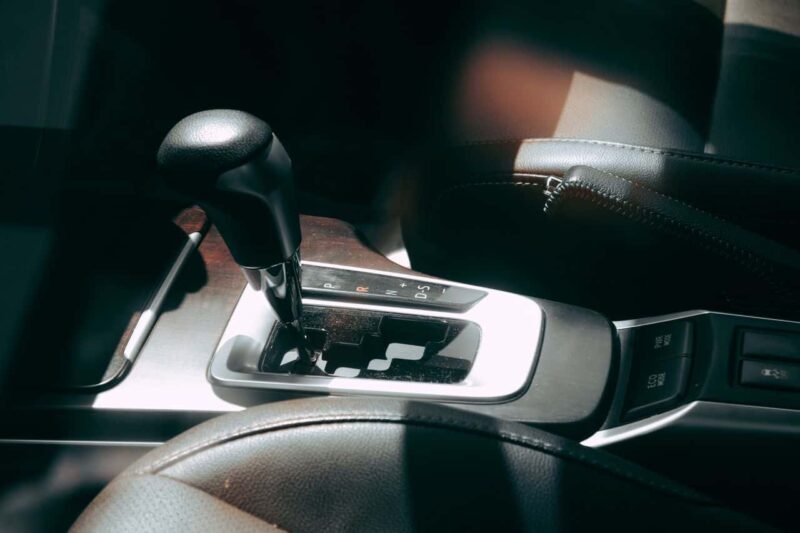
Your vehicle’s transmission is one of its most important and expensive components. Keeping the transmission fluid at the proper level and in good condition helps ensure smooth gear changes, prevents overheating, and extends the life of the transmission. Fortunately, learning how to check transmission fluid is a simple maintenance task that can help you detect potential problems before they become costly repairs.
This guide explains when to check your transmission fluid, the tools you’ll need, and the correct procedure for both automatic and manual transmissions.
Why Transmission Fluid Is Important
Transmission fluid lubricates moving parts, cools the transmission, reduces friction, and helps transfer hydraulic pressure needed for smooth shifting. Low or contaminated fluid can cause poor performance, overheating, and even transmission failure.
Regularly checking the transmission fluid allows you to identify leaks, contamination, or low fluid levels before serious damage occurs.
Signs Your Transmission Fluid Needs Attention
Before checking the fluid, be aware of common warning signs that may indicate transmission problems:
- Delayed or rough gear shifting
- Grinding or slipping gears
- Burning smell while driving
- Transmission warning light
- Unusual whining or humming noises
- Fluid leaking beneath the vehicle
- Poor acceleration or hesitation
If you notice one or more of these symptoms, inspect the transmission fluid as soon as possible.
Tools You Will Need
Most vehicles require very few tools:
- Clean lint-free cloth or paper towel
- Protective gloves
- Vehicle owner’s manual
- Flashlight (optional)
- Funnel if adding fluid
Always consult your owner’s manual for the correct transmission fluid type and checking procedure because manufacturers may have different recommendations.
Also Read: Managed Security Service Provider – Ulitmate Guide
Safety Precautions
Before checking the transmission fluid, park your vehicle on a level surface and engage the parking brake.
Keep loose clothing away from moving engine parts.
Be cautious when working around a warm engine because engine components may be hot.
Never check the transmission while the vehicle is in motion.
Step 1: Warm Up the Engine
Most automatic transmissions should be checked while the transmission fluid is warm.
Start the engine and allow it to reach normal operating temperature. Drive the vehicle for about 10 to 15 minutes if necessary.
Warm fluid provides a more accurate level reading than cold fluid.
Step 2: Park the Vehicle Properly
Park on a flat surface to ensure an accurate measurement.
Keep the engine running if your owner’s manual instructs you to do so. Most automatic transmissions require the engine to remain running while checking the fluid.
Place the transmission in Park and engage the parking brake.
Step 3: Locate the Transmission Dipstick
Open the hood and locate the transmission dipstick.
It usually has a brightly colored handle, often red, yellow, or orange, making it easy to identify.
Some modern vehicles do not include a transmission dipstick. Instead, they use a sealed transmission that requires special equipment or a service technician to check the fluid level.
Consult your owner’s manual if you cannot locate the dipstick.
Step 4: Check the Fluid Level
Remove the dipstick carefully.
Wipe it clean using a lint-free cloth.
Reinsert the dipstick fully into the tube.
Pull it out again and observe the fluid level.
The fluid should fall between the “Full” and “Low” or “Min” and “Max” marks.
If the level is below the recommended range, additional transmission fluid may be required.
Step 5: Inspect the Fluid Condition
Checking the fluid level is only part of the inspection.
Healthy transmission fluid should be:
- Bright red or pink in color
- Clear and clean
- Free of metal particles
- Smooth in consistency
If the fluid appears dark brown, black, cloudy, or contains debris, it may need replacement.
A burnt odor is another indication that the transmission fluid has deteriorated and should be serviced promptly.
Step 6: Add Transmission Fluid if Necessary
If the fluid level is slightly low, use the transmission fluid specified by your vehicle manufacturer.
Insert a funnel into the dipstick tube.
Add a small amount of fluid at a time.
Wait a few moments before checking the level again.
Avoid overfilling because excessive fluid can create pressure inside the transmission and lead to shifting problems or leaks.
Checking Manual Transmission Fluid
Manual transmissions usually do not have a dipstick.
Instead, they use a fill plug located on the side of the transmission housing.
The fluid level should be even with the bottom of the fill hole.
Because accessing the fill plug often requires lifting the vehicle safely, many owners prefer having manual transmission fluid inspected during routine maintenance.
How Often Should You Check Transmission Fluid?
Many manufacturers recommend checking transmission fluid once a month or during every oil change.
However, always follow your owner’s manual because maintenance schedules vary by vehicle.
Drivers who frequently tow heavy loads, drive in hot climates, or experience stop-and-go traffic may need more frequent inspections.
Common Mistakes to Avoid
Avoid these common errors when checking transmission fluid:
- Checking the fluid on uneven ground
- Using the wrong transmission fluid type
- Overfilling the transmission
- Ignoring dark or burnt-smelling fluid
- Forgetting to warm the transmission before checking when required
- Mixing different fluid specifications
Proper maintenance helps prevent expensive transmission repairs.
Conclusion
Learning how to check transmission fluid is an important part of routine vehicle maintenance. A simple inspection takes only a few minutes and can help detect low fluid levels, leaks, or contamination before they lead to major transmission problems.
By checking the fluid regularly, using the correct transmission fluid, and following your vehicle manufacturer’s maintenance schedule, you can improve shifting performance, extend transmission life, and reduce the risk of costly repairs. Regular attention to your transmission is one of the easiest ways to keep your vehicle running reliably for years to come.
